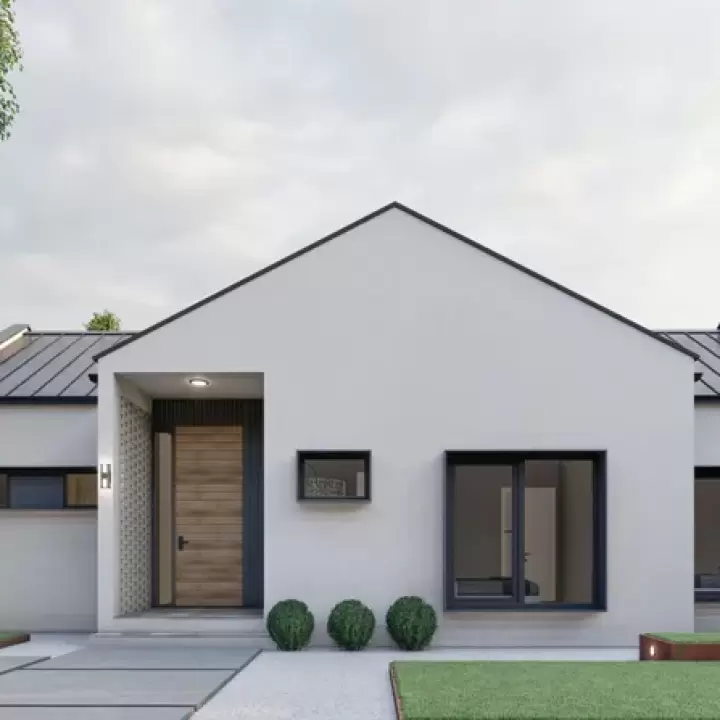
Soft House Plans A Frame Home Plans Sizes, Codes & Tips
Soft House Plans: A Frame Home Plans Sizes, Codes & Tips
Choosing the right a frame home plans is more than picking a beautiful shape—it’s about finding the correct size, understanding local building codes, and applying smart design tips that make your home comfortable, legal, and future-proof. Whether you’re planning a compact getaway or a full-time residence, this guide breaks down A-frame sizes, code essentials, and expert planning strategies so you can move forward with confidence.
Why Size and Codes Matter in A-Frame Design
A-frame homes rely on their triangular structure for both strength and space. That means every square foot counts, and every code requirement affects your layout, framing, and budget.
Soft House Plans focuses on designs that balance:
- Livable interior space
- Structural efficiency
- Energy performance
- Local code compliance
When these factors work together, your project becomes easier to approve, build, and enjoy long-term.
Common A Frame Home Sizes Explained
A-frames can be surprisingly flexible. From tiny retreats to multi-bedroom family homes, a frame plans scale well across different lifestyles and lot sizes.
1. Tiny A-Frame Homes (300–600 sq ft)
Perfect for minimalists, short-term rentals, or backyard builds.
Best for:
- Vacation cabins
- Guest houses
- Remote sites
Often paired with a frame tiny house layouts and loft sleeping areas.
2. Small to Medium A-Frames (600–1,200 sq ft)
A popular choice for year-round living with one or two bedrooms.
Features typically include:
- Open-plan living area
- Full kitchen and bathroom
- Loft or second bedroom
This size works well with a frame home design plans focused on energy efficiency and smart storage.
3. Large A-Frame Homes (1,200+ sq ft)
Designed for families or luxury retreats.
Common upgrades:
- Multiple bedrooms and bathrooms
- Large decks and terraces
- High-end insulation and glazing
These often require more advanced a frame house framing strategies and engineered beams.
Understanding Building Codes for A-Frames
Every location has its own rules, but most codes focus on safety, structure, and energy use.
Key Code Areas to Check
- Minimum room sizes and ceiling heights
- Foundation requirements
- Snow and wind load ratings
- Fire safety and egress windows
- Energy efficiency standards
Why This Matters
A-frame roofs act as walls, so insulation depth, window placement, and framing spacing must meet local standards. Skipping this step can lead to failed inspections and costly redesigns.
Zoning and Lot Size Considerations
Before finalizing your a frame home design, confirm:
- Setback requirements
- Maximum building height
- Total lot coverage limits
- Access and driveway rules
Real-World Tip
Some small lots allow taller structures but limit footprint size—making A-frames a smart solution because they build upward instead of outward.
Framing Tips That Meet Code and Save Money
Structural Best Practices
- Use engineered beams for long spans
- Follow 16” or 24” rafter spacing standards
- Reinforce all window and door openings
Energy and Safety Focus
- Add continuous insulation along rafters
- Use metal anchors at foundation connections
- Include proper ventilation channels
Soft House Plans often integrates these details directly into a frame home design plans to simplify the permit process.
A Frame Home Plans vs A Frame Home Kits
Feature | A Frame Home Plans | A Frame Home Kit |
Code Adaptability | High | Medium |
Custom Sizes | Flexible | Limited |
Build Speed | Moderate | Fast |
Framing Control | Full | Pre-set |
Budget Predictability | Medium | High |
A frame cabin kits and a frame kit cabin options can simplify construction, but custom plans often make it easier to adapt to strict local codes.
Design Tips for Maximum Livability
1. Use Vertical Space
Lofts and mezzanines increase usable square footage without expanding the footprint.
2. Plan Window Placement Carefully
Large gable windows improve natural light but must meet egress and energy standards.
3. Think About Storage Early
Built-in storage under stairs and in loft walls improves daily comfort.
4. Match Size to Lifestyle
Bigger isn’t always better—smart layouts in smaller homes can feel more open and efficient.
Common Mistakes to Avoid
- Ignoring local snow and wind load rules
- Choosing plans that exceed lot coverage limits
- Undersizing insulation depth
- Skipping professional structural review
- Forgetting permit and inspection fees
These errors can delay your build and increase costs.
A-Frame Planning Checklist
✔ Confirm zoning and setbacks
✔ Choose the right size category
✔ Review energy code requirements
✔ Select framing and insulation specs
✔ Decide between plans or an a frame home kit
✔ Prepare permit documents
✔ Budget for inspections and upgrades
Practical Size Scenarios
Scenario 1: Small Lot Build
A homeowner chooses a 700 sq ft a frame tiny house layout. The vertical design meets height allowances while staying within footprint limits.
Scenario 2: Family Retreat
A 1,500 sq ft A-frame uses engineered beams and advanced insulation to meet snow load and energy code requirements in a cold climate.
Soft House Plans Expert Insight
The most successful A-frame projects use a hybrid approach: start with flexible a frame plans, then integrate pre-cut framing or modular elements for faster builds and smoother code approvals.
Final Thoughts
Choosing the right a frame home plans size and understanding local codes can turn a complex process into a smooth, rewarding experience. From tiny cabins to spacious family homes, A-frames offer unmatched flexibility when designed with structure, energy, and compliance in mind.
Soft House Plans provides layouts and guidance that help builders move from concept to construction with clarity and confidence.
FAQ
1. What is the most popular A-frame size?
Many homeowners choose 600–1,200 sq ft for a balance of comfort and affordability.
2. Do A-frames meet modern building codes?
Yes, when designed with proper framing, insulation, and load calculations.
3. Can I build an A-frame on a small lot?
Often yes—A-frames build vertically, making them ideal for footprint-limited sites.
4. Are A-frame kits code-compliant?
Most are, but always verify with local authorities before building.
5. How tall can an A-frame be?
Height limits depend on zoning rules, which vary by location.
6. Do I need an architect or engineer?
For larger builds or strict code areas, professional review is highly recommended.