How to Choose the Perfect Cabin House Plan for Forest Living
Why a Thoughtful Cabin Plan Matters in the Forest
A forest setting presents unique opportunities and challenges. You want a home that blends with the environment, withstands seasonal weather changes, and maximizes natural light. Choosing a well-thought-out small house plan or compact house plan can make all the difference.
Some key benefits of selecting the right plan include:
Integration with nature: Large windows and decks let you enjoy scenic views.
Energy efficiency: Proper insulation and roof design can reduce heating and cooling costs.
Ease of construction:Ready to build house plans simplify the building process, especially for DIY enthusiasts.
Versatility: From vacation cabin house plans to full-time residences, you can tailor the design to your needs.
Styles to Consider for Forest Living
Choosing a style is the first step in narrowing down your options. Here are some popular cabin styles suitable for wooded environments:
Classic Log Cabin
Log cabin plans are iconic for forest living. Their natural timber exteriors blend seamlessly with trees and landscapes.
Features: Exposed logs, vaulted ceilings, loft bedrooms, open-plan living
Square footage: 500–800 sq. ft.
DIY potential: Kits and ready to build house plans simplify assembly
Log cabins provide a rustic, cozy aesthetic while remaining functional for small house plans and weekend retreats.
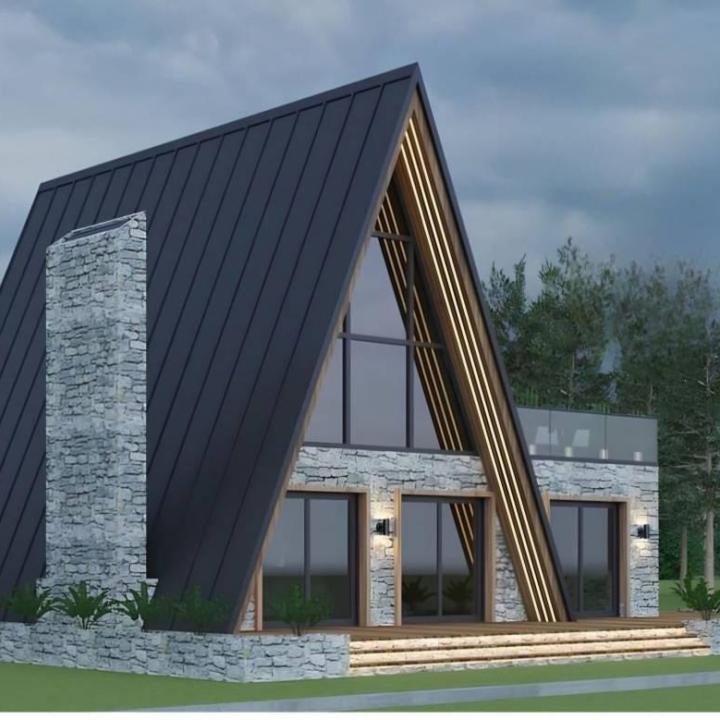
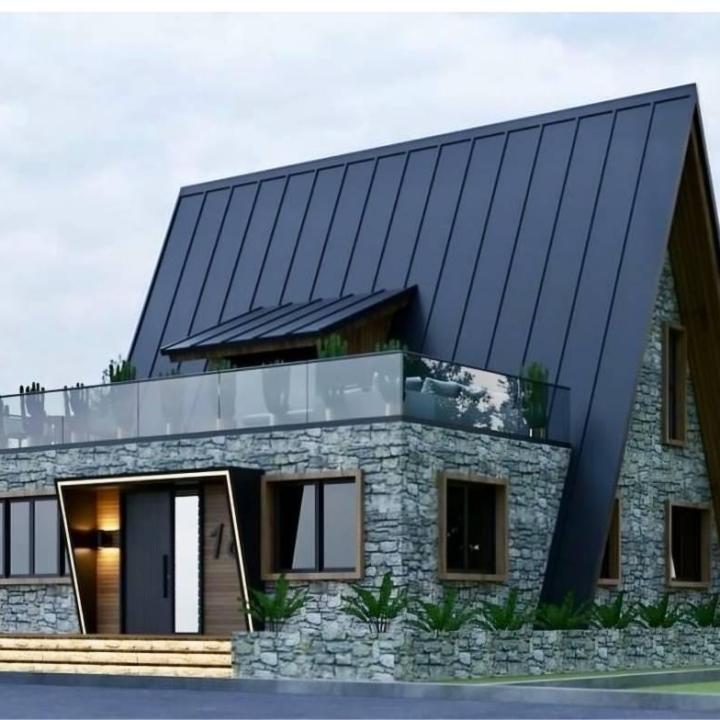
A-Frame Cabin
A-frame house plans are ideal for snowy or heavily wooded areas thanks to their steep roofline that naturally sheds snow and rain.
Features: Lofted bedrooms, open living area, large front-facing windows
Square footage: 400–650 sq. ft.
Benefits: Easy construction, dramatic visual appeal, vaulted ceilings for spacious feel
A-frame cabins are perfect for DIY house building, especially for first-time builders seeking a striking yet practical home.
Tiny Cabin Retreat
For those seeking simplicity, tiny house plans provide a minimalistic yet functional forest escape.
Features: Lofted sleeping area, compact kitchen, efficient storage solutions
Square footage: 300–450 sq. ft.
Ideal use: Seasonal retreats or vacation cabin house plans
These cozy house plans maximize every square foot and are easier to maintain in remote forest locations.
Modern Cabin
Modern house plans combine clean lines, large windows, and open interiors. They work beautifully in wooded lots, blending contemporary design with natural surroundings.
Features: Open-concept layout, integrated storage, flat or low-pitched roof
Square footage: 450–700 sq. ft.
DIY considerations: Simple wall layouts and modular furniture make them approachable for DIY house building
Modern cabins offer a sleek alternative to rustic aesthetics while still embracing forest views.
Key Features to Prioritize
When evaluating cabin house plans for forest living, focus on features that enhance comfort, durability, and practicality:
Open Floor Plans
Combine kitchen, dining, and living areas
Maximize natural light
Works well with compact house plans
Lofted Spaces
Sleeping lofts free up the main floor
Use stairs with built-in storage to maximize space
Ideal for house plans with loft
Outdoor Connectivity
Porches, decks, or patios increase usable living space
Large windows provide forest views
Helps connect indoor and outdoor living
Weather-Ready Construction
Steep roofs in snowy areas
Durable siding for rain and wind
Proper insulation to maintain comfort year-round
Practical Tips for DIY Builders
Building your forest cabin yourself can save money and allow you to customize your space. Here’s how to get started:
Start with Ready-to-Build Plans: Look for detailed layouts and material lists.
Choose a Suitable Foundation: Sloped or uneven forest terrain may require piers or reinforced foundations.
Prioritize Energy Efficiency: Proper insulation, windows, and doors are critical for seasonal comfort.
Maximize Storage: Use lofts, built-in shelves, and under-stair storage to keep the cabin organized.
Select Durable Materials: Timber, stone, and composite materials hold up well in forest climates.
Check Local Regulations: Ensure your plan meets zoning, building codes, and environmental restrictions.