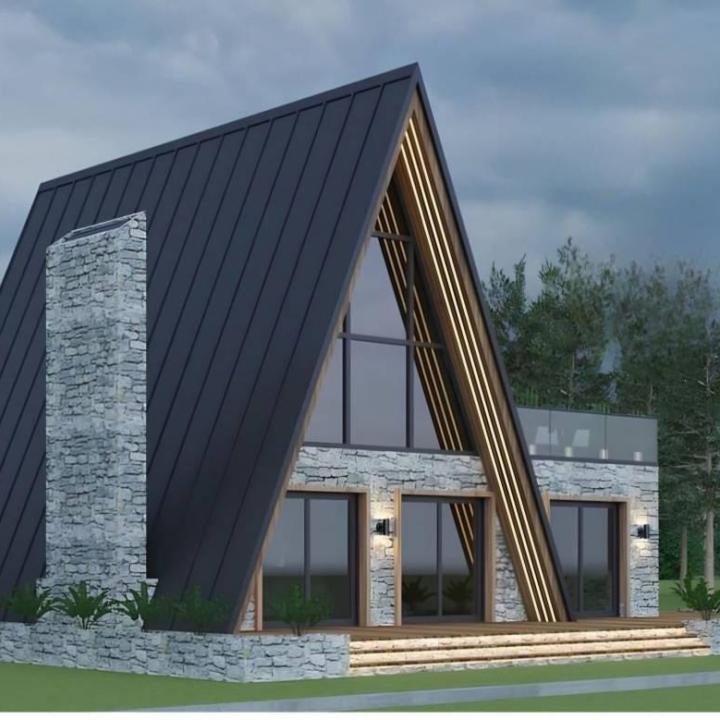
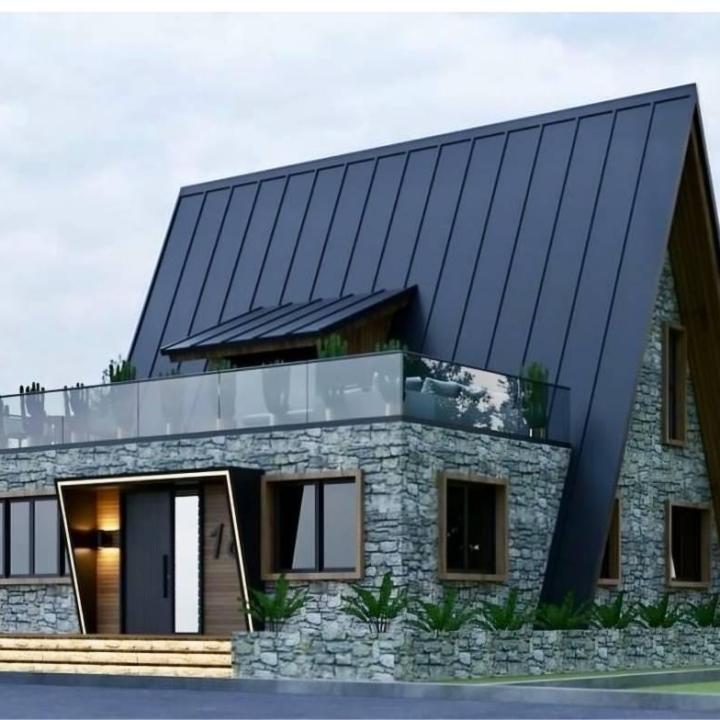
The Ultimate Guide to Choosing the Right A-Frame Design
Why A-Frame Designs Are More Popular Than Ever
A-frame homes are more than just stylish—they're practical, affordable, and highly adaptable. Many homeowners choose them because they offer the warm charm of cabin house plans but with the clean geometry of modern house plans. Their sloped roofs shed snow easily, their compact design works well on small lots, and their simple structure helps reduce construction costs.
Better yet, A-frame designs are incredibly flexible. You can choose a minimalist tiny design, a spacious multi-bedroom family retreat, or even a luxury mountain getaway.
How to Choose the Perfect A-Frame Design
Below are the key factors every U.S. homeowner, DIY builder, and first-time planner should consider before committing to a specific blueprint.
1. Determine the Purpose of Your A-Frame Home
Before you browse floor plans, decide how the home will be used. This will influence everything from square footage to layout.
A. Vacation Home or Weekend Retreat
If you want something peaceful for getaways, look at:
vacation cabin house plans
cozy house plans
small house plans
A-frames between 400–900 sq ft
These designs emphasize comfort, scenic views, and affordable construction.
B. Full-Time Residence
For full-time living, choose:
Larger A-frame layouts (900–1,500+ sq ft)
Designs with full kitchens
More storage and larger bedrooms
house plans with loft for extra space
C. Airbnb or Short-Term Rental
Choose designs with:
Striking window walls
Loft bedrooms
Outdoor decks
Efficient layouts
High visual appeal
A-frame rentals are extremely popular thanks to their unique shape and Instagram-friendly architecture.
2. Decide on Your Ideal Square Footage
A-frame homes come in a wide range of sizes. Your ideal square footage depends on your lifestyle, budget, and land.
A. Tiny A-Frames (300–500 sq ft)
Perfect for:
Minimalists
Solo travelers
Affordable getaway cabins
DIY builders
These often qualify as tiny house plans and are the cheapest to build.
B. Compact A-Frames (600–900 sq ft)
A great middle ground for:
Small families
Couples
Part-time living
Travel rentals
These fall under compact house plans and offer enough room without overwhelming the lot.
C. Full-Size A-Frames (1000–1500+ sq ft)
Best for:
Full-time living
Multi-bedroom layouts
Families needing more storage
Larger kitchen + living area
These resemble more traditional modern house plans while keeping classic A-frame charm.
3. Evaluate Your Land and Landscape
Your property determines which A-frame design will work best. Because of their steep roof angle, A-frames are versatile and can handle most terrains, but choosing the right match enhances the final result.
A. Mountain or Snow-Heavy Regions
Choose:
Steeper roof pitch
Reinforced framing
Elevated decks
Many mountain cabin plans are designed specifically for these climates.
B. Forest or Wooded Lots
Ideal features:
Fire-resistant siding
Large front windows
Wraparound porches
These areas pair beautifully with cozy or rustic log cabin plans.
C. Lakeside or Riverfront Properties
Look for:
A-frame designs with large glass walls
Decks for outdoor living
Maximized window placement
Waterfront A-frames are some of the most visually appealing vacation homes in the U.S.
4. Choose the Right Roof Pitch and Structural Style
Not all A-frame homes have the same roof steepness or floor plan structure. Small changes here can make a huge difference in space, comfort, and cost.
A. Steep A-Frame (Sharp Triangle Shape)
Pros:
Great snow shedding
Dramatic aesthetic
Cozy interiors
Cons:Less usable wall space
Smaller loft options
B. Soft-Pitch A-Frame (Wider Base, Gentler Angle)
Pros:
More floor area
More interior wall space
Better for full-time living
Cons:Slightly higher material usage
Your climate and interior needs help determine the best pitch.
5. Plan Your Interior Layout Smartly
A-frame homes thrive when the interior layout is simple and functional. When comparing plans, look for smart use of vertical space and creative ways to keep the home feeling open.
Key Interior Considerations:
Loft placement: Perfect for bedrooms, offices, or storage
Window-wall style: Single-pane triangle or full-height glass wall
Kitchen size: Minimalist or full-service
Bathroom count: Single bath or multiple
Ceiling height: Higher ceilings create a spacious feel
Popular Layout Styles
Open-floor living + loft bedroom
Two-bedroom lower level + loft storage
Kitchen in the rear + panoramic front views
Central staircase with high vaulted ceilings
Your needs determine which layout feels most like home.
6. Consider Cost and Budget (A Big Factor for Most Builders)
Budget plays a huge role in choosing the right A-frame design. The good news? A-frame homes are among the most affordable house plans you can build in the U.S.
General Cost Ranges
Tiny A-frame: $40,000–$70,000
Compact A-frame: $70,000–$120,000
Full-size A-frame: $120,000–$250,000+
Costs vary based on:
Materials
DIY vs hiring a contractor
Foundation type
Roof pitch
Land conditions
If budget is your top priority, stick with ready to build house plans under 800 sq ft.
7. Think About Your Building Approach (DIY vs Contractor)
A-frame homes are especially popular among people wanting to build themselves. The angled walls, simple foundation requirements, and lack of complex engineering make them ideal for first-timers.
DIY House Building Is Best If:
You want to save money
You have basic carpentry skills
You’re building a tiny or compact layout
You enjoy hands-on projects
Hire a Contractor If:
You want a full-size A-frame
Your land is steep or difficult
You want a luxury interior
You don’t have time to build
Either way, A-frame homes are flexible enough for both approaches.
8. Decide on Your Exterior Style
A-frames are more customizable than most people think. Your exterior design sets the tone and should match your location and lifestyle.
Popular Exterior Options:
Natural wood siding (rustic feel)
Black metal siding (modern minimalism)
White-painted wood (Scandinavian style)
Glass-heavy front façade (contemporary cabin look)
These choices fit comfort-oriented cozy house plans, nature-inspired log cabin plans, or sleek modern house plans.
9. Pay Attention to Window and Light Design
Light is one of the defining elements of A-frame architecture. Because the walls slope, windows must be thoughtfully planned.
Best Window Strategies:
A full-height front window wall for maximum natural light
Skylights along the roofline
Triangle-shaped upper windows
Sliding doors leading to a deck
This enhances the open feel—especially in small house plans.
10. Plan for Outdoor Living Areas
Since many A-frames are built in scenic outdoor locations, your exterior living space is just as important as the interior.
Great Outdoor Additions:
Wraparound deck
Covered porch
Screened-in sunroom
Fire pit space
Hot tub platform
Elevated viewing deck
These make your A-frame more enjoyable for family use or vacation renters.
11. Look for Smart Storage Solutions
A-frames are beautiful, but sloped walls reduce typical storage options. Look for plans with built-in solutions.
Smart Storage Ideas:
Under-stair drawers
Loft storage nooks
Built-in shelving along low walls
Vertical cabinets near peak walls
This keeps your home organized and functional.
12. Make Sure Your Plan Meets Local Building Requirements
Every state and county in the U.S. has its own building codes and zoning rules. When choosing an A-frame design, ensure your plan meets:
Snow load requirements
Wind load standards
Foundation rules
Minimum square footage
Septic or sewer guidelines
Most high-quality A-frame designs, especially ready to build house plans, already include code-compliant options.