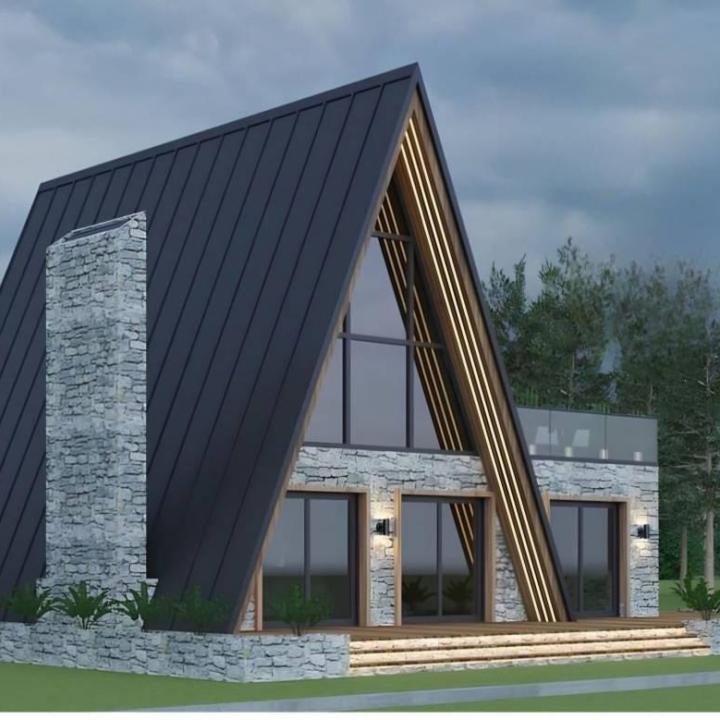
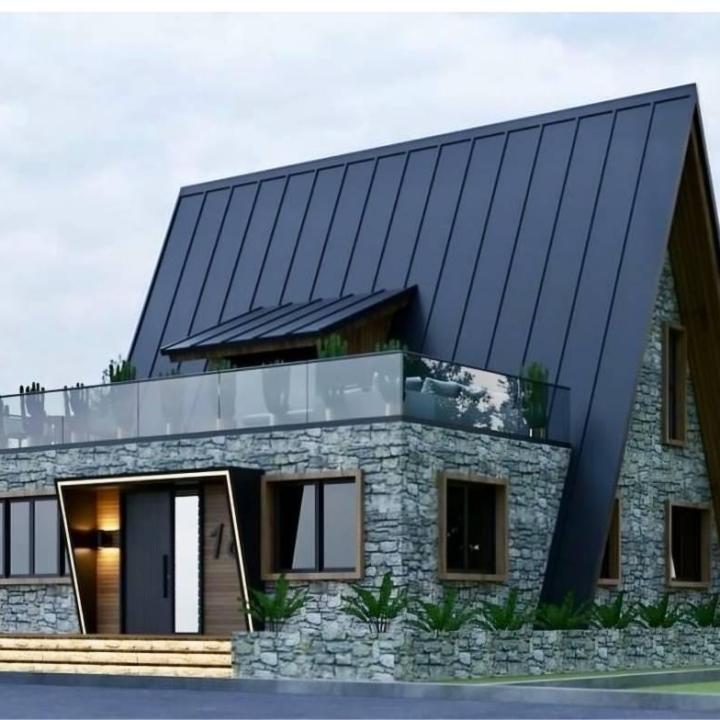
Soft House Plans A Frame Home Plans vs Prefab Homes
Soft House Plans: A Frame Home Plans vs Prefab Homes
Choosing the right approach for your next home project can be overwhelming—especially when comparing classic a frame home plans with modern prefab homes. Both have strengths, but their design philosophy, cost structure, build process, and long-term value can differ significantly. This guide breaks down a frame plans and prefab homes side-by-side so you can make an informed decision that fits your goals, budget, and site.
Throughout the article, you’ll also discover why Soft House Plans’ climate-adapted, build-ready A-frame designsprovide unique value compared to generic prefab options.
What Are A Frame Home Plans?
A frame home plans are architectural blueprints tailored for the iconic steep-sloped roof structure that resembles the letter “A.” These plans include:
- Floor layouts
- Framing details (e.g., a frame house framing)
- Roof specifications
- Electrical and plumbing paths
- Material lists
A-frame homes are beloved for their simplicity, durability, and ability to maximize vertical space on small or challenging lots.
Key Features of A Frame Plans
- Open interiors with vaulted ceilings
- Efficient structural design
- Easy adaptation to climate (snow, wind, rain)
- Works on small lots and unique terrains
Soft House Plans takes this a step further by including region-specific build notes, helping you adapt your plan to local weather, soil, and zoning conditions.
What Are Prefab Homes?
Prefab homes are factory-built sections that are transported to your site and assembled. Prefab doesn’t refer to one specific style—it can include modern designs, ranch layouts, tiny homes, and even A-frame-style modules if offered by a manufacturer.
Common Types of Prefab
- Modular homes: Built in sections, joined on-site
- Panelized homes: Wall panels assembled on-site
- Manufactured homes: Built to HUD standards, mobile
Prefab aims to reduce build time and waste by moving much of the work into controlled factory settings.
A Frame Home Plans vs Prefab Homes: Side-by-Side
Here’s how the two approaches compare:
1) Design Flexibility
A Frame Home Plans
- Highly customizable
- Tailored to site orientation, climate, and lifestyle
- Supports unique open layouts
Prefab Homes
- Limited to manufacturer options
- Customization adds cost
- May not optimize for specific site conditions
➡️ Winner (Flexibility): A Frame Home Plans
2) Construction Process
A Frame Home Plans
- You choose contractor or DIY
- On-site build from foundation up
- Learns you real construction skills if DIY
Prefab Homes
- Faster assembly on site
- Less weather delay for shell construction
- Factory precision, field finishing
➡️ Winner (Speed): Prefab Homes
3) Cost Considerations
A Frame Home Plans
- Plans cost modestly
- Labor + materials vary by region
- You control quality and sourcing
Prefab Homes
- Predictable pricing packages
- Transport and crane fees can add up
- Less direct control over material upgrades
➡️ Winner (Budget Control): A Frame Home Plans
4) Energy Efficiency & Performance
A Frame Home Plans
- Excellent when designed with insulation strategy
- Loft spaces can reduce heating footprint
- Soft House Plans includes guidance on envelope performance
Prefab Homes
- Factory sealing often efficient
- Standard packages may not optimize climate zones
➡️ Winner (Thermal Design): Tie (depends on execution)
Why Climate-Adapted A Frame Plans Matter
One major distinction with Soft House Plans is how we help you adapt your designs to local weather, terrain, and solar orientation. Many prefab packages offer a one-size-fits-all performance that doesn’t address:
- Snow loads
- Wind shear
- Passive solar gains
- Insulation upgrades
By contrast, an a frame home design from Soft House Plans includes specific notes on framing members, roof pitch adjustments, and insulation levels so your home stays comfortable and durable for decades.
A Frame Kits vs Prefab Modules
Sometimes the choice isn’t pure plans vs prefab—but between a frame cabin kits and prefab modules.
A Frame Kits
- Pre-cut framing and roof components
- Faster than sourcing raw materials
- Ideal for remote sites
Prefab Modules
- Larger sections assembled in factory
- Quickest on-site timeline
- Often limited layout options
Quick comparison:
- Kit → More design freedom, field assembly
- Module → Max factory control, less onsite labor
Use Cases: Which Is Best For You?
Best for DIY Builders
? A Frame Home Plans or A Frame Home Kit
Best for Quick Turnaround
? Prefab Homes
Best for Unique Lots (small, sloped, irregular)
? A Frame Home Plans (custom)
Best for Predictable Budget + Timeline
? Prefab Homes
Common Mistakes When Comparing Options
Sık Yapılan Hatalar
- Choosing prefab without checking local crane/transport limits
- Assuming all A-frame plans fit any climate
- Ignoring foundation costs (common in both options)
- Skipping energy performance upgrades
Soft House Plans helps reduce these errors by providing checklists and build-stage guidance you can follow from permitting to finishing.
A Frame vs Prefab: Quick Checklist
- Evaluate lot constraints
- Decide customization level
- Compare build timelines
- Estimate total cost (materials + labor + transport)
- Check insulation and performance needs
- Plan for permits, utilities, and inspections
Conclusion: Balance Your Priorities
There’s no single “best” choice for everyone. A frame home plans excel when you want design freedom, site optimization, and long-term adaptability. Prefab homes shine when time and predictability are your top priorities.
Soft House Plans bridges the gap by offering build-ready A-frame designs with practical build notes, climate guidance, and detailed materials lists so you can keep control—without sacrificing speed or quality.
Ready to compare specific plans? Explore our A-frame collections and see how custom planning can give your next project an edge.
FAQ
What’s the main difference between A-frame plans and prefab?
Plans are blueprints you build from; prefab homes include factory-built sections assembled on site.
Are A-frames more expensive than prefab?
It depends on labor and materials—but A-frames give more control over costs.
Can prefab include A-frames?
Yes, some manufacturers offer A-frame-style prefab modules.
Which option is faster to build?
Prefab homes are generally quicker on site, though A-frame kits speed up assembly too.
Do prefab homes perform well in cold climates?
Many do, but they may need upgrades to match local weather demands.
Can I customize a prefab design?
To an extent, but major layout changes are limited compared to custom plans.