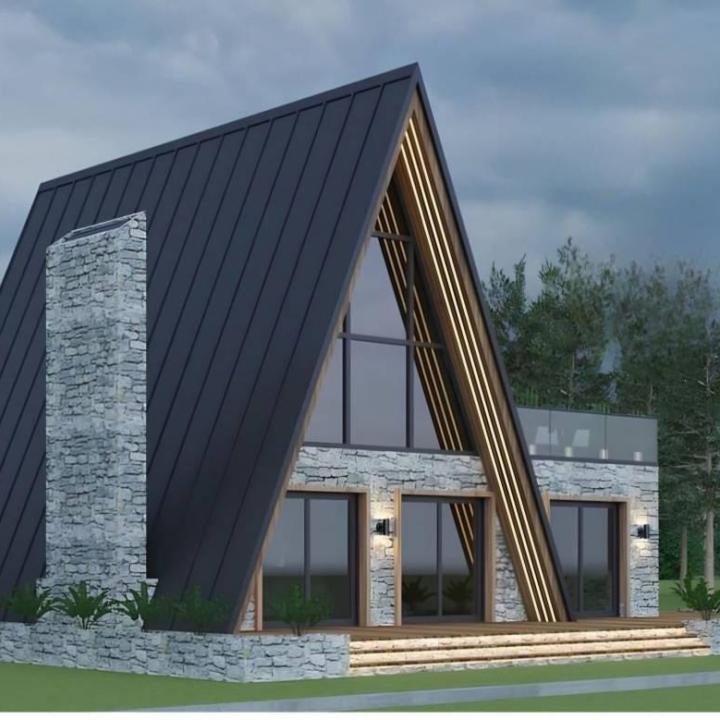
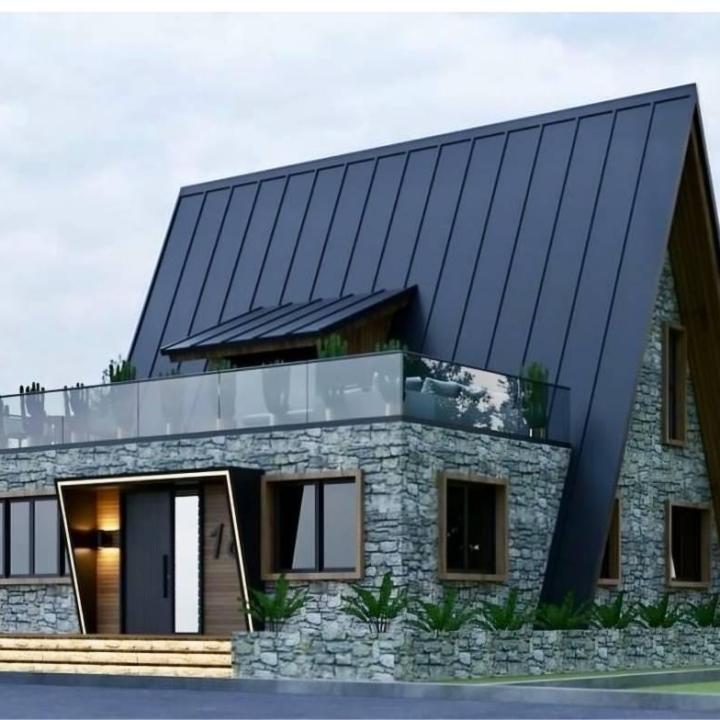
Soft House Plans: A Frame Home Plans — House Framing Basics
Soft House Plans: A Frame Home Plans — House Framing Basics
Building a strong and reliable home starts with understanding the structure behind the design. A frame home plans are known for their iconic triangular shape, but their real strength lies in how the framing system supports durability, energy efficiency, and long-term performance. Whether you are planning a small retreat or a full-time residence, knowing the basics of A-frame framing helps you make smarter design and construction decisions.
In this guide, you will learn how A-frame structures are built, what materials work best, and how Soft House Plans helps adapt each design to real-world building conditions. From foundation to ridge beam, we break down the essentials in a clear and practical way.
What Makes A Frame Homes Structurally Unique?
Unlike traditional homes with vertical walls and flat ceilings, A-frames use the roof as the main structural element. The steeply angled sides act as both walls and roof, transferring weight directly to the foundation.
This design creates a naturally strong and stable form that performs well in heavy snow, wind, and rain. It also reduces the number of structural components needed, making construction simpler in many cases. Soft House Plans emphasizes this efficiency by focusing on clean load paths and properly engineered framing layouts.
Understanding A Frame Plans Before You Build
Not all a frame plans are created equal. Some are designed for weekend cabins, while others are engineered for full-time living in demanding climates.
Structural Layout and Load Distribution
The key feature of an A-frame is how weight flows from the ridge beam down through the rafters into the foundation. This direct load path minimizes stress points and increases overall stability.
Space Planning Inside the Frame
Because the walls slope inward, interior layouts must be carefully planned. Loft areas, stair placement, and window positioning all depend on how the framing system is designed.
A Frame House Framing: Core Components Explained
A strong a frame house framing system relies on a few essential structural elements working together.
Ridge Beam
The ridge beam runs along the peak of the roof and carries much of the roof load. It must be properly sized and supported, especially in larger homes or snowy regions.
Rafters
Rafters form the sloping sides of the A-frame. They act as both roof and wall framing, making their spacing and material choice critical for strength and insulation performance.
Foundation System
Most A-frames sit on concrete slabs, piers, or crawl spaces. The foundation must be level and reinforced to handle the concentrated loads from the steep roof structure.
Framing Materials That Deliver Long-Term Performance
Choosing the right materials improves both strength and efficiency.
- Engineered lumber: Offers consistent strength and reduced warping
- Pressure-treated wood: Ideal for foundation connections and moisture-prone areas
- Metal connectors: Improve joint strength and structural stability
Soft House Plans often recommends engineered beams for larger spans, especially in open-concept designs where interior support walls are minimized.
A Frame Home Kits vs Custom Framing
Many builders consider pre-designed kits as a faster way to start building.
A Frame Home Kit Benefits
An a frame home kit typically includes pre-cut framing components, fasteners, and basic construction guides. This reduces planning time and simplifies assembly.
Custom A Frame Home Design Plans
With custom a frame home design plans, you gain full control over beam sizes, insulation thickness, window placement, and energy system integration. This approach is better for long-term performance and climate-specific building needs.
A Frame Cabin Kits and Build Flexibility
A frame cabin kits are popular for vacation properties and off-grid projects.
A Frame Kit Cabin Strengths
These kits are often designed for quick builds and budget-friendly construction. They work well for small-scale projects in mild climates.
Limitations to Consider
Standard kits may limit upgrades such as advanced insulation systems, large window packages, or renewable energy integration. A custom a frame home design allows greater flexibility for future-proofing your home.
Framing an A Frame Tiny House
An a frame tiny house uses the same structural principles as larger A-frames but on a more compact scale. Because of the smaller footprint, framing must be precise to maximize usable interior space.
Benefits include:
- Lower material costs
- Faster construction timelines
- Easier structural inspections
Tiny A-frames are ideal for sustainable living and low-impact building projects.
Step-by-Step Framing Basics
Here is a simple overview of how A-frame framing typically progresses:
- Prepare and level the foundation
- Install base plates and anchor points
- Set the ridge beam supports
- Attach and secure rafters
- Add floor systems and loft framing
- Install sheathing and weather barriers
Each step ensures structural alignment and long-term stability.
Energy Efficiency and Framing Design
The framing system directly affects how well your home retains heat and controls airflow. Continuous insulation along the rafters and airtight connections at joints reduce energy loss.
Proper framing also makes it easier to install ventilation systems, solar-ready roof mounts, and high-performance windows. Soft House Plans focuses on framing layouts that support modern energy standards without compromising design flexibility.
Common Framing Mistakes to Avoid
- Undersized ridge beams for wide spans
- Poor rafter alignment
- Skipping metal connectors at key joints
- Inadequate anchoring to the foundation
- Ignoring insulation space during framing
Avoiding these errors improves both safety and long-term comfort.
Framing Checklist for A Frame Homes
- Verify foundation level and load capacity
- Choose climate-appropriate a frame plans
- Confirm ridge beam sizing and supports
- Plan insulation depth before setting rafters
- Use reinforced connectors at all joints
- Prepare roof structure for solar panels if needed
Why Soft House Plans Emphasizes Structural Clarity
Soft House Plans provides detailed framing diagrams, material specifications, and climate-based recommendations with every design. This approach helps builders and homeowners avoid costly mistakes while ensuring each A-frame performs well in real-world conditions.