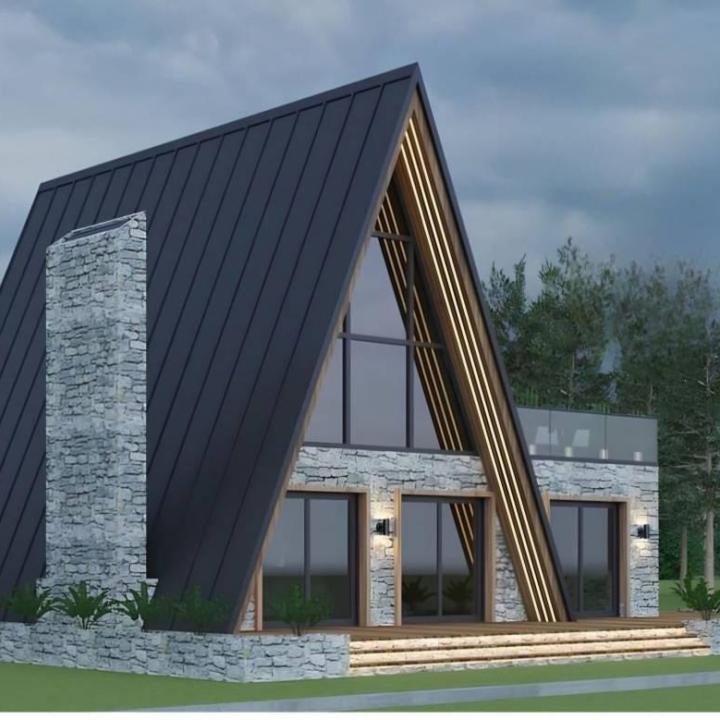
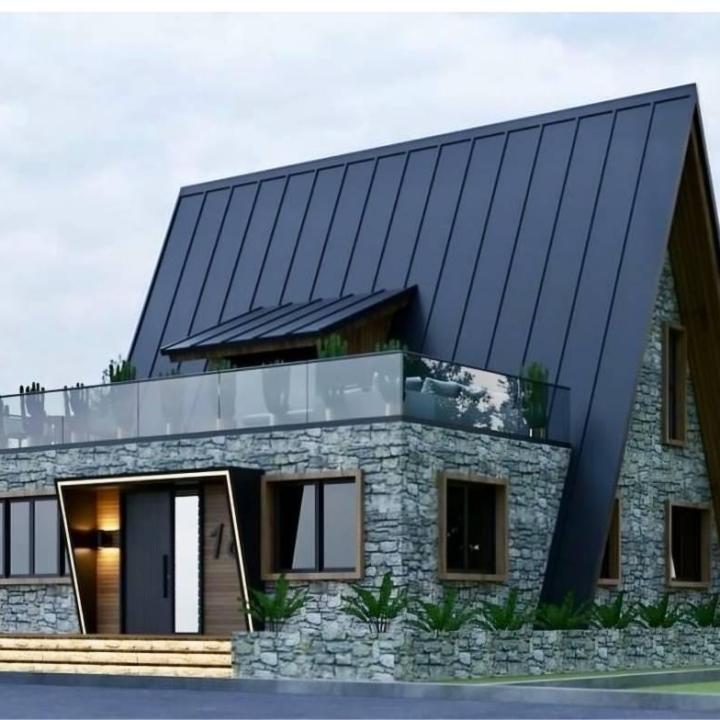
Soft House Plans A Frame Home Plans for Energy Efficiency
Soft House Plans: A Frame Home Plans for Energy Efficiency
Designing a home that is both stylish and energy-efficient starts with choosing the right structure. A frame home plansare naturally suited for sustainable living thanks to their compact footprint, steep rooflines, and smart use of vertical space. When combined with modern insulation systems, high-performance windows, and climate-aware orientation, A-frame homes can significantly reduce energy consumption and long-term utility costs.
This guide explores how A-frame designs support energy efficiency, which features make the biggest impact, and how Soft House Plans helps you adapt each plan to real-world climate conditions and lifestyle needs.
Why A Frame Homes Are Naturally Energy Efficient
The iconic triangular shape of an A-frame is more than just an architectural statement. It plays a major role in how heat, air, and moisture move through the home.
- Compact design: Less exterior wall area means reduced heat loss in winter and less heat gain in summer.
- Steep roof pitch: Encourages efficient snow and rain runoff, helping prevent moisture-related heat loss.
- Vertical living space: Warm air rises naturally, making lofted layouts more efficient for heating.
- Simple building envelope: Fewer corners and joints reduce thermal bridging and air leakage.
Soft House Plans focuses on envelope-first design, ensuring insulation, air sealing, and structural efficiency are prioritized before aesthetic details.
Understanding A Frame Plans and Energy Performance
Not all a frame plans deliver the same level of efficiency. Performance depends on orientation, insulation strategy, and material selection.
A Frame House Framing and Thermal Control
With a frame house framing, the roof doubles as the primary wall system. This makes proper insulation critical. Continuous insulation along the rafters helps eliminate cold spots and improves airtightness.
Pro tip: Use high-density insulation and a sealed ridge beam barrier to minimize heat loss in cold climates and overheating in warm regions.
Custom Plans vs A Frame Home Kits
Homeowners often compare custom designs to prefabricated options.
A Frame Home Kit Benefits and Limits
An a frame home kit offers faster construction and predictable costs, but energy upgrades may be limited by standard material packages.
Custom A Frame Home Design Advantage
With fully customized a frame home design plans, you can specify insulation values, window performance, ventilation systems, and solar readiness from the beginning. This level of control leads to better long-term efficiency and comfort.
Essential Energy-Saving Design Features
1. Passive Solar Orientation
Positioning your A-frame correctly can significantly reduce heating and cooling demands.
- South-facing windows maximize winter sunlight
- Roof overhangs provide shade in summer
- Smaller north-facing windows reduce heat loss
2. High-Performance Insulation
Because the roof is the main thermal barrier, quality insulation is critical.
Recommended methods include:
- Spray foam for airtight sealing
- Rigid insulation boards for thermal continuity
- Vapor barriers for climate-specific moisture control
3. Energy-Efficient Windows and Doors
Large gable windows are a signature feature of A-frames. Double or triple-pane glazing with low-emissivity coatings helps maintain indoor comfort without sacrificing natural light or views.
A Frame Cabin Kits vs Energy-Focused Builds
Many builders consider a frame cabin kits for their affordability and convenience.
A Frame Kit Cabin Pros and Cons
Pros:
- Faster assembly
- Lower upfront cost
- Simplified material sourcing
Cons:
- Limited insulation upgrades
- Standard window packages
- Reduced flexibility for renewable energy integration
A custom a frame home design allows full control over energy systems, insulation layers, and ventilation strategies.
A Frame Tiny House: Maximum Efficiency in Minimal Space
An a frame tiny house is one of the most energy-efficient housing options available. Its small footprint minimizes heating and cooling demands while still providing comfortable vertical living space.
Benefits include:
- Reduced exterior surface area
- Faster temperature regulation
- Easier air sealing and insulation coverage
This makes tiny A-frames ideal for off-grid or low-energy living.
Energy Systems That Work Best in A Frames
Heating and Cooling Options
- Mini-split heat pumps for open layouts
- Radiant floor heating for cold climates
- Ceiling fans for improved air circulation in tall spaces
Renewable Energy Integration
The steep roof angle of A-frames is ideal for solar panel installation. Properly oriented roofs can generate enough power to offset a large portion of household energy use.
Upgrading an A Frame Home Kit for Better Efficiency
If you start with an a frame home kit, consider these upgrades:
- High-R roof and floor insulation
- Energy-rated windows and doors
- Full air sealing during assembly
- Heat recovery ventilation systems for fresh air circulation
These improvements can dramatically boost comfort and reduce long-term energy costs.
Cost vs Long-Term Savings
Energy-efficient upgrades often increase initial build costs slightly, but they provide strong long-term returns through:
- Lower utility bills
- Improved indoor comfort
- Higher resale value
Most homeowners recover these investments within a few years.
Common Efficiency Mistakes to Avoid
- Skipping air sealing at the ridge beam
- Using low-grade roof insulation
- Oversizing windows without proper shading
- Ignoring ventilation in loft spaces
Avoiding these issues ensures better comfort and consistent energy performance.
Energy-Efficient A Frame Checklist
- Select climate-appropriate a frame plans
- Orient for passive solar gain
- Use high-R insulation in roof and floors
- Install energy-rated windows and doors
- Plan efficient HVAC and ventilation systems
- Prepare the roof for solar integration
Why Soft House Plans Focuses on Real-World Performance
Soft House Plans provides detailed climate-based recommendations, insulation guides, and energy planning resources with every design. This approach helps builders adapt each plan to local weather conditions, ensuring long-term durability, comfort, and efficiency.