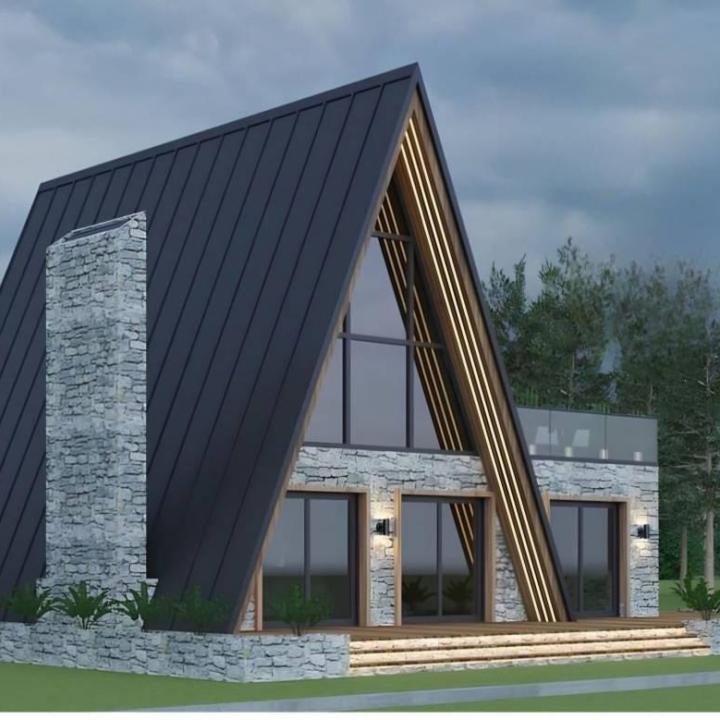
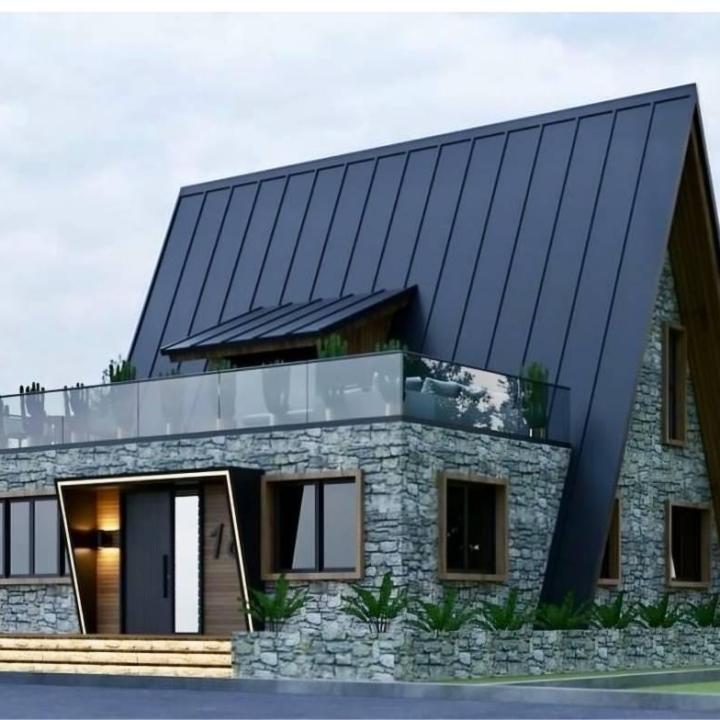
Soft House Plans A Frame Home Plans — Design Step-by-Step
Soft House Plans: A Frame Home Plans — Design Step-by-Step
Designing a home from the ground up can feel overwhelming, especially when working with a unique structure. A frame home plans simplify many design decisions thanks to their iconic triangular shape, efficient use of space, and strong structural logic. Whether you are building a weekend cabin, a full-time residence, or a compact retreat, following a clear step-by-step process helps turn your idea into a practical and buildable design.
This guide walks you through each phase of the design journey, from choosing the right layout to preparing construction-ready documents. Soft House Plans focuses on real-world usability, energy performance, and long-term comfort—so your design works as well on paper as it does on site.
Step 1: Define Your Goals and Lifestyle Needs
Every successful design starts with clarity. Before selecting or modifying a frame plans, consider how you will actually use the space.
Ask yourself:
- Will this be a primary home, vacation retreat, or rental property?
- How many bedrooms and bathrooms are essential?
- Do you need a loft, office, or flexible multi-use space?
Understanding these needs helps shape the interior layout and ensures your A-frame supports daily life, not just visual appeal.
Step 2: Choose the Right A Frame Layout
The layout determines how comfortable and functional your home will feel.
Open Concept vs Zoned Spaces
Many a frame home design plans feature open living areas on the main floor with private spaces in the loft. This approach maximizes natural light and creates a sense of spaciousness even in smaller footprints.
Vertical Space Planning
Because A-frames rely on height rather than width, it is important to plan stair placement, ceiling clearances, and loft headroom early in the design process.
Step 3: Understand A Frame House Framing Basics
The structure is the backbone of your design. A frame house framing uses the roof as the main support system, meaning every design decision affects both aesthetics and strength.
Ridge Beam and Rafter Placement
The ridge beam carries the load of the roof, while the rafters form the sloping sides. Proper spacing and sizing ensure stability and allow enough room for insulation and wiring.
Foundation Alignment
Your framing system must align perfectly with the foundation to maintain structural balance. Soft House Plans emphasizes clean load paths from the ridge down to the base.
Step 4: Decide Between Kits and Custom Designs
This step often shapes the entire project timeline and budget.
A Frame Home Kit Option
An a frame home kit provides pre-cut materials and standardized layouts. This approach reduces planning time and simplifies construction for first-time builders.
Custom A Frame Home Design
With fully customized a frame home design, you can adjust window placement, insulation depth, and room dimensions to suit your climate and lifestyle. This option offers greater flexibility and long-term value.
Step 5: Plan for Energy Efficiency Early
Energy performance should be part of the design, not an afterthought.
Insulation Strategy
Because the roof doubles as the wall, insulation must run continuously along the rafters. High-R insulation systems improve comfort and reduce heating and cooling costs.
Window Orientation
Position large windows to capture sunlight in winter and limit heat gain in summer. This passive design approach works especially well with A-frame geometry.
Step 6: Explore A Frame Cabin Kits for Smaller Builds
If you are designing a compact or seasonal home, a frame cabin kits can be a practical solution.
A Frame Kit Cabin Advantages
- Faster build times
- Predictable material costs
- Simplified construction process
Design Limitations
Standard kits may limit customization for energy upgrades or unique interior layouts. If long-term living is the goal, a custom plan may offer better performance and comfort.
Step 7: Design an A Frame Tiny House for Maximum Efficiency
An a frame tiny house is ideal for minimalists and off-grid builders. Its small footprint reduces construction costs while maintaining a strong architectural presence.
Design tips include:
- Multi-functional furniture for flexible use
- Built-in storage under stairs and lofts
- Large windows to visually expand the space
Step 8: Interior Design and Flow
Good design is not just about structure—it is about how the space feels.
Lighting and Ceiling Height
Tall ceilings allow for dramatic lighting features and improve airflow. Use pendant lights or track systems that complement the vertical space.
Material Choices
Natural wood finishes, neutral tones, and simple textures highlight the A-frame’s geometry and create a warm, inviting atmosphere.
Step 9: Compare A Frame Plans with Other Home Types
A Frame Home Plans vs Traditional Homes
Advantages of A-Frames:
- Unique architectural identity
- Strong performance in snow and rain
- Efficient use of vertical space
Disadvantages:
- Sloped walls reduce usable floor area
- Custom furniture may be required
- Window placement requires careful planning
Understanding these trade-offs helps you choose the right design path.
Step 10: Prepare Construction Documents
Once the design is finalized, detailed drawings are essential for builders and permit approvals.
Include:
- Framing layouts
- Electrical and plumbing plans
- Insulation and ventilation details
- Window and door specifications
Soft House Plans provides clear documentation that bridges the gap between design and construction.
Common Design Mistakes to Avoid
- Ignoring insulation space during framing design
- Oversizing windows without shading strategies
- Poor stair placement in compact layouts
- Skipping climate-specific design adjustments
Avoiding these errors ensures better comfort and long-term performance.
Design Checklist for A Frame Homes
- Define lifestyle and space requirements
- Choose between a frame plans and custom designs
- Align framing layout with foundation design
- Plan insulation and ventilation systems
- Optimize window orientation
- Prepare full construction documents
Why Soft House Plans Takes a Step-by-Step Approach
Soft House Plans focuses on practical design that adapts to real-world conditions. Each plan includes guidance on materials, climate considerations, and energy performance, helping builders move confidently from concept to completion.