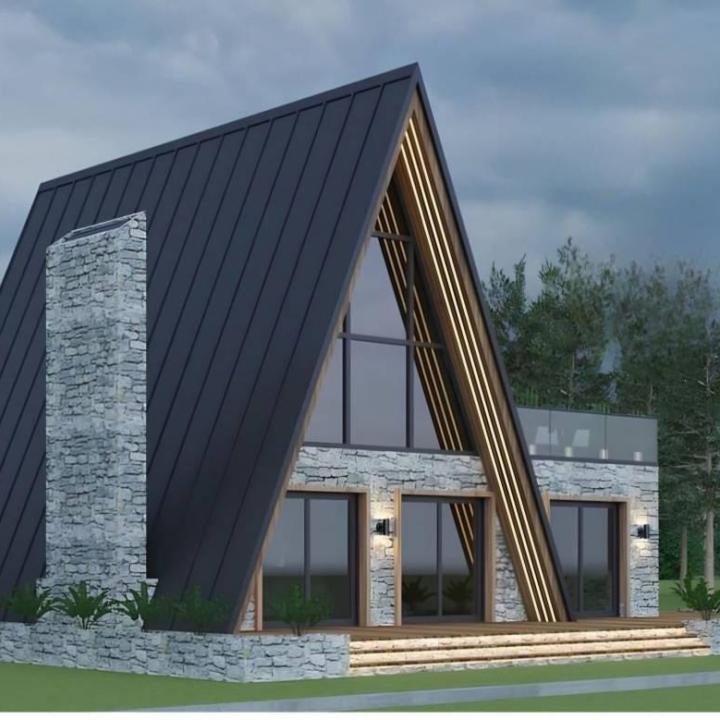
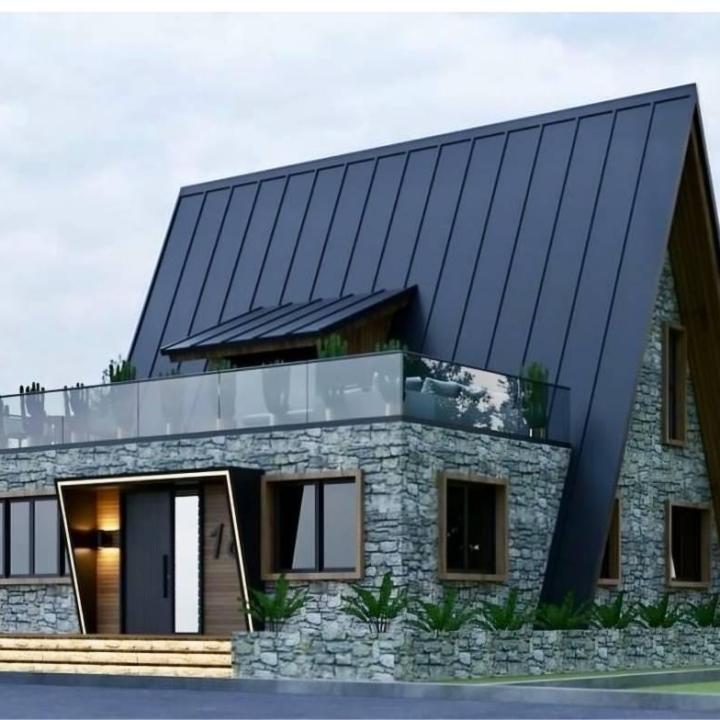
Soft House Plan 7 A Frame Home Plans for Small Lots
Soft House Plans: 7 A Frame Home Plans for Small Lots
Designing a home for a compact parcel can feel limiting—but with the right a frame home plans, small lots become an opportunity for smart, stylish, and efficient living. A-frame homes use vertical space, simple footprints, and strong structural geometry to deliver comfort without demanding a large site. In this guide, you’ll discover seven practical A-frame home plans tailored for narrow, shallow, or irregular lots, plus real-world tips from Soft House Plans that help you avoid costly mistakes and build with confidence.
Whether you’re a first-time builder, a DIY enthusiast, or a small-lot investor, this article explains what to choose, how to plan, and why A-frames perform so well on limited land.
Why A Frame Home Plans Work on Small Lots
A-frames shine where space is tight. Their iconic triangular silhouette isn’t just aesthetic—it’s functional.
- Vertical living: Loft bedrooms and tall ceilings reduce the need for a wide footprint.
- Simple foundation: Narrow bases fit tricky setbacks and irregular lot lines.
- Natural light: Large gable windows pull daylight deep into the interior.
- Efficient structure: The roof doubles as walls, reducing framing complexity.
At Soft House Plans, we emphasize site-first design—orienting each plan to sun, wind, and privacy so small lots feel bigger and more comfortable year-round.
How A Frame Plans Differ from Traditional Layouts
Understanding the basics of a frame plans helps you choose the right option for your land and lifestyle.
A Frame House Framing Explained
With a frame house framing, two long structural beams meet at the ridge to form the “A.” Floors, lofts, and interior partitions attach within this shell. The result is a strong, simple structure that transfers loads efficiently to the foundation—ideal for compact sites.
Plan vs. Kit: What’s the Difference?
- Plans: Detailed drawings and specs for full customization and local code alignment.
- Kits: Pre-cut components for faster assembly and predictable material lists.
If your lot has strict zoning or unusual boundaries, custom a frame home design plans often provide the flexibility you need.
1) Compact Studio A Frame
Best for: Solo living, weekend retreats, backyard ADUs
Typical size: 400–600 sq ft
This plan keeps everything open—living, dining, and kitchen flow into one bright space, while a sleeping loft sits above. A small deck or Juliet balcony expands the living area without increasing the footprint.
Why it works on small lots: Minimal width, tall ceilings, and simple utilities keep costs and permitting straightforward.
2) A Frame Tiny House with Loft
Best for: Minimalists, short-term rentals, eco builds
Typical size: 450–650 sq ft
An a frame tiny house uses a generous loft for sleeping and storage, leaving the ground floor flexible for daily living. Many builders choose an a frame kit version for speed and budget control.
Real-world tip: Choose stair-style storage steps instead of a ladder—safer access and extra drawers in one move.
3) Two-Bedroom Narrow A Frame
Best for: Small families, guest-friendly layouts
Typical size: 800–1,000 sq ft
This plan fits two compact bedrooms beneath the sloped roofline, with a central open-plan living area. Built-in wardrobes and under-eave storage keep the layout clean.
Why it’s smart: You get privacy without expanding the footprint—perfect for tight setbacks.
4) A Frame Cabin Kit for Tight Sites
Best for: DIY builders, rural lots, fast builds
Typical size: 650–900 sq ft
A frame cabin kits arrive with pre-cut framing, roof panels, and clear assembly steps. An a frame kit cabin simplifies logistics on lots where access or labor is limited.
Soft House Plans edge: We provide a climate checklist—snow load, wind exposure, and insulation levels—so your kit performs beyond the basics.
5) Porch-Focused A Frame
Best for: Indoor–outdoor living
Typical size: 700–900 sq ft
A side or wraparound porch adds usable space without enlarging the foundation. It’s ideal for narrow lots where backyard depth is limited.
Design note: Orient the porch to block summer sun and capture breezes—small moves that dramatically improve comfort.
6) Multi-Level A Frame with Storage
Best for: Gear-heavy lifestyles, hobbies
Typical size: 850–1,100 sq ft
This plan extends the loft and tucks a utility or storage zone beneath the stairs. Smart a frame house framing supports heavier loads for bikes, kayaks, or workshop benches.
How it helps: You keep the living area open while hiding clutter—key on compact sites.
7) Customizable A Frame Home Design
Best for: Irregular or sloped lots
Typical size: Modular
When property lines, easements, or terrain complicate things, a tailored a frame home design lets you rotate rooms, shift windows, or adjust roof overhangs for privacy and daylight.
Why custom matters: It helps you meet local codes and maximize every square foot without sacrificing the A-frame look.
A Frame Kit vs. Custom Plans: Quick Comparison
A Frame Home Kit
- Faster build
- Lower upfront cost
- Predictable materials
- Less design flexibility
Custom A Frame Plans
- Full personalization
- Easier code compliance
- Better site adaptation
- Higher design cost
If speed and budget lead, choose a kit. If your lot is complex, custom a frame home design plans usually pay off long-term.
Budgeting and Timeline for Small Lots
Typical Cost Breakdown
- Materials: 40–50%
- Labor: 30–40%
- Permits & fees: 5–10%
- Finishes & utilities: 10–20%
Build Timeline
Most A-frame projects finish in 2–6 months, depending on weather, crew size, and whether you’re assembling an a frame home kit or building from plans.
Common Mistakes on Small Lots
Sık Yapılan Hatalar
- Ignoring setback and height restrictions
- Underestimating insulation needs at the roofline
- Poor window placement (privacy and overheating issues)
- No plan for storage or mechanical space
Why this matters: On small lots, errors compound quickly—fixes often require redesigns or permit revisions.
Small-Lot A Frame Checklist
- Verify zoning, setbacks, and height limits
- Choose kit vs. custom a frame plans
- Orient for sunlight, privacy, and wind
- Confirm foundation type and soil conditions
- Select insulation and framing specs
- Plan utilities, access, and inspections
Why Soft House Plans Is Different
We don’t just sell drawings. Soft House Plans adds site-adapted guidance—climate tables, framing notes, and build-stage checklists—so your A-frame performs in real conditions, not just on paper. Builders tell us this reduces rework and speeds up inspections, especially on tight urban or hillside lots.
Conclusion: Build Big Ideas on Small Land
Small lots don’t have to limit your vision. With the right a frame home plans, you can enjoy vertical space, efficient layouts, and timeless design in a compact footprint. Whether you choose an a frame cabin kit, a tiny home, or a custom solution, Soft House Plans helps you match design to site, climate, and lifestyle.
Ready to move forward? Explore our small-lot A-frame collections and start planning a smarter build today.
FAQ
Can A-frame homes fit on very narrow lots?
Yes. Their slim footprints and vertical layouts make them ideal for narrow or shallow parcels.
Are A-frame kits beginner-friendly?
Most are. An a frame kit includes pre-cut parts and instructions, but larger builds may still need professional help.
How energy efficient are A-frames?
Very efficient when properly insulated, especially along the roofline and ridge beam.
Do I need special permits for small lots?
Often yes. Check local zoning for height limits, setbacks, and ADU rules.
Can I expand later?
Yes. Many owners add side wings, decks, or enclosed porches with forward planning.
What’s better for resale—kit or custom?
Custom plans typically add value due to better code compliance and site optimization.