Traditional Log Cabin Plans for a Timeless Retreat
Why Choose a Log Cabin
Log cabins have been a part of American heritage for centuries. Choosing a log cabin plan for your retreat offers several unique advantages:
Timeless appeal: The natural look of logs blends beautifully with forests, mountains, and lakesides.
Durability: Properly built log cabins last for generations, providing a sustainable option for small house plans.
Energy efficiency: The thermal mass of logs helps regulate indoor temperatures, reducing energy costs.
Customizable layouts: From compact house plans to spacious vacation retreats, log cabins can adapt to your needs.
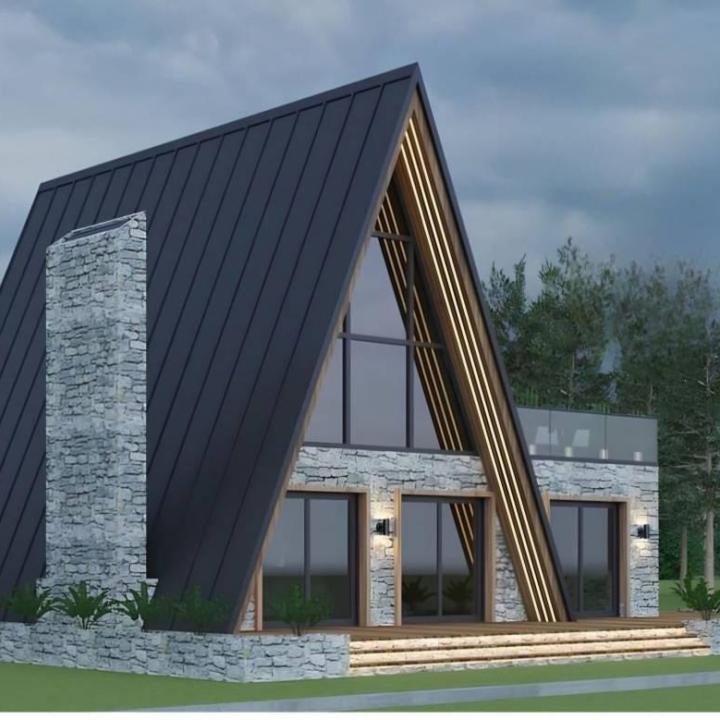
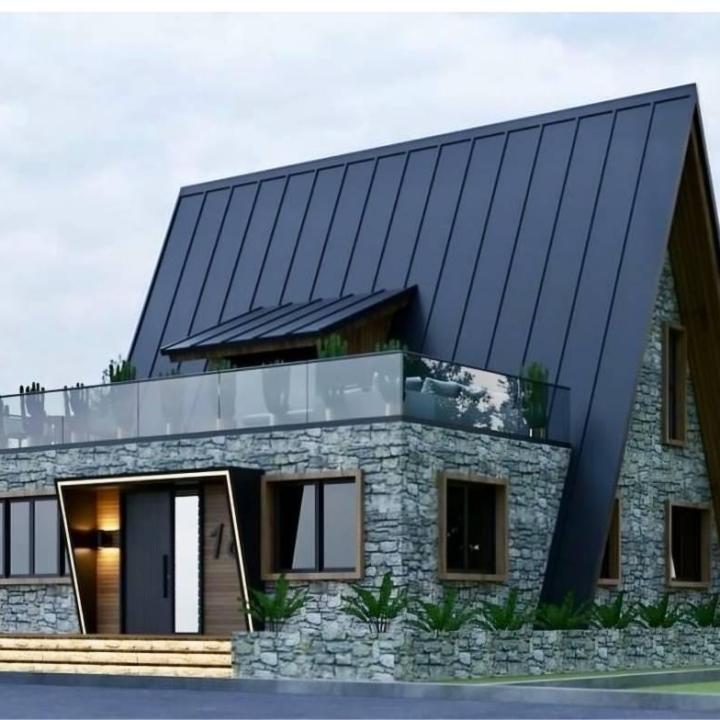
Whether you’re considering an A-frame house plan in a scenic setting or a mountain cabin plan with panoramic views, log cabins offer unmatched character and charm.
Key Features of Traditional Log Cabin Plans
When exploring cabin house plans, look for these key features that enhance comfort and functionality:
Open floor designs: Create a welcoming central area for living, dining, and kitchen space.
House plans with lofts: Lofts can provide additional sleeping quarters or storage without increasing the cabin footprint.
Large windows and decks: Connect the cabin interior to the surrounding landscape.
Rustic interior finishes: Exposed beams, natural wood floors, and stone fireplaces enhance the cabin experience.
Energy-efficient designs: Modern log cabins often integrate insulation and energy-saving features for year-round comfort.
These features ensure your cozy house plans combine the classic log cabin aesthetic with modern convenience.
Popular Traditional Log Cabin Layouts
Here are some of the most popular log cabin plans that work well for retreats or permanent homes:
Classic Single-Story Log Cabin
Style: Traditional
Features: Open floor plan, small kitchen, 1–2 bedrooms, optional loft
Benefits: Ideal for tiny house plans or compact house plans, this layout maximizes functional space while keeping construction simple.
Lofted Log Cabin
Style: Rustic charm
Features: Main floor living space, lofted bedroom, full kitchen, bathroom
Benefits: Offers additional sleeping space for family or guests, fitting naturally into vacation cabin house plans.
Mountain Retreat Log Cabin
Style:Mountain cabin plans
Features: Expansive windows, vaulted ceilings, lofted master suite, wraparound deck
Benefits: Perfect for scenic locations, this design emphasizes outdoor living and panoramic views.
DIY-Friendly Modular Log Cabin
Style: Modular design
Features: Pre-cut logs, simple assembly, loft or open floor layout
Benefits: Supports DIY house building, reducing construction time and allowing customization.
Tips for Planning Your Log Cabin
Whether building a small house plan or a more expansive log cabin, consider these tips:
Determine your size needs: Decide if a tiny house plan or larger cabin best suits your lifestyle.
Incorporate lofts wisely: Lofted areas can serve as bedrooms, offices, or storage spaces, optimizing compact house plans.
Plan for outdoor living: Decks, porches, and patios expand usable space without enlarging the cabin footprint.
Consider insulation and climate: Proper insulation keeps your cabin comfortable year-round.
Choose quality materials: Durable logs and finishes improve longevity and reduce maintenance.
Following these tips ensures your log cabin plan remains practical, comfortable, and visually appealing.
Why Log Cabins Are Perfect for Retreats
Log cabins have a unique appeal that makes them ideal for retreats:
Connection to nature: Logs blend naturally into forested or mountainous landscapes.
Cozy atmosphere: The warm interiors are perfect for relaxation and family time.
Flexibility: From A-frame house plans to traditional log layouts, cabins can suit solo retreats or family vacations.
Timeless design: Unlike trends in modern house plans, log cabins remain stylish and relevant across generations.
These qualities make log cabins a lasting investment in comfort, aesthetics, and lifestyle.
Incorporating Modern Touches
While traditional log cabins focus on rustic charm, modern updates can enhance livability:
Smart home features: Integrate lighting, climate control, and security systems.
Energy-efficient appliances: Reduce operational costs and environmental impact.
Open layouts: Combine rustic logs with open-concept spaces for modern house plans.
Stylish kitchens and bathrooms: Add contemporary cabinetry and fixtures without compromising the rustic feel.
By blending classic aesthetics with contemporary design elements, your cabin can feel both timeless and modern.