How to Build the Perfect Cabin in the Mountains
Choosing the Right Mountain Cabin Plans
Selecting the right mountain cabin plans is the foundation of any successful project. The terrain, climate, and your lifestyle preferences will all influence your design choices.
Consider Your Location and Climate
Slope and soil stability: Mountain lots often have steep slopes, which can affect foundation types and construction costs.
Weather patterns: Snowfall, rainfall, and wind can dictate roof pitch, insulation, and exterior materials.
Access: Ensure your site is accessible for construction vehicles and future deliveries.
Cabin Styles to Explore
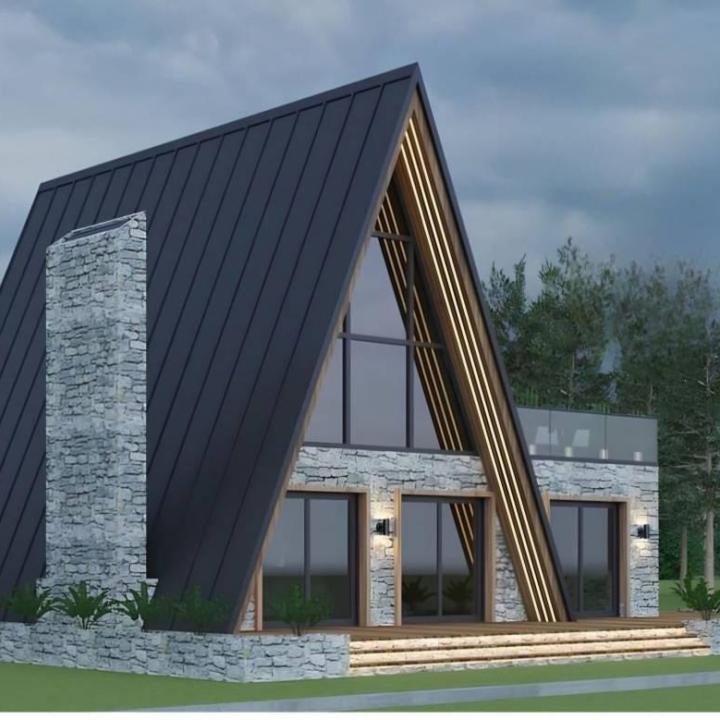
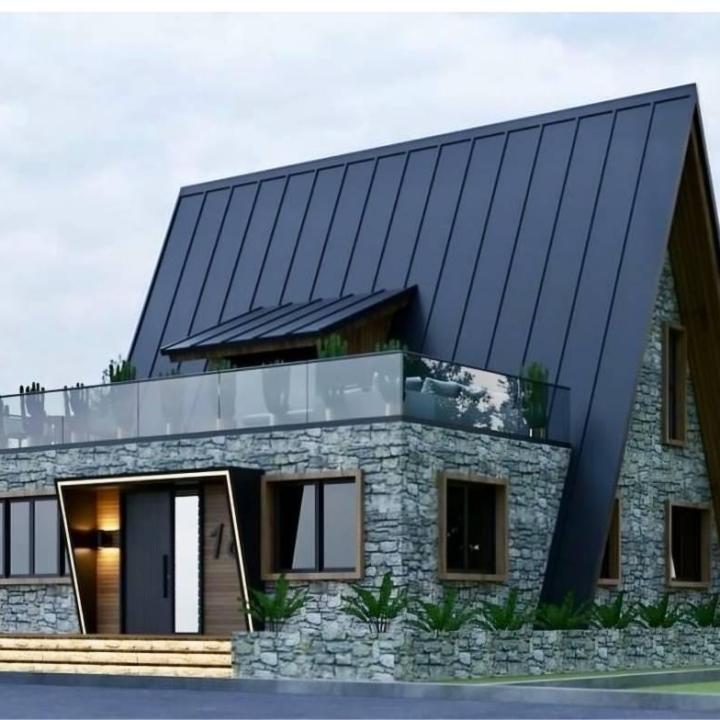
A-frame house plans: Perfect for snowy climates; the steep roof sheds snow easily and gives a classic mountain look.
Log cabin plans: Ideal for those who want a rustic, cozy feel. Logs provide natural insulation and a timeless aesthetic.
Modern house plans: Sleek lines and large windows bring in natural light and frame scenic views beautifully.
Tiny house plans: Great for minimalists or those looking for a small vacation escape with low maintenance.
Essential Features for a Mountain Cabin
Once you’ve selected a general style, think about the features that make your cabin both functional and inviting.
Space Planning
House plans with loft: Utilize vertical space for sleeping areas, storage, or an office.
Compact house plans: Focus on multifunctional rooms to maximize usability in smaller footprints.
Small house plans: Ideal for first-time DIY builders or as a secondary vacation property.
Comfort and Coziness
Cozy house plans: Incorporate fireplaces, reading nooks, and natural wood finishes.
Large windows: Bring the outdoors in and highlight scenic mountain views.
Covered decks or porches: Extend living space while protecting against elements.
Practical Considerations
Insulation and heating: Mountain cabins require efficient heating systems and insulated walls for year-round comfort.
Water and electricity: Plan for hookups, wells, or off-grid solutions depending on remoteness.
Affordable house plans: Choose designs that balance style and cost, especially if working with a DIY budget.
DIY House Building vs. Hiring Professionals
Building a mountain cabin can be a DIY adventure or a professionally managed project. Each approach has its benefits.
DIY House Building
Cost savings: Labor can represent 30–50% of construction costs, so doing it yourself saves money.
Hands-on control: Customize details and truly make the cabin your own.
Learning experience: Gain valuable construction skills for future projects.
Tips for DIY builders:
Start with ready to build house plans to simplify construction.
Choose affordable house plans with simple foundations and straightforward framing.
Enlist friends or family for help with heavy lifting or complex tasks.
Hiring Professionals
Speed and efficiency: Experienced builders can handle challenging terrain and complicated codes.
Expertise: Access to electricians, plumbers, and designers for a smoother build.
Permits and inspections: Professionals ensure compliance with local regulations.
Maximizing Small Spaces
Even if your cabin is modest in size, thoughtful design can make it feel spacious and functional.
Creative Storage Solutions
Built-in shelves and cabinetry to reduce clutter.
Under-stair or loft storage to maximize unused areas.
Multi-purpose furniture like sofa beds or fold-down tables.
Open Floor Plans
Combine living, dining, and kitchen areas for a larger feel.
Use large windows or sliding glass doors to bring in light and scenery.
Integrate outdoor decks to extend living space naturally.
Vacation Cabin House Plans
For cabins intended for seasonal use, consider:
Durable finishes that require minimal maintenance.
Flexible sleeping arrangements for family or guests.
Easy access to outdoor activities like hiking, skiing, or fishing.
Budgeting and Cost Considerations
Mountain cabins can range from $50,000 for tiny DIY projects to over $500,000 for custom log cabins. Some budgeting tips include:
Start with small house plans to reduce material and labor costs.
Use local materials like timber and stone to cut transportation expenses.
Plan for long-term maintenance, especially in harsh mountain environments.
By carefully selecting your plans and building method, you can create a cabin that fits your budget without compromising on comfort or style.
Inspiring Cabin Ideas
Rustic Log Cabin: Exposed beams, stone fireplace, and wraparound deck.
Modern Mountain Retreat: Floor-to-ceiling windows, minimalist interiors, and energy-efficient features.
A-Frame Tiny Home: Compact, steep-roof design perfect for snowy climates.
Cabin with Loft: Maximize sleeping or storage space while keeping the main floor open.
These designs show that whether you prefer log cabin plans, tiny house plans, or modern house plans, there’s a style to suit your personality and lifestyle.
Final Tips for a Successful Mountain Cabin
Prioritize the view: Orient the cabin to capture sunrise, sunset, or lake views.
Plan for the elements: Roof pitch, insulation, and exterior materials should match local weather.
Keep it simple: Small or compact house plans often result in lower costs and easier maintenance.
Focus on comfort: Cozy house plans with functional layouts make the space inviting year-round.
Use professional resources: Even DIY builders can benefit from consulting architects or local builders for tricky elements.