How to Build a Vacation Cabin Without Breaking the Bank
Why Budget-Friendly Cabin Building Is More Popular Than Ever
More Americans are choosing to build compact, efficient cabins for weekend trips, investment rentals, and even full-time living. With flexible vacation cabin house plans and the growing popularity of DIY house building, building a cabin has never been more accessible.
Instead of committing to a large home, many homeowners are selecting:
Small house plans (600–1,200 sq. ft.)
Tiny house plans (under 600 sq. ft.)
Compact layouts that prioritize function over size
These designs minimize expenses, reduce utility bills, and simplify day-to-day living—all while offering beautiful, well-planned spaces.
1. Start With a Smart, Affordable House Plan
Pick the Right Design From the Start
One of the biggest cost-saving decisions happens long before construction begins: choosing your layout. The right plan can cut thousands in materials and labor.
Best Budget-Friendly Styles
Here are some of the most affordable and efficient designs:
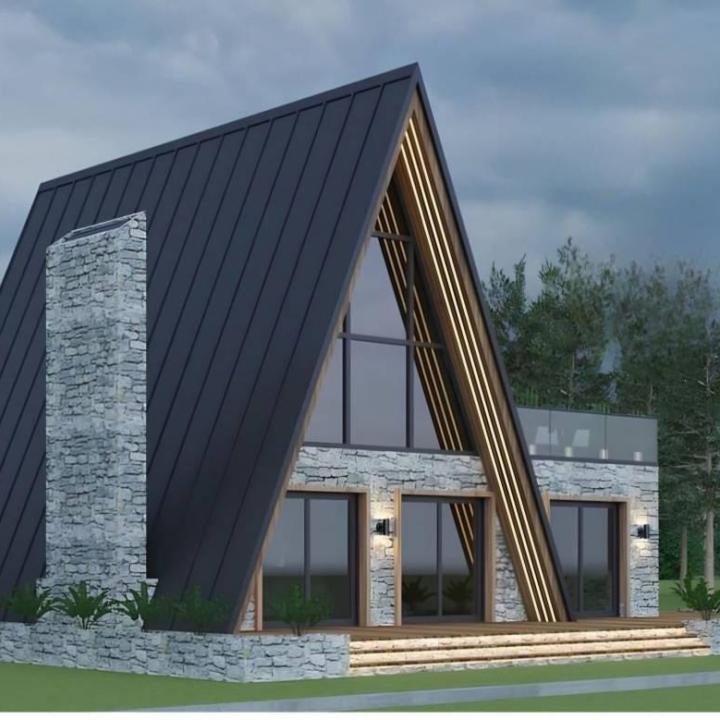
A-frame house plans — simple roofline, minimal exterior materials
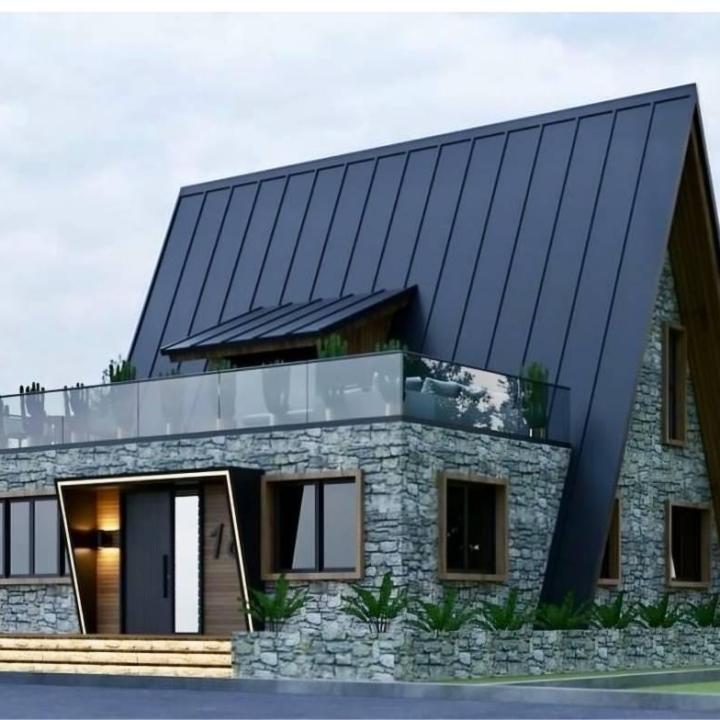
Cabin house plans — classic and highly customizable
Tiny house plans — ultra-efficient for tight budgets
Modern house plans with clean lines and low-waste geometry
Compact house plans that eliminate unnecessary rooms
Choosing ready to build house plans saves time and reduces design fees. Many of these plans are specifically created to minimize waste, simplify construction, and use standard-size materials.
2. Choose a Smaller Footprint to Cut Costs
Why Smaller Means Cheaper
Every additional square foot increases cost—not only in materials but long-term heating, cooling, and maintenance. That’s why budget-friendly cabins often fall into the small house plans or tiny house plans categories.
Smart Size Ranges
Tiny cabins: 300–500 sq. ft.
Small cabins: 600–1,000 sq. ft.
Mid-size cabins: 1,000–1,400 sq. ft. (still budget-friendly for families)
Even small cabins can feel spacious with smart design choices like open floor plans, vaulted ceilings, and house plans with loft for extra sleeping space.
3. Simplify the Structure for Lower Labor and Material Costs
Not all architecture is equally affordable. Choosing a design that’s simple to construct will dramatically cut costs.
Most Cost-Efficient Structures
A-frame cabins
Fast assembly
Roofing becomes the exterior walls
Minimal framing needed
Simple rectangular cabins
Fewer corners = less material waste
Easier foundation work
Single-story or lofted homes
Cheaper than multi-level
Lofts add space without adding a full second floor
Prefab or modular-ready designs
Shorter build time
More predictable pricing
Many vacation cabin house plans are already optimized for DIY or quick labor, helping you save thousands.
4. Pick Budget-Friendly Materials That Last
You don’t need luxury finishes to create a cozy retreat. Cost-effective materials can still look beautiful and perform well.
Affordable Material Options
Metal roofing — long-lasting and low maintenance
Engineered wood siding — durable and cheaper than natural wood
Pine or cedar interior panels — budget-friendly rustic look
Vinyl windows — affordable and efficient
Laminate or treated plywood flooring — stylish and durable
If you prefer a rustic feel, log cabin plans can be affordable too—especially if you use milled logs or timber kits instead of hand-cut logs.
5. Save Money With DIY House Building (Where Possible)
Don’t Be Afraid to Get Hands-On
You don’t need to build the entire cabin yourself to save money. Strategic DIY tasks can greatly reduce labor expenses.
DIY Tasks Most Owners Can Handle
Painting
Installing flooring
Assembling kitchen cabinets
Simple landscaping
Interior wall paneling
Building decks and porches
For bigger tasks like electrical, plumbing, or foundation work, hiring professionals ensures safety and code compliance.
Pro Tip:
Cabins designed for DIY house building often come with illustrated instructions and material lists to make construction easier.
6. Use a Loft to Add Space Without Extra Cost
Many builders skip a second floor due to cost—but adding a loft is one of the most economical ways to gain space.
Why Lofts Are Cost-Effective
They use existing roof structure
They provide extra sleeping or storage
They make small cabins feel larger
They reduce the need for full-height framing
This feature is common in mountain cabin plans, a frame house plans, and many cozy house plans.
7. Plan for Efficient Heating, Cooling & Energy Use
Monthly expenses matter just as much as construction costs. A well-insulated, efficient cabin saves you money long-term.
Ways to Reduce Utility Costs
Choose double-pane windows
Use spray foam or rigid insulation
Include passive solar window placement
Opt for mini-split heating/cooling
Add a wood stove for backup heating
Energy-smart features are especially helpful for cabins in forest, lake, or mountain areas where winters can be cold.
8. Build in Stages to Spread Out Costs
You don’t have to finish everything immediately. Many budget-conscious homeowners build the essentials now and add extras later.
Stage-by-Stage Ideas
Build the core cabin first
Add a deck next year
Finish the loft later
Upgrade kitchen cabinets when budget allows
Add outbuildings like sheds or saunas over time
This phased approach keeps your upfront expenses manageable.
9. Choose Land That’s Build-Friendly
Land can be the biggest hidden cost when planning a cabin. Before buying property, consider what it will cost to make the site build-ready.
What to Look For
Level or gently sloped land
Good soil for simple foundations
Driveway access
Proximity to utilities (water, electric, septic)
No major tree removal required
Choosing the right lot often saves more than choosing cheaper materials.
10. Consider Prefabricated or Modular Cabin Kits
Cabin kits are becoming extremely popular in the United States for their speed, affordability, and simplicity.
Why Kits Save Money
Pre-measured materials reduce waste
Faster build = lower labor cost
DIY-friendly instructions
Options for modern, rustic, or A-frame styles
Many companies offer kit-based ready to build house plans that fit perfectly with tiny house plans, mountain cabin plans, or cozy house plans.