The Best Compact Cabin + Tiny House Hybrid Designs
Why Choose a Compact Cabin + Tiny House Hybrid?
Hybrid designs blend the best of both worlds. You get the warmth, charm, and outdoor appeal of a cabin house plan with the space efficiency and affordability of tiny house plans.
Some of the advantages include:
Affordability: Smaller footprints reduce material and labor costs, making affordable house plans accessible.
Versatility: Perfect for permanent homes, vacation cabin house plans, or off-grid retreats.
Energy Efficiency: Compact layouts reduce heating and cooling requirements.
DIY-Friendly: Many hybrid designs are suitable for DIY house building, allowing hands-on customization.
Whether you’re designing a weekend escape or a full-time residence, hybrid designs offer flexibility and charm without excess.
Popular Hybrid Styles
Hybrid designs come in a variety of shapes and styles. Here are some of the most popular:
A-Frame Tiny Cabins
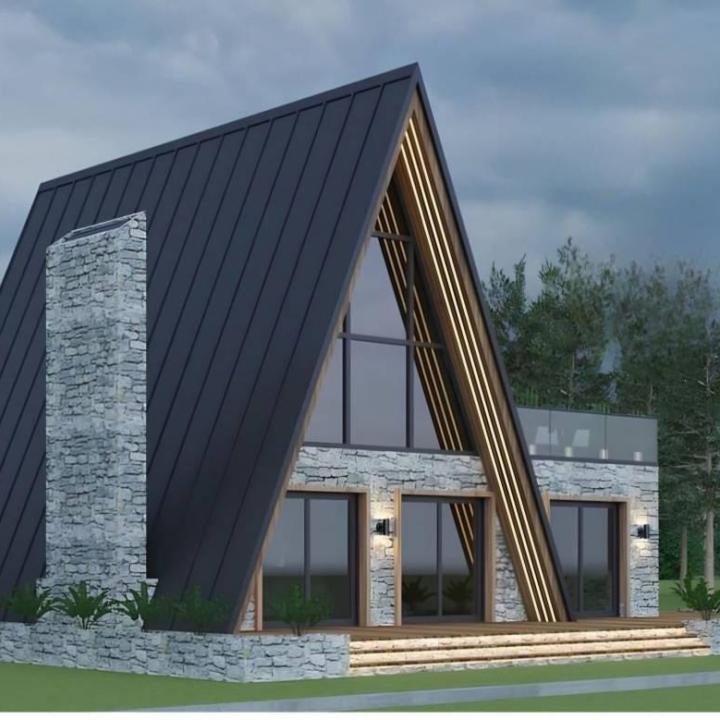
A-frame house plans are iconic for their triangular structure. Hybrid A-frames often feature:
Lofted sleeping areas (house plans with loft) to maximize space
Open-concept living areas for a spacious feel
Large windows for natural light and scenic views
These designs are ideal for mountain cabin plans or forest retreats, offering a functional and visually appealing layout.
Log Cabin + Tiny House Combos
Rustic log cabin plans can be adapted to small footprints to create hybrid designs. Features include:
Natural wood interiors for a cozy atmosphere
Compact kitchens and living spaces for efficiency
Outdoor decks or porches for added space
Hybrid log cabins combine classic charm with modern compact house plans, perfect for cozy house plans or seasonal getaways.
Modern Tiny Cabin Designs
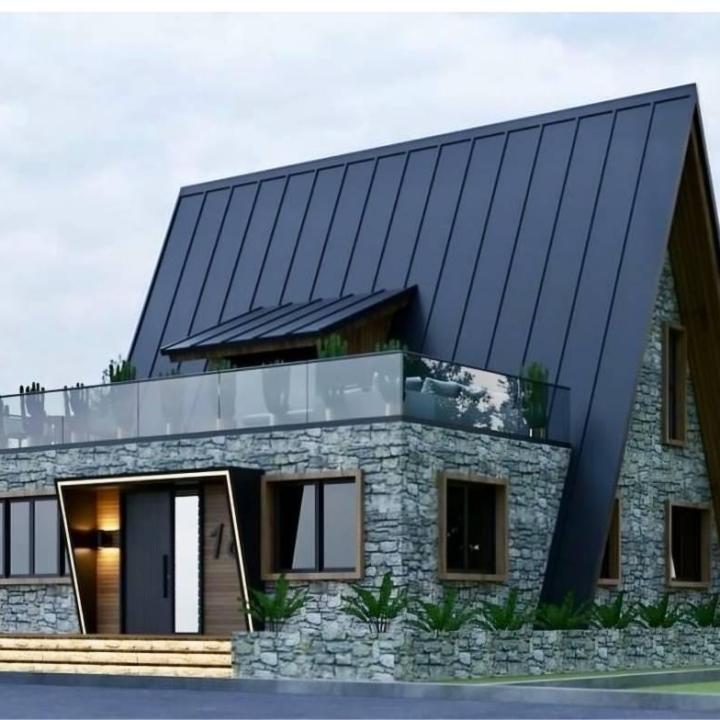
For those who prefer sleek, contemporary aesthetics, modern house plans adapted for hybrid use offer:
Minimalist layouts for open, airy interiors
Energy-efficient materials and large windows
Multi-functional furniture and smart storage solutions
Modern hybrids are well-suited for small house plans on urban or rural lots, balancing style and function.
Key Features to Consider in Hybrid Designs
When selecting or customizing a hybrid design, certain features enhance comfort and usability:
Lofted Areas: Sleep or storage lofts free up main floor space.
Open-Concept Layouts: Combine living, kitchen, and dining areas efficiently.
Outdoor Spaces: Porches, decks, or patios expand living areas and connect to nature.
Energy Efficiency: Insulation, windows, and compact layouts reduce utility needs.
Flexible Furniture: Foldable or built-in pieces increase functionality in tiny house plans.
These features make a hybrid cabin both cozy and practical, even with limited square footage.
Cost Considerations and Affordable Options
Hybrid designs are often more affordable than traditional homes but require careful planning to stay within budget. Consider these strategies:
Use ready-to-build kits:Ready to build house plans simplify construction and reduce waste.
DIY house building: Labor can account for 30–50% of building costs, so doing it yourself saves money.
Prioritize essentials: Start with a functional core structure and add upgrades later.
Reclaimed materials: Using salvaged wood or windows reduces costs while adding character.
Hybrid designs typically range from 400 to 800 square feet, providing enough space for comfort while remaining affordable.
Ideal Locations for Hybrid Cabins
Selecting the right site enhances both aesthetics and functionality:
Forest retreats: Compact designs blend with nature and offer privacy.
Mountain homes: Steep roofs of A-frame house plans shed snow efficiently.
Lakeside or riverside: Outdoor decks enhance water views and recreation.
Backyards or small rural lots: Urban or suburban hybrid designs can maximize limited space.
The location influences the choice of materials, insulation, and layout for year-round comfort.
DIY House Building Tips for Hybrids
Building a hybrid cabin yourself is achievable with proper planning:
Follow detailed blueprints: Stick to well-designed compact house plans or hybrid tiny house plans.
Prepare the site: Level terrain, ensure proper drainage, and consider a sturdy foundation.
Invest in quality tools: Circular saws, drills, and scaffolding make construction safer and easier.
Plan utilities early: Decide on water, electricity, and waste solutions before construction.
Leverage online communities: Forums, tutorials, and social media groups provide invaluable guidance.
DIY projects can be cost-effective and rewarding, allowing customization of your hybrid design to fit your lifestyle.
Combining Comfort, Style, and Function
Even with limited space, hybrid cabins can be beautiful and practical:
Rustic elements: Exposed beams, wood paneling, and stone accents create warmth.
Modern efficiency: Open layouts, large windows, and minimalistic furniture make spaces feel larger.
Multipurpose design: Lofted beds, storage benches, and foldable tables optimize every inch.
Connection to nature: Decks, porches, and large windows extend living spaces outdoors.
By thoughtfully combining these elements, hybrid cabins can meet both aesthetic and functional goals for full-time or seasonal living.