How to Maximize Space with Smart Small House Plans
Why Space Optimization Matters in Small Homes
Small homes — especially those under 1000 sq. ft. — are increasingly popular across the United States. Rising construction prices, sustainability goals, and a desire for simpler living encourage people to downsize without sacrificing comfort. But to make these homes livable long-term, smart planning is essential.
Good tiny house plans and affordable house plans focus on how people actually use their homes. By choosing the right layout from the beginning, homeowners can enjoy efficient, clutter-free living, whether the home is in the mountains, near a lake, or part of a suburban backyard project.
Key Principles for Maximizing Space
1. Open-Concept Layouts Create Instant Breathing Room
Open floor plans are one of the most effective ways to make a small home feel larger. By removing unnecessary walls, rooms flow together naturally and light fills the space more effectively.
Benefits of Open Layouts:
More natural light throughout the home
Easier movement between kitchen, living, and dining areas
Space feels less boxed-in
Flexible furniture arrangement
This design style is common in modern house plans, cabin house plans, and even vacation cabin house plans, where homeowners want simplicity and warmth.
2. Lofts Add Space Without Increasing Footprint
A loft is one of the smartest ways to expand space in a small home. Whether used for sleeping, storage, or a reading nook, lofts help maximize vertical height.
Why Homeowners Love Lofts:
Great for tiny homes or A-frame structures
Takes advantage of tall ceilings
Adds functional square footage
Keeps the main floor open and clean
Many a frame house plans and mountain cabin plans already include loft options because the steep roofline naturally supports them. If you’re looking for house plans with loft, consider whether you want a full loft, partial loft, or low-height sleeping loft.
3. Flexible, Multi-Use Rooms Are Essential
Rooms that serve multiple purposes can double your usable living area. This approach is especially popular in cozy house plans, where every inch counts.
Examples of Multi-Use Spaces:
A dining table that transforms into a workspace
A sofa that doubles as a guest bed
A loft used for both storage and sleeping
A mudroom that includes laundry appliances
This flexibility is ideal for DIY house building, as it allows homeowners to customize the home based on daily needs.
4. Smart Storage Keeps the Home Clutter-Free
Hidden and built-in storage solutions ensure that small homes stay organized and spacious.
Great Storage Ideas for Small Homes:
Under-stair drawers or cabinets
Built-in shelving around windows
Bed frames with built-in compartments
Narrow pantry shelves
Wall-mounted foldable desks
Hidden closets under loft ladders
Good compact house plans often integrate these solutions so homeowners don’t need to rely on bulky furniture.
Design Features That Make Small Homes Feel Bigger
1. Large Windows and Natural Lighting
Lighting affects perceived space. Homes with big windows — especially those found in A-frames and cabins — feel dramatically larger and more open.
Best Lighting Strategies:
Floor-to-ceiling glass walls in A-frame designs
Skylights to brighten lofts
Sliding glass doors instead of standard doors
Windows on opposite walls for cross-breeze and brightness
These features are common in modern house plans, as well as vacation cabin house plans built in scenic locations.
2. Vertical Space Matters More Than Floor Space
Small homes feel larger when vertical space is used creatively.
Ways to Maximize Vertical Space:
Tall shelving units
Hanging storage in kitchens
Vertical shiplap or paneling for height
Full-height cabinets in kitchens or bathrooms
A-frames and cabins naturally benefit from tall walls and steep ceilings, making them ideal for storage-heavy living.
3. Outdoor Living Spaces Expand Your Footprint
A well-designed porch, deck, or patio significantly increases functional square footage — without increasing your home’s cost.
Outdoor Features That Add Big Value:
Wraparound deck (perfect for log cabin plans)
Covered porch for all-season use
Outdoor dining area
Firepit lounge zone
These work especially well for homes in forest, lake, or mountain settings, where outdoor living is part of the lifestyle.
Small House Plan Types That Maximize Space
1. A-Frame Homes
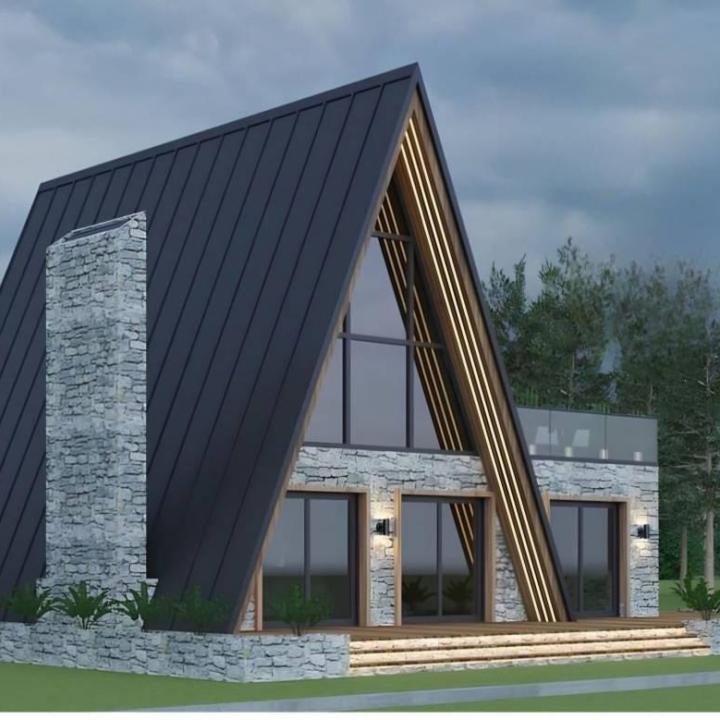
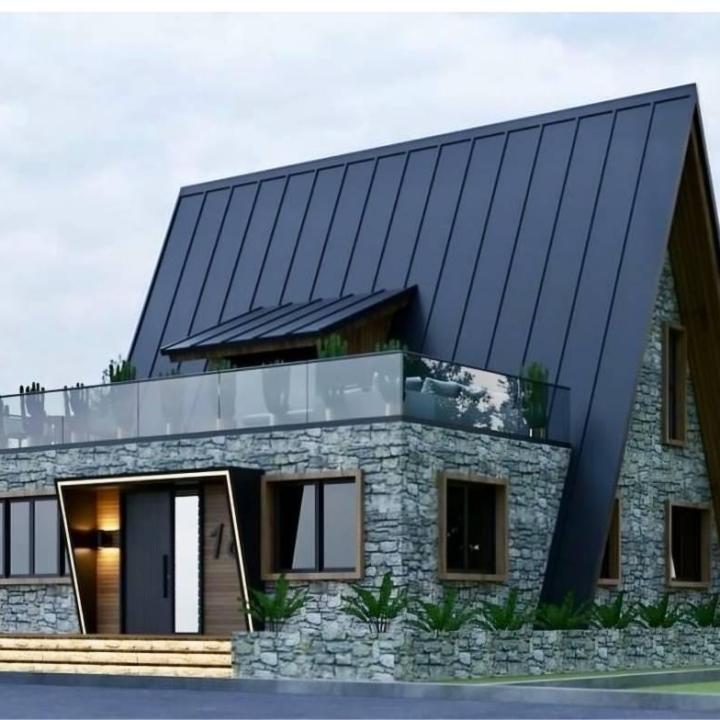
A-frames are beloved for their simple structure, timeless appeal, and incredible use of vertical space. Their steep roofline naturally supports lofts, and massive windows bring in abundant natural light.
A-Frame Advantages:
Great for snowy climates
Perfect for vacation homes
Ideal for loft layouts
Low-maintenance exterior
Many people choose a frame house plans because they’re also easy to customize and often come as ready to build house plans.
2. Cabin and Log Cabin Plans
Cabin lovers appreciate warm, rustic charm and efficient layouts. Many cabin designs make use of open floor plans, wraparound porches, and lofted bedrooms.
Best Features:
Cozy living rooms with fireplaces
Loft bedrooms
Outdoor porches
Simple rectangular layouts
These work beautifully for mountain cabin plans, forest properties, and rural retreats.
3. Tiny House Plans
Tiny homes continue gaining popularity for their affordability and creative use of space. Many include built-in seating, multi-purpose furniture, and spacious lofts.
Why They Maximize Space Well:
Designed for efficiency from the start
Use vertical storage
Often include lofts
Great for DIY-minded builders
Tiny homes also pair perfectly with DIY house building since they require fewer materials and less labor.
4. Compact Modern Homes
Modern small homes focus on clean design, open concepts, and efficient layouts that reduce wasted space.
Modern Design Principles:
Straight rooflines
Minimalist kitchens
Integrated storage
Large windows
These homes appeal to buyers wanting contemporary style within affordable house plans.
Practical Tips to Make Any Small House Feel Bigger
1. Keep the Color Palette Light
Whites, creams, and cool tones make rooms feel open and airy.
2. Use Mirrors Strategically
Mirrors reflect light and create the illusion of depth.
3. Choose Space-Saving Furniture
Think: wall-mounted desks, fold-out tables, and modular sofas.
4. Declutter Regularly
Clutter can make any size home feel cramped.
5. Use Sliding Doors
Pocket or barn doors save valuable floor space.