Why Log Cabin Plans Are Perfect for DIY Builders
The Appeal of Log Cabin Plans for DIY Builders
One of the biggest draws of log cabin plans is their accessibility. Unlike complex modern house plans, many log cabins are designed with straightforward construction in mind. For DIY builders, this simplicity can save both time and money.
Some benefits include:
Ease of assembly: Many log cabin plans are designed for step-by-step construction, making them ideal for those with limited building experience.
Cost-effective materials: Logs, whether natural or engineered, are often more affordable than traditional construction materials.
Durability: A well-built log cabin can last decades, standing up to harsh weather conditions, from snowy mountains to windy forests.
Aesthetic appeal: The timeless look of natural logs creates a cozy, rustic charm that’s hard to match with other materials.
For DIY enthusiasts, log cabin plans provide a balance of structure and flexibility. You can stick to the plan or customize features like lofts, porches, and extra windows to suit your lifestyle.
Types of Log Cabin Plans to Consider
When choosing a log cabin plan, it’s important to think about size, layout, and purpose. There’s a wide range of options to suit different needs:
Tiny and Compact Cabin Plans
For those who want a minimalist lifestyle or a weekend getaway, tiny house plans or compact house plans are perfect. These designs usually range from 300 to 800 square feet, focusing on efficient use of space. Features often include:
Lofted sleeping areas
Open-concept kitchens and living rooms
Multi-purpose furniture options
Tiny log cabins are perfect as vacation cabin house plans or backyard retreats where simplicity and affordability are key.
A-Frame and Mountain Cabin Plans
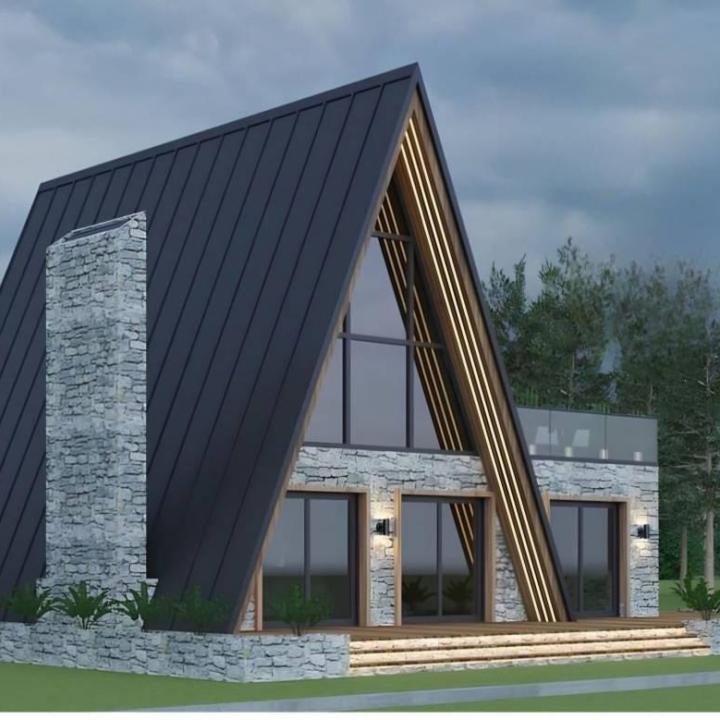
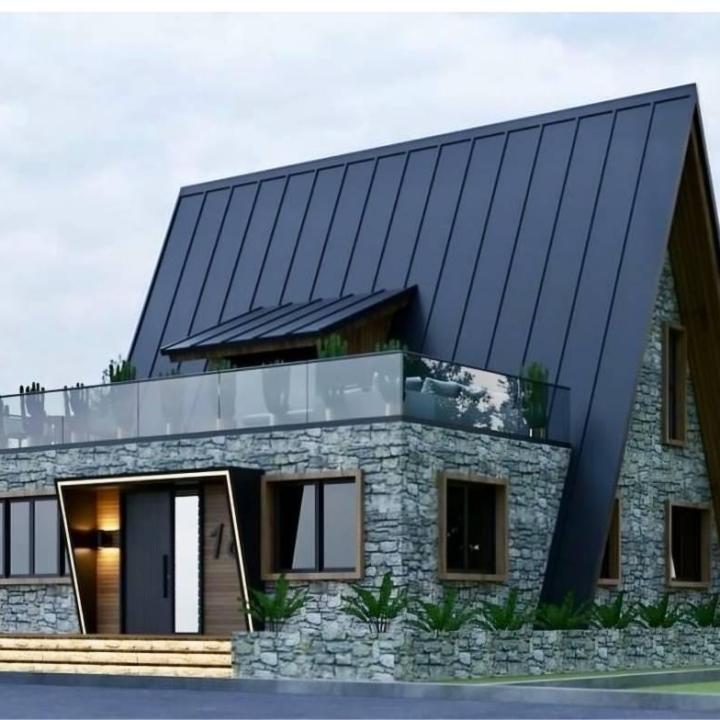
A-frame house plans are especially popular for mountain or forest locations. Their steeply pitched roofs prevent heavy snow accumulation and create a striking architectural silhouette. Meanwhile, mountain cabin plans often emphasize large windows, exposed beams, and natural stone elements to blend seamlessly with the surroundings.
Cozy House Plans with Loft
Many log cabin designs include a loft, offering extra sleeping or storage space without increasing the footprint of the home. House plans with loft options are ideal for:
Growing families
Guest accommodations
Creative spaces like studios or reading nooks
Why DIY Builders Prefer Log Cabin Plans
DIY house building can be intimidating, but log cabin plans make it approachable. Here’s why:
Step-by-Step Instructions
Most log cabin plans include detailed blueprints and construction guides. These step-by-step instructions help even first-time builders understand the process from foundation to roof.Affordable House Plans
By sourcing materials yourself and avoiding high labor costs, building a log cabin is often cheaper than purchasing a pre-built home. Some plans even highlight ready to build house plans that make ordering pre-cut logs easy and efficient.Flexibility for Personalization
Whether you want a rustic cabin, a modern house plan, or a hybrid of both, log cabin plans can be customized. DIY builders can add porches, decks, skylights, or insulation upgrades to match their needs.Sustainability and Natural Materials
Logs are a renewable resource, and building your own cabin allows you to minimize waste. Plus, log homes have natural insulating properties, helping reduce energy costs in both summer and winter.
Key Features to Look for in Log Cabin Plans
When selecting a plan, consider your goals, budget, and lifestyle. Key features include:
Square footage: Determine if you want a tiny cabin, a small house plan, or a full-sized retreat.
Layout efficiency: Open floor plans maximize space in compact designs.
Lofts and storage: Extra vertical space can provide much-needed storage or sleeping areas.
Outdoor integration: Decks, porches, and large windows make the most of scenic views.
Insulation and weatherproofing: Choose plans that provide guidance for energy efficiency and year-round comfort.
Practical Tips for DIY House Building
Building your own log cabin can be rewarding, but preparation is key. Keep these tips in mind:
Start Small: Begin with a tiny or compact house plan if you’re a first-time builder.
Check Local Regulations: Permits and zoning laws vary by state, so verify before you start.
Use Quality Materials: Whether you’re buying logs or engineered timber, invest in durable materials for long-term performance.
Plan for Utilities: Even cozy cabins need plumbing, electrical, and HVAC considerations.
Embrace Online Resources: Many DIY builders benefit from online tutorials, forums, and step-by-step guides.
Inspiring Locations for Your Log Cabin
The beauty of log cabin living is that it can fit almost anywhere. Consider these ideal locations:
Mountain retreats: Snowy peaks, hiking trails, and stunning views make mountain cabin plans irresistible.
Lakeside escapes: Tiny house plans with decks overlooking water are perfect for summer getaways.
Forest hideaways: A-frame and compact cabin designs blend naturally into wooded landscapes.
Backyard or rural lots: Affordable house plans can transform underused land into a cozy living space.
Bringing Modern Comfort to Rustic Designs
While traditional log cabins exude rustic charm, modern house plans are also possible. Some builders incorporate:
Energy-efficient windows and insulation
Contemporary kitchens and bathrooms
Open-concept layouts
Smart home technology
This combination ensures your log cabin feels timeless yet practical for everyday living.