Tiny House Plans That Prove Less Is More
Why Tiny House Plans Are Gaining Popularity
Across the U.S., tiny homes are growing in popularity for practical and lifestyle reasons. Rising construction costs, higher property taxes, and a desire for simpler, more intentional living have many people reconsidering large traditional homes. Choosing affordable house plans or ready to build house plans allows homeowners to minimize expenses while maximizing comfort.
Tiny living appeals to a wide audience:
DIY house building enthusiasts who want hands-on projects
First-time homeowners looking to break into the market affordably
Retirees downsizing for lower maintenance and bills
Nature lovers seeking mountain cabin plans or log cabin plans
Families looking for vacation homes with cozy house plans
With the right design, small homes can feel just as functional and stylish as much larger spaces.
Smart Design Principles for Small Homes
Maximizing space is the key to success in tiny homes. The best compact house plans prioritize flow, storage, and multi-functional areas.
Open-Concept Living
Open layouts are one of the easiest ways to make a small home feel spacious. Removing unnecessary walls allows natural light to flow and creates a sense of airiness.
Key features include:
Shared kitchen, dining, and living areas
Minimal interior walls
Large windows or sliding glass doors
Vaulted or high ceilings
This approach is popular in modern house plans, A-frame house plans, and vacation cabin house plans alike.
Multi-Functional Spaces
Small homes work best when rooms and furniture serve multiple purposes. Smart solutions include:
Fold-out or extendable tables
Convertible sofas or seating
Lofted bedrooms or storage areas
Staircase storage drawers
Many house plans with loft incorporate these ideas to maximize space without expanding the footprint.
Clever Storage Solutions
In tiny homes, clutter can make the space feel even smaller. Integrated and hidden storage is essential.
Some examples include:
Under-bed drawers and storage compartments
Built-in shelves around windows
Kitchen islands with cabinets
Hidden closets under loft stairs
These features are especially common in cozy house plans and compact house plans, where every inch counts.
A-Frame House Plans: Small but Dramatic
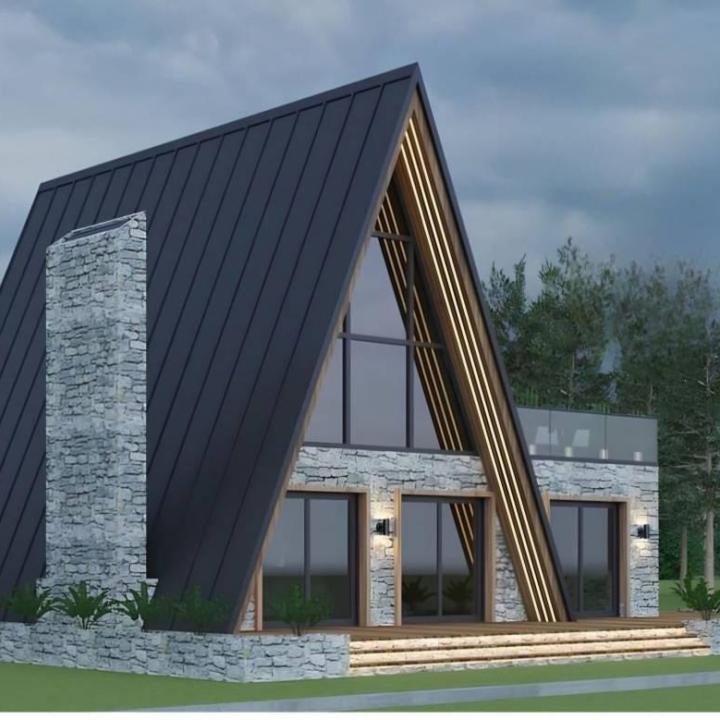
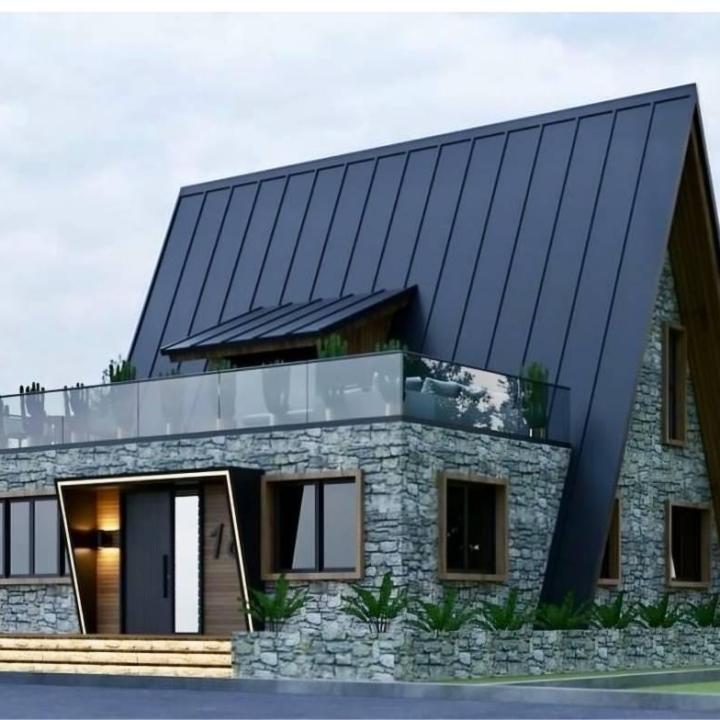
The A-frame has become an iconic tiny home style in the U.S., blending charm with practicality. Its steep roofline and geometric simplicity allow for lofted spaces and large windows that bring in natural light.
Why A-Frames Work for Small Spaces
Steep roofs shed snow easily, ideal for colder regions
Lofted ceilings give a feeling of openness
Simple construction suits DIY house building
They blend beautifully into forests, mountains, and lakesides
Most A-frame house plans range from 400–900 sq. ft. and often feature window walls, loft bedrooms, and open-plan living areas.
Features That Make A-Frames Ideal
Loft bedrooms for extra sleeping space
Wrap-around or front-facing decks
Large glass walls for natural light
Open living and dining areas
A-frame designs are perfect for anyone seeking a minimalist yet dramatic tiny home.
Cabin House Plans: Rustic Charm in a Small Footprint
Cabins remain a top choice for small homes, combining warmth, natural materials, and a connection to the outdoors. Cabin house plans range from traditional log cabins to modern interpretations.
Traditional Log Cabin Plans
Use exposed logs or timber framing for a classic feel
Provide excellent insulation for year-round comfort
Include cozy open-plan living areas
Range from 300–800 sq. ft.
These log cabin plans are ideal for mountain cabin plans or woodland retreats.
Modern Cabin Plans
Clean-lined wood exteriors
Open living areas and kitchen layouts
Large windows for natural light
Lofts or mezzanine sleeping spaces
Vacation cabin house plans often favor this modern approach, especially for rentals or seasonal homes.
Mountain Cabin Plans
Built to withstand harsh climates
Reinforced framing for snow or wind
Elevated decks to maximize views
Lofted bedrooms for efficient use of space
Mountain cabins are perfect for scenic areas and small lots where compact house plans are needed.
Tiny House Plans That Maximize Functionality
Tiny homes can be incredibly versatile. Well-designed tiny house plans make even a small footprint feel open and practical.
Efficient 1-Bedroom Layouts
Private ground-floor bedroom
Galley or L-shaped kitchen
Combined living/dining area
Small porch or deck
Loft-Style Tiny Homes
Sleeping lofts above living areas
Built-in stair or ladder storage
Open ceilings for visual space
Flexible lower-level furniture
Ultra-Compact Designs (Under 300 sq. ft.)
Perfect for backyard guest houses, Airbnb rentals, or solo living
Includes essentials: kitchenette, bathroom, and sleeping loft
Often paired with DIY house building projects
These layouts prove that even extremely small homes can be functional and stylish.
Choosing the Right Tiny or Cabin House Plan
Consider Your Location
A-frames work well in snowy or mountainous regions
Cabin plans thrive in forests or lakesides
Compact modern homes fit both rural and suburban settings
Factor in Budget
DIY builds: $25,000–$60,000
Professionally built tiny homes: $80,000–$150,000
Cabin or A-frame kits: $50,000–$120,000
Match Your Lifestyle
Loft or ground-floor bedroom?
Seasonal vs. full-time residence?
Hosting guests or rental potential?
Ready-to-Build Options
Many companies offer ready-to-build house plans, complete with:
Material lists
3D renderings
Step-by-step construction drawings
This makes DIY house building easier and faster for beginners.
Why Less Truly Is More
Living in a tiny home encourages intentional living. Homeowners often enjoy:
Lower bills and maintenance
Simplified daily routines
Reduced environmental footprint
Increased freedom to travel or spend time outdoors
Tiny homes, cabins, and A-frame designs prove that smaller spaces don’t mean sacrificing comfort, style, or functionality.