How to Use Ready-to-Build Plans to Save Time
Why Ready-to-Build Plans Are a Game-Changer
Ready-to-build plans offer immediate advantages for anyone looking to build a home, especially first-time builders and DIY enthusiasts. Instead of waiting weeks—or even months—for an architect to design from scratch, you can purchase a complete blueprint that’s already optimized for construction.
Key Advantages of Ready-to-Build House Plans
Save weeks of planning time by starting with finished architectural drawings
Lower design costs, making them ideal for affordable house plans
Avoid guesswork, since dimensions, layouts, and materials are already outlined
Get construction-ready documents, often approved by engineers
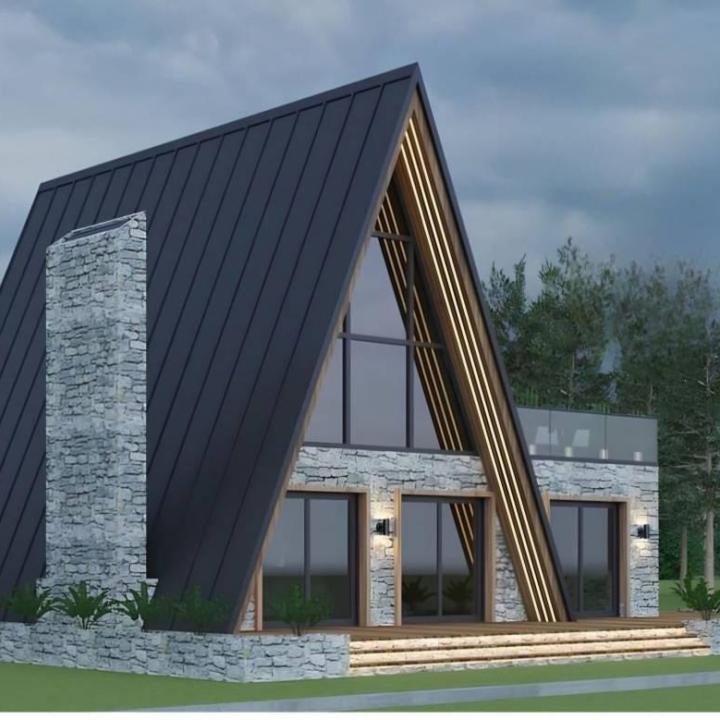
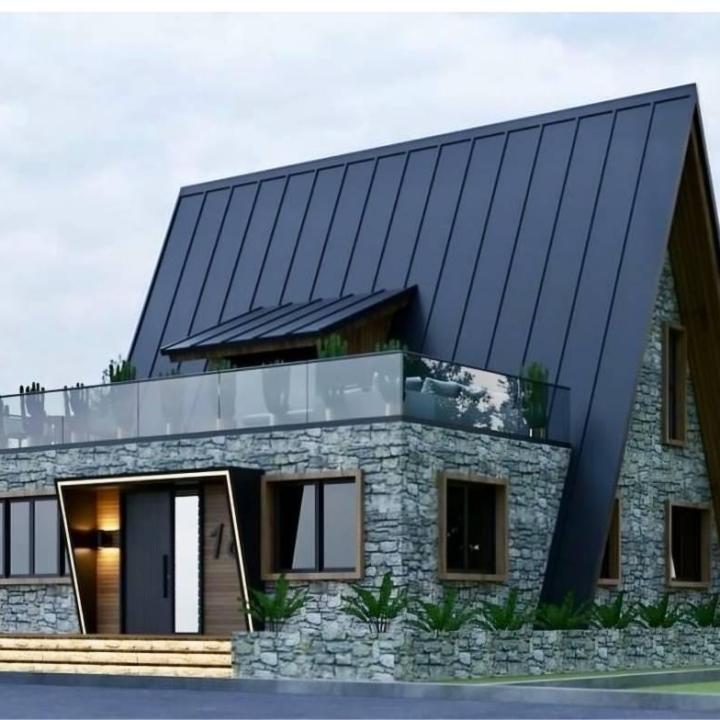
See the final home before you build, thanks to 3D renderings
For people searching for small house plans, cabin house plans, or modern house plans, ready-made options cover a wide range of styles and layouts.
How Ready-to-Build Plans Speed Up the Building Process
Choosing a ready-made blueprint streamlines nearly every stage of homebuilding. Instead of navigating endless design revisions, you start with a perfected plan and focus on personalizing it.
1. Faster Permits and Approvals
Most ready-to-build house plans are drafted to meet general U.S. building standards. That means your local builder or permitting office has an easier time reviewing them.
This alone can cut weeks off your pre-construction timeline—especially valuable when building in high-demand regions like mountain towns or lakeside communities.
2. Immediate Material Planning
Once you have the plan in hand, your contractor can quickly:
Estimate lumber and material needs
Identify what tools and labor are required
Create an accurate timeline
If you’re working with log cabin plans, mountain cabin plans, or vacation cabin house plans, this clarity helps you secure specialized materials before shortages occur.
3. Reduced Decision Fatigue
Choosing finishes is fun. Designing the entire structure from scratch? Not so much.
Ready-to-build plans eliminate hundreds of architectural decisions, helping you move forward confidently—especially if you’re building a cozy house plan for part-time living or a compact home for rental income.
What Types of Homes Work Best With Ready-to-Build Plans?
Some home styles naturally fit the ready-to-build approach better than others. These include compact homes, A-frame designs, and small cabin house plans—favorites among DIY builders and outdoor lovers.
A-Frame House Plans
A-frame homes are extremely popular because they’re:
Structurally simple
Compact and efficient
Perfect for snowy or forested areas
Ideal for weekend getaways or Airbnb rentals
Their triangular form means the engineering is already time-tested, making ready-made plans especially effective.
Cabin House Plans and Log Cabin Plans
Whether you're dreaming of a rustic log cabin or a sleek mountain cabin, pre-designed cabin plans:
Emphasize efficient square footage
Offer layouts suited for wooded or lakeside lots
Make DIY house building more realistic
Vacation cabin house plans also frequently include porches, lofts, and large windows—features already optimized in ready-made designs.
Tiny House Plans and Small House Plans
For those building on a budget or limited land, tiny and small home plans offer:
Smart space-saving layouts
Minimalistic, modern appeal
Lower material costs
The option to build solo or with small help
Tiny homes and compact house plans are among the most purchased ready-to-build plans in the U.S. because they reduce both cost and time.
Modern House Plans
If you prefer clean lines, open living areas, and large glass walls, ready-made modern plans are widely available and fully buildable without architectural delays.
How to Choose the Right Ready-to-Build Plan
With thousands of designs available online, choosing your future home may feel overwhelming. But following a few key steps can help you narrow down the perfect design quickly.
1. Determine Your Ideal Size
Ask yourself:
How many square feet do I really need?
Will this be a full-time residence or a vacation home?
Do I want an open layout or defined rooms?
If you’re unsure, small house plans between 500–1,200 sq. ft. are the most popular starting point in the U.S.
2. Consider Your Building Location
Mountain vs. lake vs. forest can determine:
Roof pitch
Window placement
Foundation type
Snow or wind load requirements
Mountain cabin plans usually include steeper roofs, while lake cottages may prioritize panoramic windows.
3. Decide on Must-Have Features
Common favorites include:
House plans with loft (great for A-frame and cabin designs)
Wraparound porches
Vaulted ceilings
Second-story sleeping nooks
Open kitchens
Make a list of non-negotiables and compare them across plan options.
4. Pick a Style That Reflects Your Lifestyle
You might prefer:
Cozy house plans that feel warm and intimate
Modern house plans with clean lines
Rustic log cabin plans with timber details
Compact house plans focused on efficiency
A-frame designs for adventure and minimalism
Choosing your style early helps you filter out thousands of irrelevant options.
5. Review the Blueprint Details
Before purchasing, always check:
Wall framing type (2x4 vs. 2x6)
Foundation options (slab, crawl space, basement)
Roof design
Material lists
Heating and cooling considerations
This step ensures the plan aligns with your property and local building codes.
Customizing a Ready-to-Build Plan (Without Losing Time)
One huge advantage of ready-to-build plans is that they’re customizable. Builders or drafting teams can make design changes quickly—usually much faster than designing from scratch.
Popular Modifications
Adding a loft or expanding an existing loft
Swapping a porch for a deck
Increasing window size for better natural light
Adjusting bedroom or bathroom layouts
Modifying the roof pitch for snow-heavy areas
Even small changes can transform standard cabin house plans into a personalized dream home.
Cost Benefits: Build Faster, Spend Less
Because the architectural work is complete, you save money upfront. But the savings continue throughout the project.
How Ready-to-Build Plans Reduce Costs
Lower architectural and engineering fees
Faster build times (less labor overall)
Fewer surprises during construction
Clear material lists that prevent overbuying
Reduced need for design revisions
For those seeking affordable house plans, these savings make a huge difference—especially when building small or cozy homes under 1,000 sq. ft.
Example Timelines: Ready-to-Build vs. Custom Design
| Process Step | Custom House Plans | Ready-to-Build Plans |
|---|---|---|
| Design Phase | 4–12 weeks | Immediate |
| Revisions | 2–6 weeks | 1–7 days |
| Engineering | 2–4 weeks | Often included |
| Permits | 2–6 weeks | Faster due to completed drawings |
| Construction Start | 2–5 months | Within weeks |
This is why so many DIY builders in the U.S. choose ready-to-build house plans—they simply save time.
Real-Life Example: A DIY Cabin Builder
Suppose you're planning to build a 600 sq. ft. cabin on a wooded lot in Montana. A custom plan might take months before you even break ground. But with ready-made mountain cabin plans, you could:
Buy the blueprint this week
Get materials estimated immediately
Submit plans for approval by next week
Start framing within one month
That’s the power of starting with a professionally designed, construction-ready plan.
Final Tips for Using Ready-to-Build Plans Effectively
Choose a reputable plan provider
Consult with a licensed contractor early
Verify local building codes
Order multiple copies of the plan
Ask about digital vs. printed sets
Review potential upgrades before construction begins