How Compact House Plans Save Money and Space
Why Compact House Plans Are Gaining Popularity
Compact homes offer a combination of affordability, efficiency, and modern appeal. Many Americans, from young couples to retirees, are rethinking what “home” truly needs to be. Instead of paying for unnecessary rooms or oversized layouts, buyers are choosing thoughtfully designed small house plans that maximize comfort and minimize waste.
Three major reasons are driving this shift:
Housing prices continue to increase nationwide
People want low-maintenance living
Outdoor-focused lifestyles (mountain, lake, forest) are becoming more popular
Because of these trends, affordable house plans, especially smaller models, are more relevant than ever.
How Compact House Plans Save You Money
Lower Construction Costs
Compact homes naturally require fewer materials, shorter labor time, and smaller foundations. This results in tremendous savings during the building stage.
Most ready to build house plans in the compact category range between 400 and 1,200 sq ft, and depending on location, many can be constructed for $80–$180 per square foot. That’s significantly lower than the national average for full-size homes.
Smaller builds also reduce:
Permit fees
Utility installation costs
Excavation and concrete expenses
This is especially beneficial for DIY house building projects, where owners want hands-on involvement and manageable scale.
Reduced Long-Term Expenses
Once you’re living in the home, the savings don’t stop. Compact homes deliver long-term cost reductions, including:
Lower energy bills
Minimal heating and cooling requirements
Less square footage to furnish
Cheaper property taxes in many states
Whether you’re using cabin house plans for a mountain retreat or modern house plans for a suburban corner lot, lower operating costs make compact homes extremely budget-friendly.
Affordable Land Options
Because compact homes require smaller building footprints, owners can buy modest parcels of land—sometimes under one acre—especially in rural or semi-rural settings. This makes them a great fit for:
Forest edge lots
Lakefront properties
Mountain areas
Narrow or irregular suburban lots
Compact homes pair especially well with mountain cabin plans or vacation cabin house plans, where the goal is to enjoy nature without overspending on land development.
How Compact House Plans Save Space
Compact homes aren’t just smaller—they’re smarter. Their layouts are engineered to use every inch efficiently.
Multi-Functional Rooms
One of the biggest advantages of compact design is the use of flexible spaces. A single room can serve several purposes:
Living room by day, guest room by night
Kitchen islands that double as work desks
Dining tables that fold against walls
This multi-use approach keeps homes open and airy.
Vertical Living & Lofts
Homeowners love house plans with loft, especially in A-frame or cabin-style homes. Lofts make excellent:
Sleeping areas
Reading nooks
Storage zones
Home offices
By building upward instead of outward, you gain additional living space without increasing the footprint.
Smart Storage Solutions
Compact homes often incorporate built-in storage to keep clutter away, such as:
Under-stair drawers
Window bench seating with compartments
Over-door shelving
Wall-mounted cabinetry
These small touches make cozy house plans feel bigger than they appear.
Outdoor Extensions
Compact homes frequently blur the boundary between indoors and outdoors. Decks, covered porches, and side patios create additional “living rooms”—especially valuable in scenic locations such as lakes or mountains.
This design approach is extremely common in log cabin plans, vacation cabin house plans, and A-frame builds, where outdoor views are a major selling point.
Popular Types of Compact House Plans
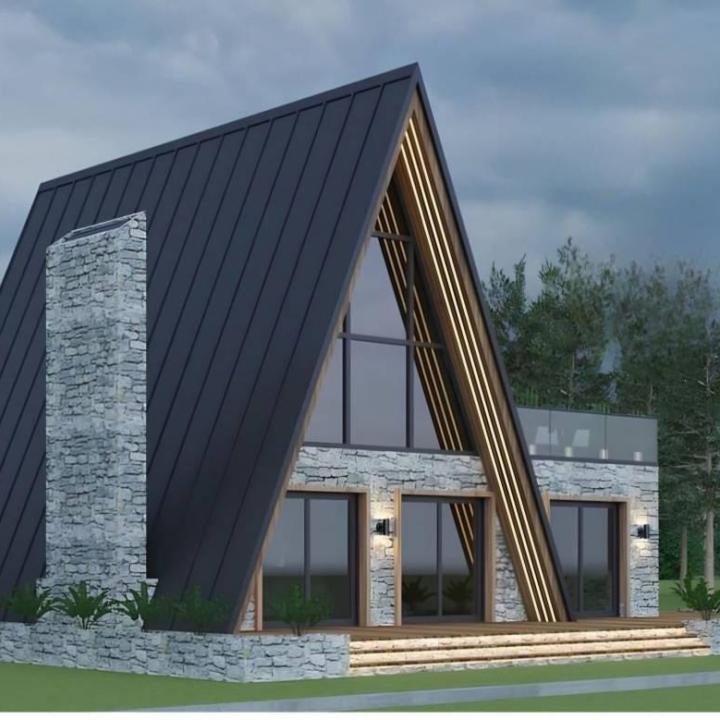
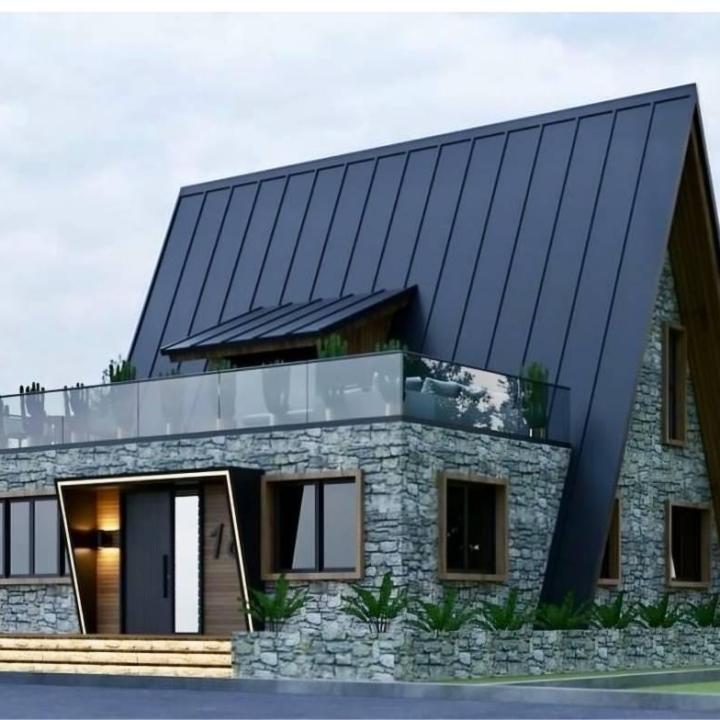
A-Frame House Plans
These triangular, sharply angled homes are loved for their simplicity and vintage charm. They are perfect for snowy or mountain areas where sloped roofs help shed snow easily. A-frames often include:
Open layouts
Large glass windows
Loft bedrooms
Minimalist footprints
They’re also ideal for Airbnbs, weekend retreats, or full-time living.
Tiny House Plans
For people seeking extreme simplicity, tiny house plans offer a lifestyle that is minimal, flexible, and often mobile. Many range from 150 sq ft to 400 sq ft and focus on hyper-functional living. They’re great for:
Off-grid living
Backyard guest houses
Budget-conscious homeowners
Cabin House Plans
Cabins—whether rustic log styles or modern hybrids—remain one of America’s favorite compact home styles. They work beautifully in:
Mountain regions
Forest settings
Lake-access areas
Modern cabin house plans may include large windows, open kitchens, and optional lofts, blending rustic charm with updated comfort.
Small House Plans for Everyday Living
Not everyone wants a tiny home, but many enjoy living in a more manageable footprint under 1,200 sq ft. These small house plans strike the perfect balance between affordability and long-term practicality.
Design Features That Maximize Savings
Simple Rooflines
Simple gable, shed, or A-frame roofs are cheaper to build and maintain. Intricate rooflines add thousands to construction costs.
Open Floor Plans
Fewer interior walls mean:
Less framing
Better ventilation
More natural light
A bigger feel without more space
Prefabricated or Ready-to-Build Options
Many homeowners choose ready to build house plans or even prefabricated kits to save time and labor. These options reduce stress and allow DIY builders to follow clear instructions.
Energy Efficiency
Compact homes typically feature:
Smaller HVAC systems
Fewer windows to heat or cool
Energy-efficient insulation
LED lighting
Every small choice adds up to major monthly savings.
Who Benefits Most from Compact House Plans?
Compact homes are popular among:
First-time homeowners
Retirees downsizing
DIY builders
Vacation home buyers
Eco-conscious families
Minimalist lifestyle followers
Whether you're planning mountain cabin plans for a retreat or a modern compact home for everyday living, there’s a perfect layout for every lifestyle.