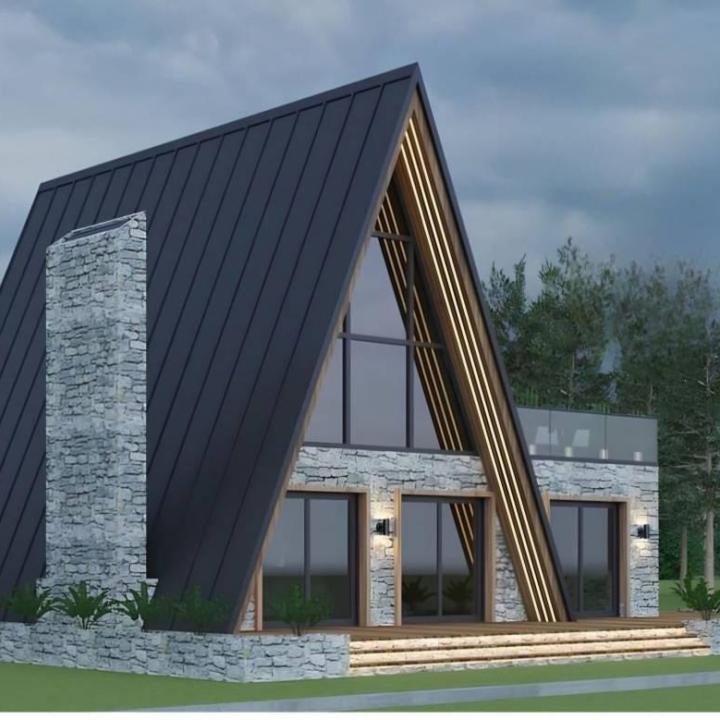
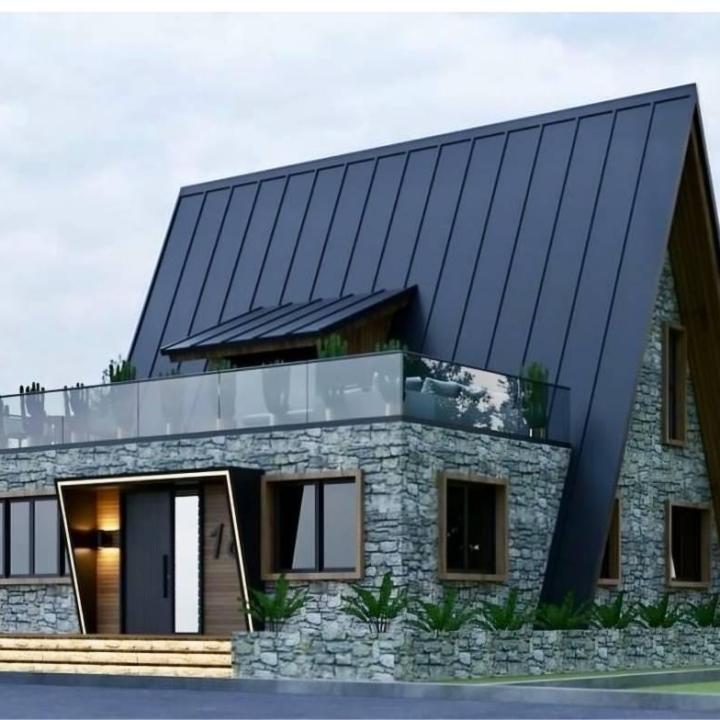
Best Mountain House Plans with Wood & Stone Aesthetics
Why Wood and Stone Are Perfect for Mountain Homes
Wood and stone have been used for centuries in mountain architecture, and for good reason. These natural materials blend seamlessly with forested slopes, rocky ridges, and alpine meadows.
Benefits of Wood and Stone
Durability: Stone provides a solid foundation and weather-resistant exterior, while quality wood withstands temperature fluctuations.
Natural insulation: Wood helps retain warmth, while stone can regulate interior temperature.
Aesthetic appeal: Combining these materials creates a cozy, rustic charm while allowing for modern interpretations.
Versatility: Works well with tiny house plans, compact house plans, or more expansive vacation cabin house plans.
The mix of wood and stone not only enhances visual appeal but also ensures your cabin remains comfortable year-round.
Choosing the Right Mountain Cabin Plans
Selecting mountain cabin plans is a critical first step. The layout, size, and style should align with your lifestyle, budget, and site conditions.
Popular Styles for Mountain Homes
A-frame house plans: Iconic and practical, these designs handle snow accumulation well and offer dramatic interior spaces.
Log cabin plans: Perfect for those who want rustic charm, exposed beams, and natural wood finishes.
Modern house plans: Emphasize open layouts, large windows, and clean lines for a contemporary mountain retreat.
Tiny house plans: Compact and efficient, ideal for DIY house building or weekend getaways.
Size Considerations
Small house plans: Cost-effective and easier to build, perfect for first-time builders.
Compact house plans: Efficient use of space with smart layouts and multifunctional rooms.
House plans with loft: Adds sleeping or storage areas without expanding the footprint, ideal for mountain sites with limited flat space.
Essential Features for a Wood & Stone Mountain Home
Creating a mountain home that is both functional and inviting requires attention to interior and exterior features.
Interior Design Tips
Fireplaces and wood stoves: A stone fireplace anchors the living space and adds warmth.
Exposed wood beams: Highlight the natural texture and beauty of timber.
Open-concept layouts: Encourage natural light and make small spaces feel larger.
Cozy house plans: Include reading nooks, built-in seating, and warm finishes for comfort.
Outdoor Living
Covered decks and patios: Expand living space and enjoy mountain views.
Large windows or sliding glass doors: Maximize sunlight and capture scenic landscapes.
Natural landscaping: Integrate native plants and stone pathways to complement the cabin design.
Functional Considerations
Energy efficiency: Proper insulation, wood stoves, or modern HVAC systems reduce energy costs.
Durable materials: Use rot-resistant wood and weatherproof stone for longevity.
Affordable house plans: Choose designs that balance beauty and budget without sacrificing quality.
DIY House Building vs. Hiring Professionals
Building a mountain cabin can be a rewarding DIY project or a professionally managed construction. Each option has its pros and cons.
DIY House Building
Cost savings: Labor can account for 30–50% of building expenses, so doing it yourself reduces overall costs.
Hands-on control: Customize every detail according to your vision.
Learning experience: Gain valuable skills and a sense of accomplishment.
Tips for DIY success:
Start with ready to build house plans to simplify the construction process.
Choose affordable house plans or small house plans to keep initial costs manageable.
Seek help from friends, family, or local workshops for challenging tasks.
Hiring Professionals
Expertise and efficiency: Professionals can navigate complex terrain and adhere to building codes.
Time savings: Construction progresses faster with experienced crews.
Reduced risk: Avoid costly mistakes with guidance from builders, electricians, and plumbers.
Inspiring Wood & Stone Mountain Home Ideas
No matter your style preference, wood-and-stone aesthetics offer endless possibilities. Here are some inspiring concepts:
Rustic Log Cabin: Stone foundation, exposed beams, wraparound porch, and warm interiors for a traditional feel.
Modern Mountain Retreat: Mixed wood and stone exterior with large windows, minimalist interiors, and sleek finishes.
A-frame Cabin with Loft: Steep roof, open loft for sleeping or storage, and compact design suitable for small lots.
Vacation Cabin House Plans: Smart layouts with multifunctional rooms and outdoor spaces for family getaways.
Each style proves that mountain cabin plans can be adapted to suit different tastes, whether you want rustic charm or contemporary flair.
Maximizing Space in Small Cabins
Even smaller cabins can feel spacious with thoughtful design:
Multifunctional furniture: Use sofa beds, fold-out tables, and built-in storage.
Open floor plans: Combine living, dining, and kitchen areas to enhance space.
Lofts and mezzanines: Add sleeping or storage space without increasing the footprint.
Natural light: Skylights and large windows make interiors feel airy and connected to nature.
These strategies are especially useful for tiny house plans and compact house plans where every square foot counts.
Budgeting for Your Mountain Cabin
Mountain homes can range from $50,000 for small DIY cabins to over $500,000 for larger custom homes. Smart budgeting tips include:
Prioritize affordable house plans without compromising essential features.
Use locally sourced wood and stone to reduce transportation costs.
Consider maintenance costs, particularly in harsh climates.
Factor in energy efficiency for long-term savings on heating and cooling.
Making Your Cabin Cozy and Inviting
The hallmark of a great mountain home is its ability to feel welcoming.
Layer textures: Combine stone, wood, and textiles for depth and warmth.
Add personal touches: Decor, artwork, and family heirlooms make the space feel lived-in.
Design conversation areas: Arrange seating around fireplaces or scenic windows.
Connect to nature: Provide easy access to decks, trails, or outdoor viewpoints.