How to Customize Small House Floor Plans for Your Needs
Why Customize Small House Plans
Even with a well-designed cozy house plan, no two homeowners have the same priorities. Customization ensures your home works perfectly for you. Benefits include:
- Maximized functionality: Tailor rooms for your unique lifestyle, hobbies, or family needs.
- Enhanced comfort: Adjust layouts to improve natural light, airflow, and room flow.
- Aesthetic personalization: Choose finishes, colors, and materials that reflect your taste.
- Future-proofing: Design flexible spaces that can adapt as life changes.
Customizing small homes is especially important for DIY house building or vacation cabin house plans, where every square foot counts.
Start with the Right Floor Plan
The first step is choosing a small house plan that provides a strong foundation. Look for features such as:
- Open-concept layouts: Open living, dining, and kitchen areas maximize perceived space.
- Lofted spaces:House plans with loft add sleeping, office, or storage areas without increasing footprint.
- Flexible rooms: Bedrooms, studies, or multi-purpose areas that can adapt as needed.
- Outdoor integration: Decks, patios, or porches expand usable space in mountain cabin plans or log cabin plans.
Once you identify a base plan, consider which elements must remain and which can be modified.
Practical Customization Strategies
1. Modify Room Sizes
In tiny house plans or compact house plans, adjusting room dimensions can make a big difference.
- Expand the living area for entertaining.
- Reduce bedroom size if you need more communal space.
- Enlarge bathrooms for comfort or accessibility.
- Add built-in storage to smaller spaces instead of increasing the footprint.
Even small changes in room proportions can enhance comfort without compromising overall efficiency.
2. Add or Remove Walls
Altering walls can dramatically change the feel of your home:
- Open walls between the kitchen, dining, and living room for a larger, more airy space.
- Add partial walls or dividers to create privacy in bedrooms or workspaces.
- Sliding or folding walls maintain openness while allowing separation when needed.
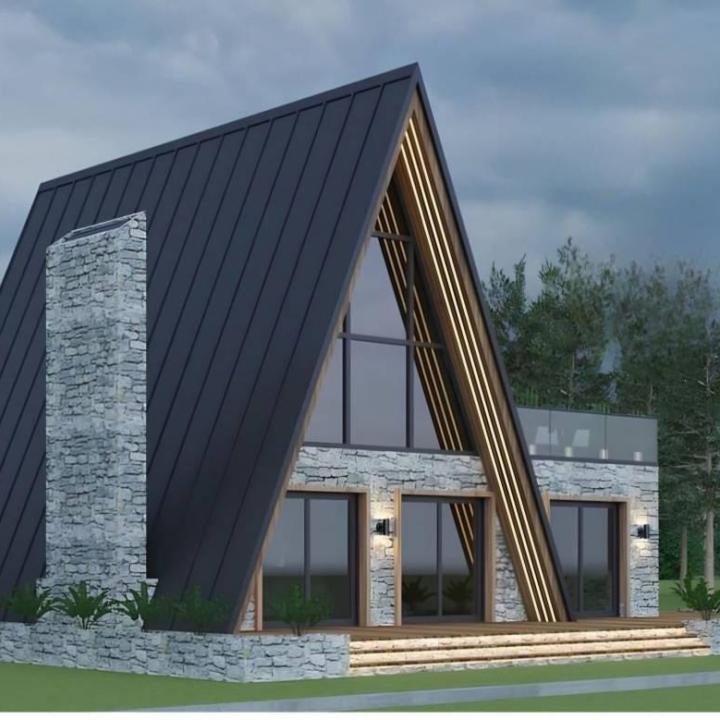
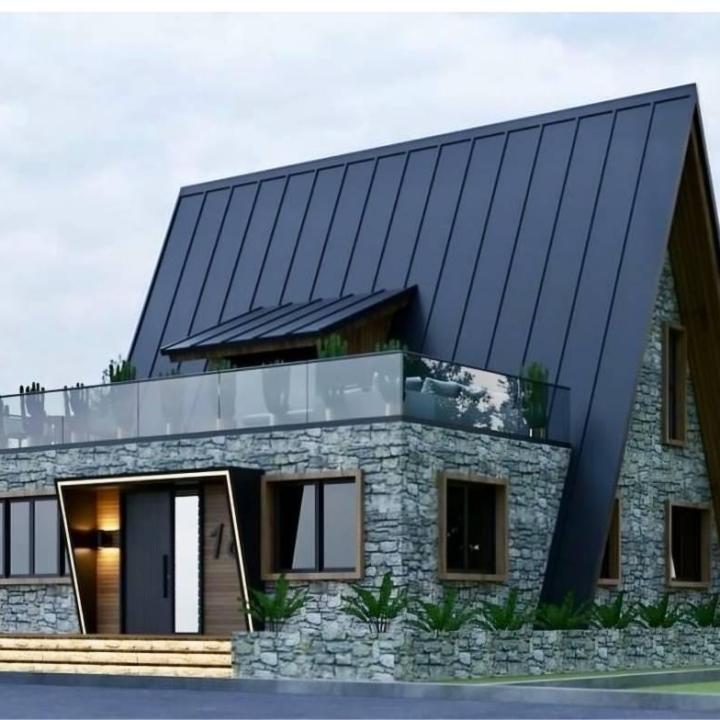
These modifications work well in A-frame house plans or log cabin plans, where vaulted ceilings already give a sense of spaciousness.
3. Incorporate Loft Spaces
House plans with lofts are ideal for small homes where vertical space is underutilized.
- Use lofts for bedrooms, home offices, or reading nooks.
- Add storage or built-in shelving under the loft area.
- Consider safety features like railings or retractable ladders.
Lofts can transform a 600 sq. ft. home into a multi-functional living space without increasing costs significantly.
4. Customize the Kitchen and Bath
Even in cozy house plans, kitchens and bathrooms benefit from thoughtful customization:
- Install space-saving appliances in compact house plans.
- Use open shelving to reduce visual clutter.
- Add a kitchen island with storage if space allows.
- Reconfigure bathrooms for accessibility or luxury touches, like walk-in showers or dual sinks.
Small adjustments in these areas can drastically improve daily usability.
5. Optimize Outdoor Spaces
Outdoor spaces are a natural extension of small homes. Consider:
- Adding a deck, patio, or porch to vacation cabin house plans.
- Using outdoor rooms as dining, living, or recreation areas.
- Incorporating sliding glass doors for indoor-outdoor flow.
- Planting low-maintenance greenery to enhance aesthetics without sacrificing space.
Outdoor customization is particularly effective in mountain cabin plans or forest retreats.
6. Focus on Storage Solutions
Storage is critical in tiny house plans and compact house plans. Creative strategies include:
- Built-in cabinets under stairs or lofts.
- Multipurpose furniture with hidden storage.
- Vertical shelving to maximize wall space.
- Integrated closets in bedrooms or hallways.
Clever storage ensures your home remains cozy and uncluttered, even in limited square footage.
7. Personalize Materials and Finishes
Customizing finishes can make a small home feel unique and stylish:
- Choose warm woods or rustic textures for log cabin plans.
- Select light, neutral tones in modern house plans to enhance perceived space.
- Incorporate stone or brick accents for character in cabin house plans.
- Add personal touches like artwork, shelving, or lighting that reflects your lifestyle.
The right materials enhance both comfort and aesthetic appeal without altering the floor plan.
8. Plan for Future Needs
Customization isn’t only about immediate needs—it’s about planning ahead:
- Leave space for future additions, like a sunroom or extra bedroom.
- Include multi-functional rooms that can evolve with changing lifestyles.
- Consider universal design features for accessibility in retirement years.
- Build energy-efficient systems that reduce long-term costs.
Planning ahead ensures your affordable house plans remain functional and valuable for years.
Tips for DIY Customization
- Consult a professional: Even small changes benefit from architectural advice.
- Prioritize functionality: Every modification should improve livability.
- Use software or models: Visualizing changes can prevent costly mistakes.
- Consider building codes: Ensure your customizations comply with local regulations.
- Balance aesthetics and efficiency: Style is important, but small homes must maximize function.
DIY house building projects are rewarding when changes are thoughtfully planned and executed.