Compact House Plans for Minimalist Lifestyles
Why Compact Living Is Gaining Popularity in the U.S.
Americans are shifting toward simpler living for many reasons: rising home costs, environmental awareness, and the desire to live more intentionally. Compact homes offer a practical and stylish solution.
The Advantages of Going Compact
Lower construction and maintenance costs
More efficient use of materials for affordable house plans
Ideal for DIY house building projects
Easier to heat, cool, clean, and furnish
Perfect for weekend rentals or vacation cabin house plans
Compact homes deliver everything you need—and nothing you don’t—making them especially attractive to downsizers, first-time homebuyers, and remote workers who want a peaceful retreat.
What Defines a Compact House Plan?
Compact house plans typically range between 300 and 1,000 square feet. But size alone isn’t what makes them special—their power lies in their intelligent design.
Key Principles of Compact House Plans
Efficient Layouts: Every square foot has a purpose.
Flexible Rooms: Spaces serve multiple functions (e.g., dining/office area).
Smart Storage: Built-ins, hidden shelving, and loft spaces maximize room.
Simplified Construction: Straightforward designs reduce costs and build time.
These principles make compact homes a natural match for minimalist lifestyles, especially when paired with modern house plans or rustic cabins.
Popular Design Styles for Compact Homes
Whether you prefer the warmth of cabin house plans or the dramatic geometry of a frame house plans, compact living can fit any style. Here are the most popular choices among U.S. buyers.
1. A-Frame Compact Homes
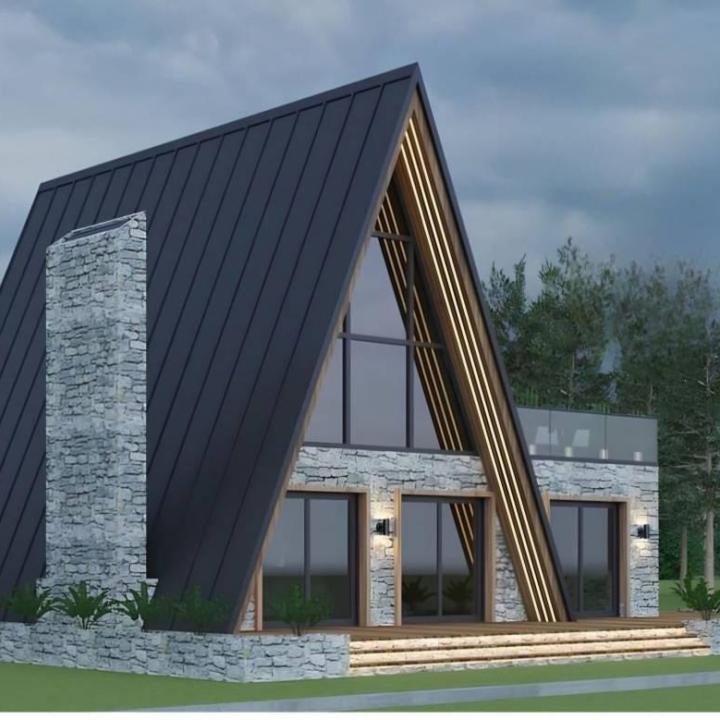
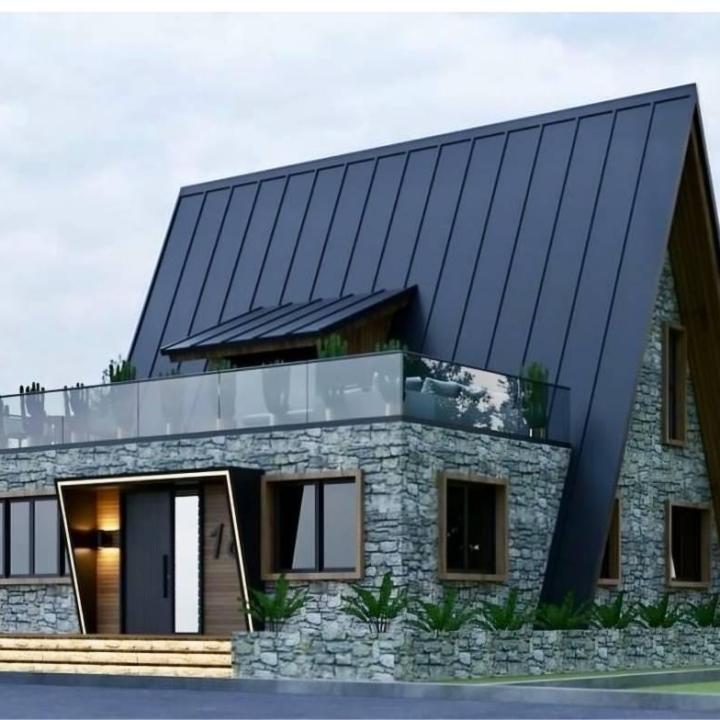
A-frame designs are visually striking and incredibly efficient. Their triangular shape simplifies the structure, while loft spaces stretch the usable area.
Why A-frame compact homes are trending:
Perfect for mountain cabin plans or lakeside retreats
Naturally energy-efficient due to simple rooflines
Fantastic for DIYers because of their straightforward framing
Ideal for adding house plans with loft for sleeping or storage
If you love vaulted ceilings, cozy corners, and stunning views, A-frames are an excellent compact option.
2. Modern Minimalist Cabins
Modern compact cabins combine the simplicity of traditional structures with sleek, updated design elements.
Typical features include:
Clean, boxy shapes
Floor-to-ceiling windows
Open living/kitchen areas
Minimal ornamentation
These cabins work beautifully in forested, coastal, or desert landscapes.
3. Traditional Small Cabins and Log Homes
For those who prefer a more rustic aesthetic, log cabin plans and small timber homes offer charm and character in a compact footprint.
These designs often include:
Natural wood interiors
Stone or wood-burning stoves
Wraparound porches
Loft bedrooms or bunk areas
Traditional cabins are especially popular among outdoor enthusiasts seeking a simple retreat in the mountains or woods.
4. Tiny House Plans on Trailers or Foundations
Tiny house plans are ideal for minimalists who want mobility or extreme affordability.
Benefits include:
Minimal utility costs
Flexibility to relocate
Simple DIY construction
Streamlined interiors focused on essentials
These homes typically stay under 400 square feet while still offering full kitchens, bathrooms, and loft sleeping areas.
Smart Layout Ideas for Minimalist Compact Homes
Designing a compact home starts with making smart choices. Below are layout trends that help maximize space without sacrificing comfort.
Open-Concept Living Areas
Compact small house plans almost always feature open layouts to create a spacious feel.
Typical features include:
Combined living, dining, and kitchen areas
Central island or bar seating
Minimal walls to improve flow and light
This approach is ideal for both permanent homes and vacation cabin house plans.
Multi-Functional Furniture
Minimalist homes benefit from pieces that serve multiple roles.
Examples include:
Storage beds
Fold-out desks
Convertible sofas
Dining tables that double as workspaces
These pieces help compact homes stay clutter-free and comfortable.
Loft Spaces for Sleeping or Storage
Lofts are extremely common in a frame house plans and other compact layouts.
Benefits of lofts:
Free up main-level space
Provide privacy without adding walls
Offer creative storage opportunities
Great for kid-friendly bunk areas
If you want more space without expanding your footprint, lofts are a must.
Efficient Kitchen and Bathroom Designs
Compact kitchens and bathrooms rely on strategic planning.
Tips include:
Use vertical space for storage
Choose compact appliances
Install walk-in showers instead of tubs
Opt for sliding doors to save floor space
These details help keep the home functional while maintaining a minimalist feel.
Choosing the Right Compact House Plan for Your Lifestyle
Selecting a house plan is easier when you know what features matter most. Consider the following factors when browsing ready to build house plans online.
1. Location and Environment
Your setting influences your design. For example:
Mountains: Choose steep roofs and insulated windows
Forests: Consider dark exteriors and durable materials
Lakesides: Large windows and deck spaces are ideal
Urban lots: Opt for vertical layouts and privacy-focused designs
Matching your home to its environment ensures longevity and comfort.
2. Intended Use
Ask yourself whether this compact home will be:
A full-time residence
A weekend getaway
A short-term rental
A DIY project to build with family
Your goals help determine layout, budget, and complexity.
3. Budget and Build Type
Compact homes naturally cost less, but design choices still matter.
Affordable options include:
Rectangular or A-frame footprints
Simpler rooflines
Fewer interior walls
Standard-quality finishes
DIY builders often choose plans under 600 square feet for faster, more manageable construction.
Sustainability Benefits of Compact Homes
Compact houses support sustainable living—an increasingly important priority for many Americans.
Eco-Friendly Advantages
Reduced construction waste
Lower energy usage
Smaller carbon footprint
More opportunities for off-grid systems
Many modern house plans now include solar-ready roofs, energy-efficient windows, and eco-conscious materials suited for long-term performance.
Creative Storage Ideas for Minimalist Living
Storage is a major concern for small-space living, but compact homes can be incredibly efficient with the right solutions.
Popular storage strategies include:
Under-stair drawers
Built-in shelving along sloped walls
Bed frames with compartments
Wall-mounted folding desks
High cabinets in kitchens and bathrooms
These ideas help maintain a clutter-free and minimalist environment.
How Compact Homes Support Minimalist Lifestyles
Compact living encourages intentional choices and a slower pace of life.
Minimalist Benefits
Less time spent cleaning and maintaining
Lower financial burden
Easier to stay organized
More focus on experiences and nature
Reduced stress and household clutter
Whether living full-time or part-time in a compact home, many people find the lifestyle deeply rewarding.
Are Compact Homes Suitable for Families?
Absolutely—especially when designed thoughtfully.
Family-Friendly Compact Features
Loft bedrooms for kids
Outdoor living areas for extra space
Bunk beds or multi-use furniture
Simple layouts ideal for supervision
Compact homes offer families the chance to reconnect, simplify, and spend more time outdoors.