Why Lofted Floor Plans Maximize Space in Tiny Homes
What Makes Lofted Floor Plans Ideal for Tiny Homes
Lofts are a clever solution for compact house plans, providing additional space without increasing construction costs or the home’s overall footprint. Here’s why they work so well:
Efficient use of vertical space: Lofts create a dedicated upper-level area for sleeping, storage, or recreation.
Open-concept living: By elevating certain areas, the main floor feels larger and more open.
Flexibility: A loft can serve multiple purposes, from a bedroom to a home office or reading nook.
Cost-effectiveness: Building a loft is often more affordable than adding a second story.
For homeowners exploring affordable house plans or vacation cabin house plans, lofted designs allow more functionality without compromising style or comfort.
Popular Styles of Lofted Homes
Lofts can be adapted to a variety of home designs, making them versatile across different styles.
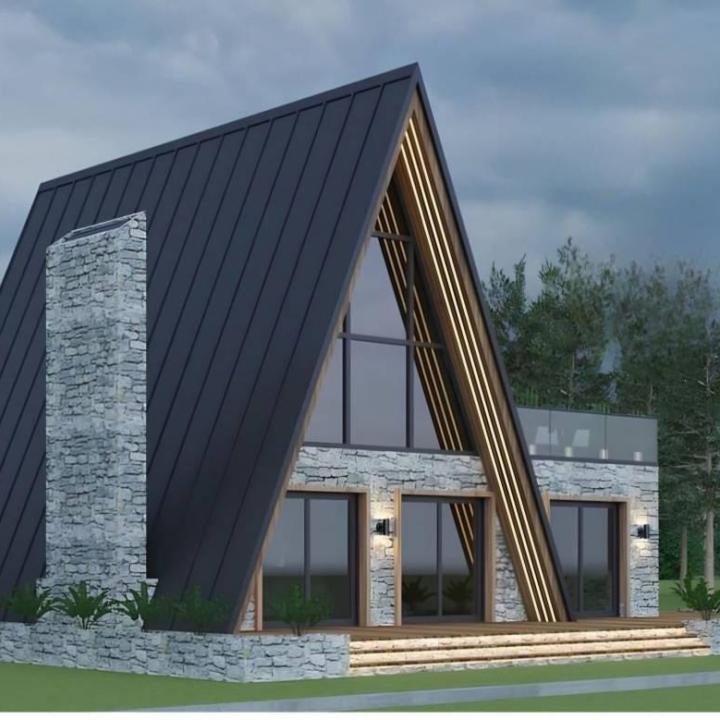
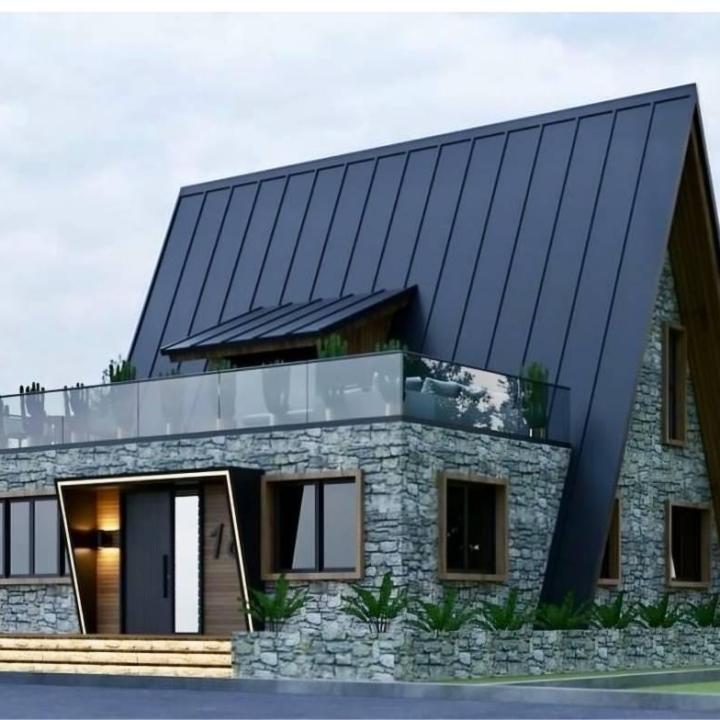
A-Frame House Plans
A-frame house plans are well-known for their steeply pitched roofs and cozy interiors. Lofts are a natural addition:
Provides a sleeping area above the main living space
Creates a sense of openness with vaulted ceilings
Offers scenic views through large front-facing windows
Mountain cabin plans often use this style to maximize space while taking advantage of natural surroundings.
Cabin House Plans
Cabin house plans and log cabin plans frequently feature lofts to expand sleeping or storage areas without enlarging the footprint. Benefits include:
Rustic charm with exposed beams and wood finishes
Flexible lofted bedrooms or office spaces
Open main floor for living and dining
Vacation cabin house plans often rely on lofts to accommodate guests while keeping the main floor free for communal activities.
Modern and Compact House Plans
Modern house plans with lofts combine efficiency with contemporary aesthetics:
Open-concept designs enhance airflow and light
Multifunctional lofts can serve as bedrooms, offices, or hobby areas
Ideal for compact house plans or tiny house plans in urban settings
These layouts often feature sleek finishes and modular furniture to maximize usability in limited spaces.
Creative Uses for Lofted Spaces
Lofted areas in tiny house plans aren’t limited to sleeping. They can serve a variety of functions:
1. Sleeping Quarters
Primary bedroom or guest space
Lofted bunk sleeping arrangements for families
Elevates sleeping areas, leaving the main floor open
2. Home Office or Study
A quiet workspace separate from living areas
Ideal for remote work or online learning
Can incorporate desks, shelving, and seating without taking floor space
3. Reading or Relaxation Nook
Cozy space for books or hobbies
Natural light from windows or skylights enhances comfort
Keeps main living areas uncluttered
4. Storage Solutions
Built-in shelving or under-loft cabinets
Frees up main floor storage space
Perfect for DIY house building projects where efficiency is key
5. Play or Hobby Area
Lofted playroom for children
Craft or art studio
Flexible space that can adapt as needs change
Design Tips for Maximizing Lofted Floor Plans
To ensure your lofted space is both functional and comfortable, consider these design tips:
Ceiling Height: Aim for at least 7 feet of headroom for comfortable use.
Safe Access: Stairs, ladders, or alternating tread steps should be secure and space-efficient.
Lighting and Ventilation: Windows, skylights, or vents improve air circulation and brightness.
Multifunctional Furniture: Foldable beds, storage benches, or modular desks optimize limited space.
Privacy Considerations: Partial walls or railings provide separation while maintaining openness.
These tips are especially important for tiny house plans and cozy house plans where every inch of space matters.
Benefits for DIY House Building
Lofted floor plans are particularly attractive to DIY house building enthusiasts:
Simplified construction: Lofts often require fewer materials than a full second floor.
Flexibility: Designs can be adjusted to meet evolving needs.
Increased functionality: More living space within a compact footprint
Aesthetic appeal: Lofted spaces add visual interest and charm to log cabin plans, A-frame house plans, or modern house plans
DIY builders can often complete lofted designs faster and at lower cost compared to full two-story homes.
Examples of Lofted Tiny House Plans
Here are a few popular ready to build house plans that effectively use lofts:
Classic A-Frame Loft Cabin
800–900 sq. ft.
Lofted bedroom, open living area, scenic windows
Ideal for mountain cabin plans
Compact Modern Loft Home
500–700 sq. ft.
Multi-purpose loft for office or sleeping
Perfect for urban compact house plans
Tiny Lakehouse with Loft
400–600 sq. ft.
Sleeping loft and deck overlooking water
Fits vacation cabin house plans
Rustic Log Cabin Loft
650–950 sq. ft.
Open lofted bedroom, rustic interior, porch or deck
Suited for log cabin plans or cozy house plans
These examples show how lofts can create functional, comfortable living spaces in small homes.