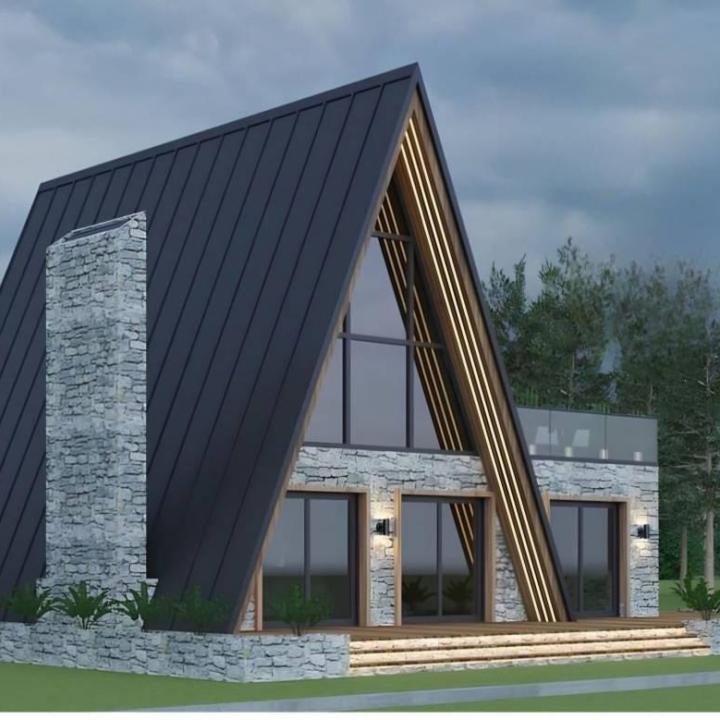
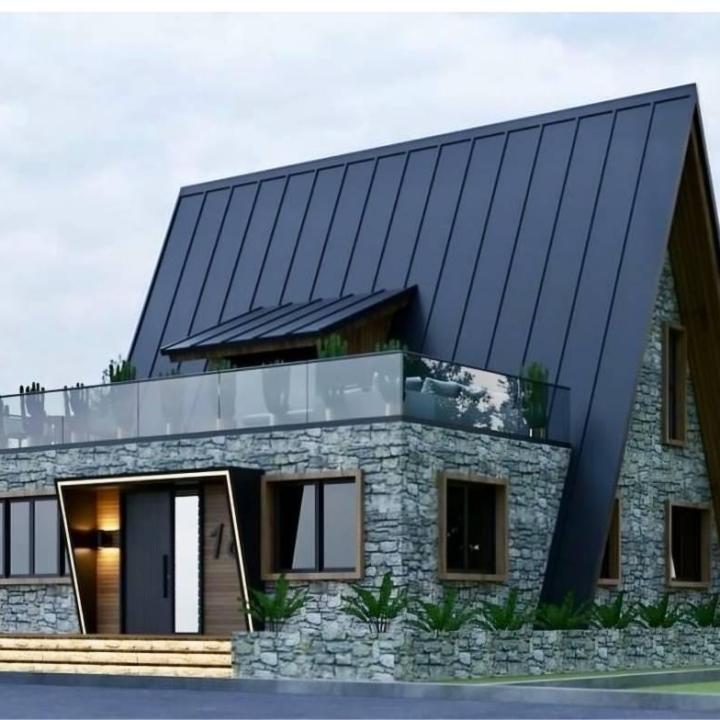
Soft House Plans Problem Solved — A Frame Home Plans Issues
Soft House Plans: Problem Solved — A Frame Home Plans Issues
Building from a frame home plans can be an exciting journey, but even the most elegant triangular design comes with its own set of challenges. From framing complexity to insulation gaps and local code hurdles, A-frame projects often face problems that can slow construction or increase costs. The good news? Most of these issues are predictable and solvable when you know what to look for early.
In this guide, we break down the most common A-frame home problems, explain why they happen, and show you how to fix them with practical, builder-tested solutions—so your project stays on track from concept to completion.
Why A-Frame Projects Face Unique Challenges
A-frames look simple, but their structure does double duty. The roof is also the wall, which means framing, insulation, windows, and code compliance all intersect in the same system. This overlap can create issues that don’t appear in traditional home designs.
Soft House Plans focuses on solving these problems at the planning stage by offering build-ready a frame plans that address structure, performance, and livability together.
Issue 1: Framing Complexity
The Problem
The steep rafters in a frame house framing must carry roof, wall, and sometimes floor loads at the same time. Incorrect spacing or undersized beams can lead to sagging, movement, or failed inspections.
The Solution
Use engineered beams for long spans
Follow 16” or 24” on-center rafter spacing
Add metal connectors at foundation anchors and ridge joints
Why This Works
Engineered components distribute loads more evenly, improving structural reliability and inspection approval rates.
Issue 2: Insulation Gaps and Heat Loss
The Problem
Because insulation runs along the roofline, any gap becomes a thermal leak. This can lead to high energy bills and uncomfortable interior temperatures.
The Solution
Install continuous insulation along rafters
Seal joints with foam and vapor barriers
Include ventilation channels to manage moisture
Real-World Tip
Many builders upgrade insulation even when using a frame cabin kits to improve long-term comfort and resale value.
Issue 3: Window and Door Placement Errors
The Problem
Large gable windows are beautiful, but they can weaken the triangular structure if not reinforced properly.
The Solution
Use properly sized headers and support studs
Limit oversized openings on load-bearing sections
Match window placement to structural zones in your a frame home design plans
Issue 4: Code Compliance Delays
The Problem
A-frames often trigger extra review from building departments because of their unconventional shape.
The Solution
Confirm snow and wind load requirements
Verify minimum ceiling heights and egress rules
Submit detailed framing and insulation drawings
How This Helps
Clear documentation speeds up permit approval and reduces costly revisions.
Issue 5: Limited Interior Space
The Problem
Sloped walls reduce usable floor area, especially in smaller designs like an a frame tiny house.
The Solution
Add lofts and mezzanines
Use built-in storage under stairs and low walls
Design multi-use rooms
These strategies make compact homes feel larger without increasing footprint size.
Issue 6: Budget Overruns
The Problem
Costs often rise due to underestimated labor, upgraded materials, or unexpected site conditions.
The Solution
Compare a frame plans and a frame home kit options early
Add a 10–15% contingency fund
Lock in material pricing where possible
A Frame Home Plans vs A Frame Kits: Problem Comparison
| Common Issue | Custom Plans | Kits |
|---|---|---|
| Structural Flexibility | High | Medium |
| Budget Predictability | Medium | High |
| Code Adaptation | High | Medium |
| Build Speed | Medium | High |
| Energy Customization | High | Medium |
Both methods work well when chosen based on site conditions and builder experience.
Common Mistakes to Avoid
Ordering a frame kit cabin before confirming permits
Skipping professional structural review
Ignoring insulation depth requirements
Placing large windows without reinforcement
Forgetting delivery and site access planning
Avoiding these mistakes can save weeks of delays and thousands in rework.
Problem-Solving Checklist
✔ Review a frame home plans for load paths
✔ Confirm local code and zoning rules
✔ Choose proper insulation system
✔ Reinforce all openings
✔ Budget for upgrades and contingencies
✔ Stage materials for efficient assembly
Practical Scenarios
Scenario 1: Cold Climate Build
A homeowner upgrades insulation and window glazing in their a frame home design after realizing heat loss would increase winter costs. The result: better comfort and lower utility bills.
Scenario 2: Small Lot Project
A builder adjusts loft height and window placement in a compact a frame tiny house to meet egress codes without expanding the footprint.
Soft House Plans Expert Insight
Most A-frame issues aren’t construction problems—they’re planning problems. When structure, energy performance, and local codes are addressed together in the design phase, the build becomes faster, cheaper, and far more predictable.
Final Thoughts
Every A-frame project faces challenges, but with the right a frame home plans, those challenges become manageable steps instead of costly surprises. By focusing on framing accuracy, insulation continuity, and code readiness, you can transform potential problems into a smooth, successful build.
Soft House Plans helps builders move from design to delivery with clarity—so your A-frame home isn’t just beautiful, but built to last.
FAQ
1. What is the biggest issue with A-frame homes?
Insulation gaps and framing errors are the most common problems.
2. Do A-frame kits solve most building issues?
They help with speed and consistency, but customization and energy upgrades are still important.
3. Are A-frames harder to get approved by inspectors?
Sometimes, because of their unique structure. Detailed plans make approval easier.
4. Can I fix problems after construction starts?
Yes, but it’s more expensive than addressing them in the design stage.
5. How do I improve resale value while solving issues?
Focus on energy efficiency, durable materials, and code compliance.
6. Should I hire an engineer for my A-frame?
For large builds or high-load areas, professional review is highly recommended.