Soft House Plans Mythbusting A Frame Home Plans Myths
Soft House Plans: Mythbusting A Frame Home Plans Myths
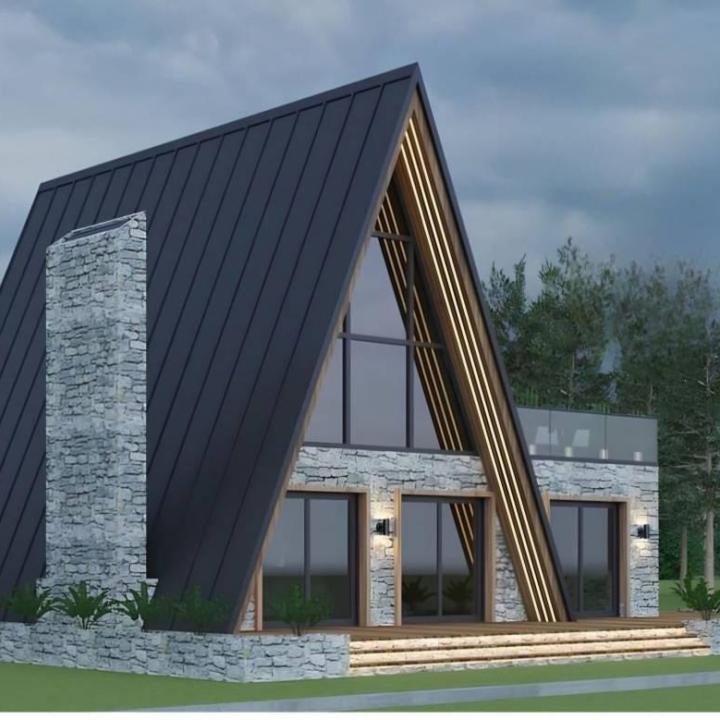
A frame home plans have grown in popularity thanks to their iconic shape, energy efficiency, and flexible design options. Yet despite their modern comeback, many homeowners still hesitate because of persistent myths and outdated assumptions. These misconceptions often come from older builds or incomplete information rather than today’s advanced design and construction standards.
In this guide, Soft House Plans breaks down the most common myths about A-frame homes and explains what actually happens in real-world projects. By understanding the facts, you can make confident, informed decisions before choosing your next home design.
Myth #1: A-Frame Homes Are Too Small to Be Comfortable
The Reality of Interior Space
Many people assume A-frames are cramped because of their triangular shape. In truth, modern a frame home design plans use open-concept layouts, vaulted ceilings, and smart zoning to create spacious, airy interiors.
How Designers Maximize Usable Area
Loft bedrooms to free up main-level living space
Built-in storage under sloped walls
Multi-purpose rooms for work, dining, and relaxation
With thoughtful planning, an A-frame can feel larger than a traditional rectangular home of the same footprint.
Myth #2: A-Frames Are Only for Cabins or Vacation Homes
From Weekend Retreats to Full-Time Living
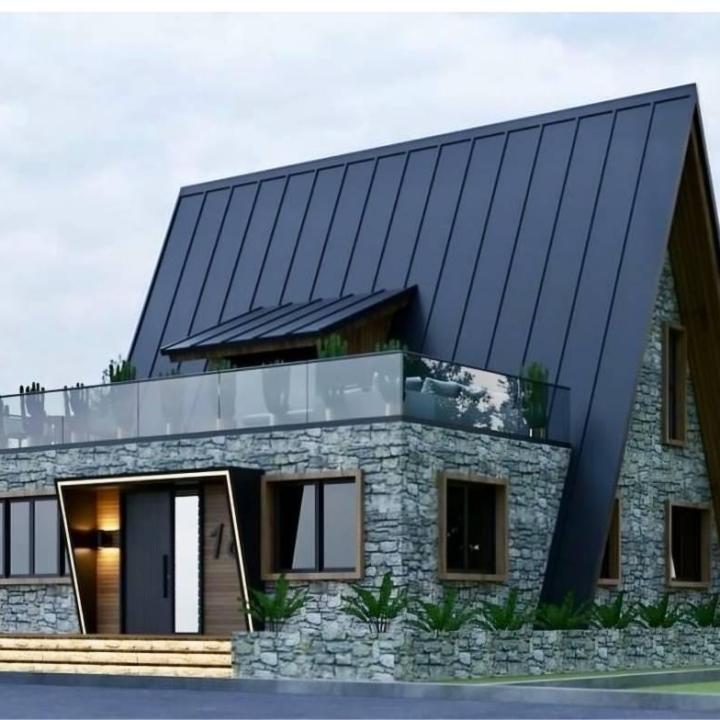
While A-frames started as popular cabin designs, today’s a frame plans include full-size family homes with multiple bedrooms, modern kitchens, and dedicated office spaces.
Real-Life Use Case
Many homeowners now choose A-frames for suburban or rural primary residences because they combine style, efficiency, and affordability in one design.
Myth #3: Building an A-Frame Is Complicated
Simplified Framing Systems
The structural design of a frame house framing is actually simpler than most traditional builds. The roof and walls are often one integrated system, reducing the number of complex framing components.
Kits vs Custom Builds
If you want even more simplicity, a frame cabin kits and a frame home kit options provide pre-cut materials and step-by-step instructions, making construction more approachable for owner-builders and small crews.
Myth #4: A-Frame Homes Are Not Energy Efficient
Natural Thermal Advantages
The steep rooflines reduce heat buildup in summer and improve airflow. When paired with modern insulation, A-frames can be highly energy efficient.
Smart Energy Design Tips
Use high-performance windows on sun-facing walls
Add continuous insulation along the roofline
Integrate solar panels into your roof slope
These strategies often outperform traditional home layouts in terms of energy use.
Myth #5: Furniture Doesn’t Fit in Sloped-Wall Homes
Custom and Modular Solutions
Sloped walls do limit standard furniture placement, but modern a frame home design includes built-ins, modular shelving, and custom cabinetry to solve this issue.
Practical Example
A reading nook built into a low-slope corner or a wardrobe designed to match the roof angle can turn “wasted space” into functional, stylish features.
Myth #6: A-Frame Kits Are Low Quality
What Kits Really Offer
A well-designed a frame kit or a frame kit cabin provides precision-cut materials, engineered components, and clear assembly guides. Quality depends on the provider, not the concept of a kit itself.
How to Evaluate a Kit
Check structural certifications
Review material specifications
Ask for example builds or customer references
Soft House Plans focuses on performance standards, ensuring durability and long-term value.
Myth #7: A-Frames Don’t Work for Small Lots
Compact Footprints, Big Impact
Thanks to their vertical design, A-frames are ideal for narrow or limited plots. A frame tiny house models are especially popular in urban-adjacent or eco-friendly developments.
Zoning-Friendly Design
Many local codes allow A-frames because they meet height and setback requirements more easily than wide, single-story homes.
A-Frame Plans vs Traditional Home Designs
Quick Comparison
| Feature | A-Frame Home Plans | Traditional Homes |
|---|---|---|
| Build Complexity | Low to Medium | Medium to High |
| Energy Efficiency | High | Medium |
| Design Flexibility | High | High |
| Material Use | Efficient | Higher |
| Visual Impact | Unique | Standard |
This comparison highlights why A-frames continue to attract homeowners looking for both style and performance.
Common Mistakes When Believing the Myths
What to Avoid
Choosing a plan without considering insulation needs
Ignoring furniture layout in early design stages
Underestimating zoning or permit requirements
Believing these myths can lead to poor design choices and unexpected costs.
Myth-Busting Checklist
Use this list before selecting your a frame home plans:
Confirm energy performance ratings
Review layout options for storage and furniture
Compare custom plans vs kits
Check local building codes
Evaluate long-term maintenance needs
Why Soft House Plans Focuses on Real-World Design
Soft House Plans emphasizes practical performance, not just aesthetics. By testing layouts against real site conditions, energy requirements, and lifestyle needs, their designs help homeowners avoid common misconceptions and build with confidence.
This mythbusting approach ensures your A-frame home isn’t just visually appealing—it’s functional, efficient, and built for long-term comfort.
Final Thoughts
A-frame homes are no longer niche structures for weekend getaways. With modern a frame home design plans, advanced materials, and flexible layouts, they offer a smart solution for full-time living, small lots, and energy-conscious homeowners.
By separating fact from fiction, you can move forward with a clear understanding of what A-frames truly offer—and how Soft House Plans can guide you through every step of the process.
FAQ
1. Are A-frame homes expensive to build?
Costs vary, but many A-frames are more affordable due to simpler framing and efficient material use.
2. Can I customize an A-frame kit?
Yes. Many kits allow layout, window, and insulation upgrades to match your needs.
3. Do A-frames hold up in extreme weather?
Their steep roofs and solid framing make them strong in snow, wind, and rain when built correctly.
4. Are A-frames suitable for families?
Absolutely. Multi-bedroom designs and loft spaces make them practical for full-time family living.
5. Do sloped walls reduce property value?
Not necessarily. Unique architecture and energy efficiency often increase buyer interest.
6. How long does it take to build an A-frame?
Depending on size and complexity, builds can range from a few months to under a year.