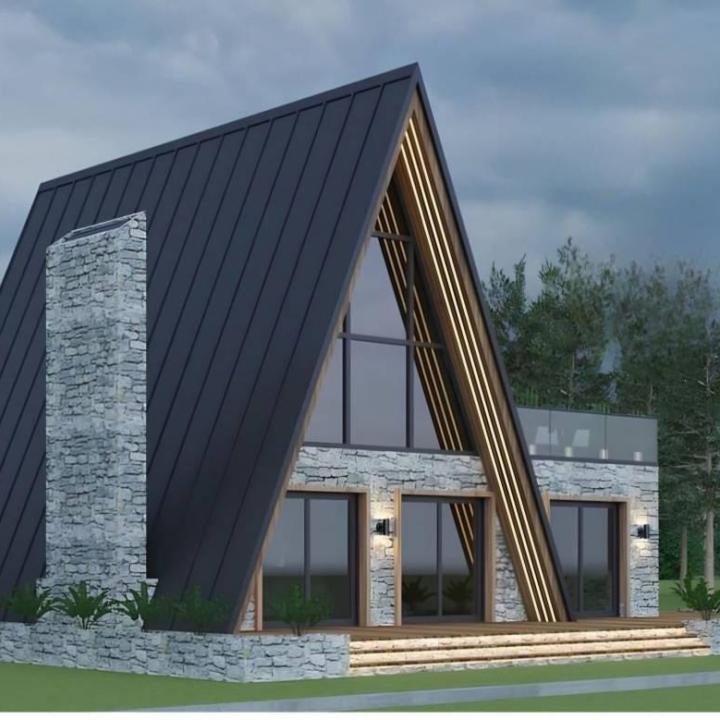
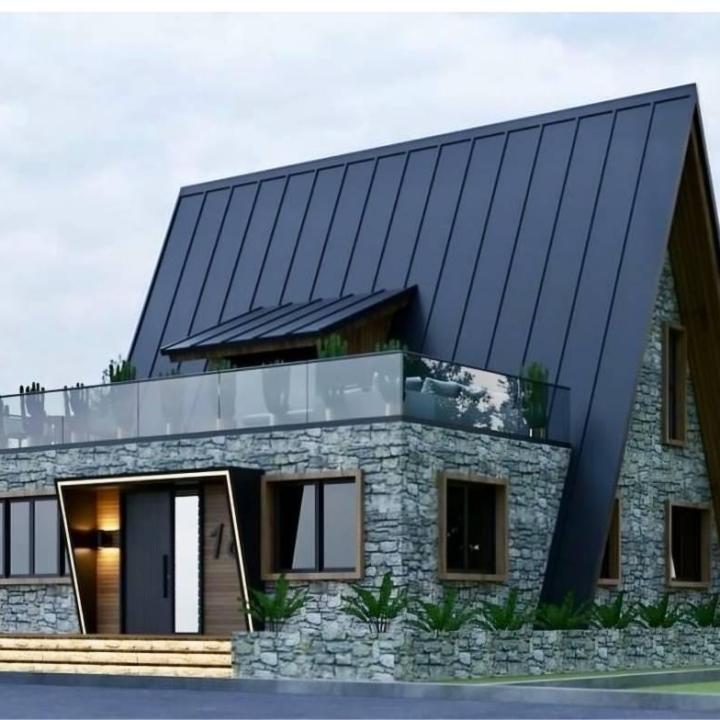
Soft House Plans Budgeting Your A Frame Home Plans Project
Soft House Plans: Budgeting Your A Frame Home Plans Project
Planning the budget for your A Frame home plans project is one of the most important steps toward turning a beautiful design into a realistic, buildable home. Whether you’re a first-time builder or an experienced homeowner, understanding where your money goes helps you avoid surprises, control costs, and make smarter design decisions. This guide walks you through every major expense—from land and materials to labor and long-term efficiency—so you can build with confidence and clarity.
Why Budgeting Matters for A Frame Homes
An A-frame may look simple, but costs can add up quickly without a structured plan. Because the roof doubles as the wall, materials, insulation, and framing choices have a bigger impact on both upfront and long-term expenses.
A well-planned budget helps you:
- Prevent mid-project delays
- Compare a frame plans and kits accurately
- Balance design features with affordability
- Forecast energy and maintenance costs
Soft House Plans focuses on helping builders align design flexibility with realistic financial planning.
Step 1: Define Your Project Scope
Before estimating numbers, clarify what you’re building.
Key Questions to Ask
- Is this a full-time residence, vacation home, or rental property?
- Are you choosing a custom A Frame home design or a pre-designed plan?
- Will you build from scratch or use a frame cabin kits or an a frame home kit?
The answers shape everything from permits to material quality and finishing levels.
Step 2: Land and Site Preparation Costs
Your land can significantly affect your total budget.
Typical Expenses
- Land purchase or lease
- Surveying and soil testing
- Clearing and grading
- Utility connections (water, power, septic)
Real-World Tip
A steep or remote site may increase foundation and delivery costs, even if your a frame tiny house design is modest.
Step 3: Choosing Between Plans and Kits
A Frame Home Plans
- Full design control
- Flexible layout and materials
- Higher design and labor costs
A Frame Kit / A Frame Kit Cabin
- Pre-cut materials
- Faster build timeline
- More predictable pricing
Soft House Plans often recommends comparing a frame home design plans with a kit option side-by-side to see which best fits your timeline and budget.
Step 4: Framing and Structural Budget
Framing is a major cost driver in any A-frame project.
What Influences Framing Costs
- Lumber vs engineered beams
- Rafter size and spacing
- Local labor rates
- Complexity of the a frame house framing layout
Cost-Saving Strategy
Using simplified framing layouts from proven a frame home design templates can reduce labor hours without compromising strength.
Step 5: Materials and Exterior Finishes
Core Materials
- Structural lumber or beams
- Sheathing (OSB or plywood)
- Roofing materials
- Windows and doors
- Siding or exterior cladding
Smart Upgrade Tip
Spending a little more on high-quality roofing and windows can lower long-term energy and maintenance costs.
Step 6: Interior Build-Out and Utilities
Interior costs vary widely depending on finishes and systems.
Budget Categories
- Plumbing and electrical
- Insulation and drywall
- Flooring
- Kitchen and bathroom fixtures
- Heating and cooling systems
An a frame tiny house may save on square footage, but high-end finishes can still push costs upward.
Step 7: Energy Efficiency and Long-Term Savings
Energy performance isn’t just about comfort—it’s about monthly expenses.
Efficiency Investments
- High-R insulation in rafters
- Energy-efficient windows
- Sealed framing joints
- Solar-ready electrical layout
Soft House Plans often integrates efficiency strategies directly into A Frame home plans, helping homeowners reduce lifetime operating costs.
Cost Comparison: Plans vs Kits
Feature | A Frame Home Plans | A Frame Home Kit |
Customization | High | Medium |
Upfront Cost | Moderate | Often Fixed |
Build Time | Longer | Faster |
Flexibility | Full Control | Limited |
Budget Predictability | Medium | High |
Both options can be cost-effective depending on your priorities and timeline.
Common Budgeting Mistakes to Avoid
- Underestimating permit and inspection fees
- Ignoring delivery and transport costs
- Skipping contingency funds
- Choosing designs that exceed local building codes
- Forgetting long-term energy expenses
Avoiding these pitfalls can protect both your timeline and your wallet.
A Frame Budget Checklist
✔ Choose between custom plans or a kit
✔ Confirm land and site prep costs
✔ Estimate framing and material expenses
✔ Include labor and contractor fees
✔ Add 10–15% contingency fund
✔ Plan for energy-efficient upgrades
✔ Budget for permits and inspections
Practical Budget Scenarios
Scenario 1: Budget Cabin Build
A couple chooses a compact a frame kit cabin for a wooded lot. They save on labor by assembling the structure themselves and invest in basic finishes. Result: Lower upfront cost with moderate long-term efficiency.
Scenario 2: Custom Family Home
A homeowner selects detailed a frame home design plans and hires professionals for framing and utilities. They spend more upfront but benefit from better insulation, layout flexibility, and resale value.
Soft House Plans Expert Insight
For most builders, the smartest approach is a hybrid model—using custom a frame plans with some pre-cut framing components. This balances creative freedom with predictable costs and shorter build timelines.
Final Thoughts
Budgeting your A Frame home plans project isn’t just about finding the lowest number—it’s about creating a realistic financial roadmap that supports your design, comfort, and long-term goals. By breaking costs into clear stages and comparing plans with kits, you can make informed decisions and build an A-frame home that fits both your vision and your budget.
If you’re ready to move forward, explore Soft House Plans for design options that combine affordability, efficiency, and modern A-frame style.
FAQ
1. How much should I budget for an A-frame home?
Costs vary by size, location, and materials, but having a detailed plan and a 10–15% contingency fund helps control surprises.
2. Are A-frame kits cheaper than custom plans?
Often yes, because materials are pre-cut and labor time is reduced, but customization is limited.
3. Can an A-frame be energy efficient?
Yes. With proper insulation, sealing, and window placement, A-frames can perform very well in different climates.
4. What’s the biggest hidden cost in A-frame projects?
Site preparation and utility connections are commonly underestimated.
5. Should I hire a contractor or DIY?
DIY saves money but requires time and skill. Many builders use professionals for framing and utilities.
6. Do smaller A-frames always cost less?
Not always. Premium materials and finishes can make a small build more expensive than a larger, basic one.