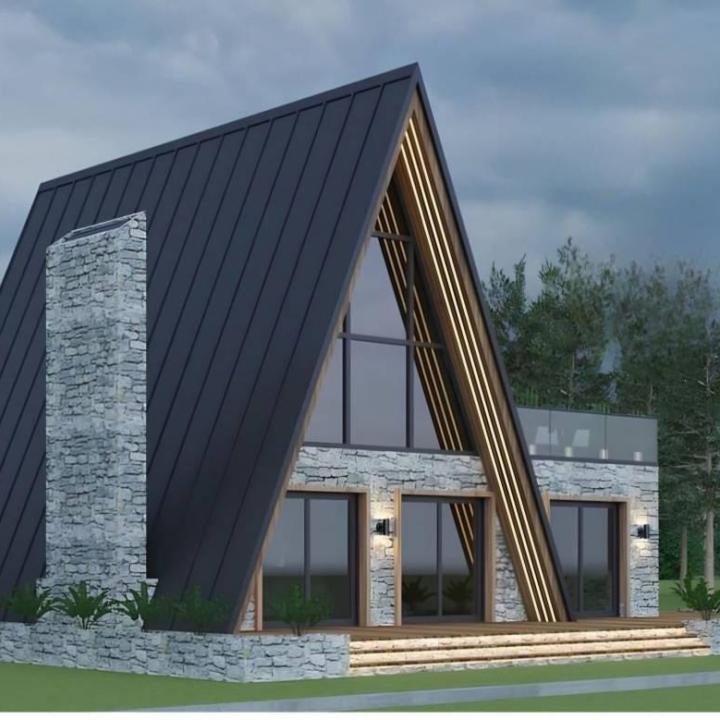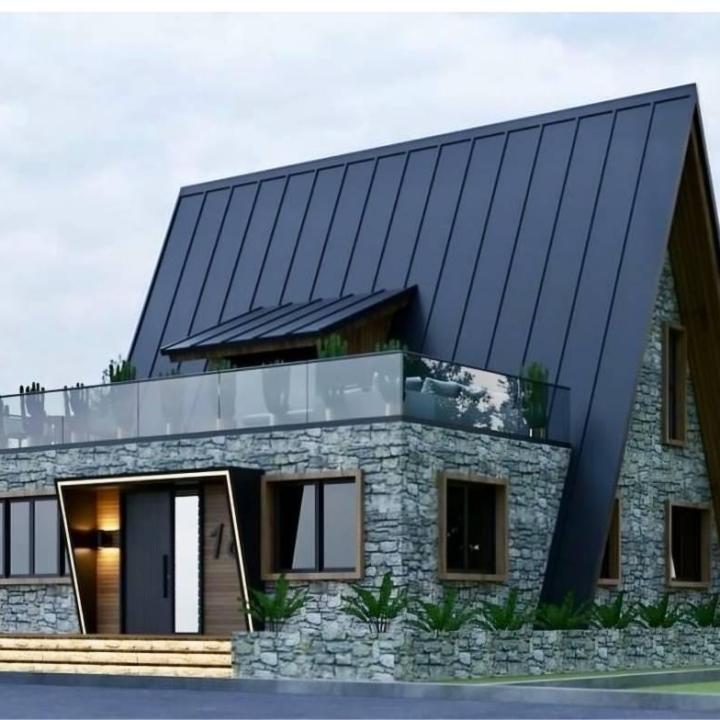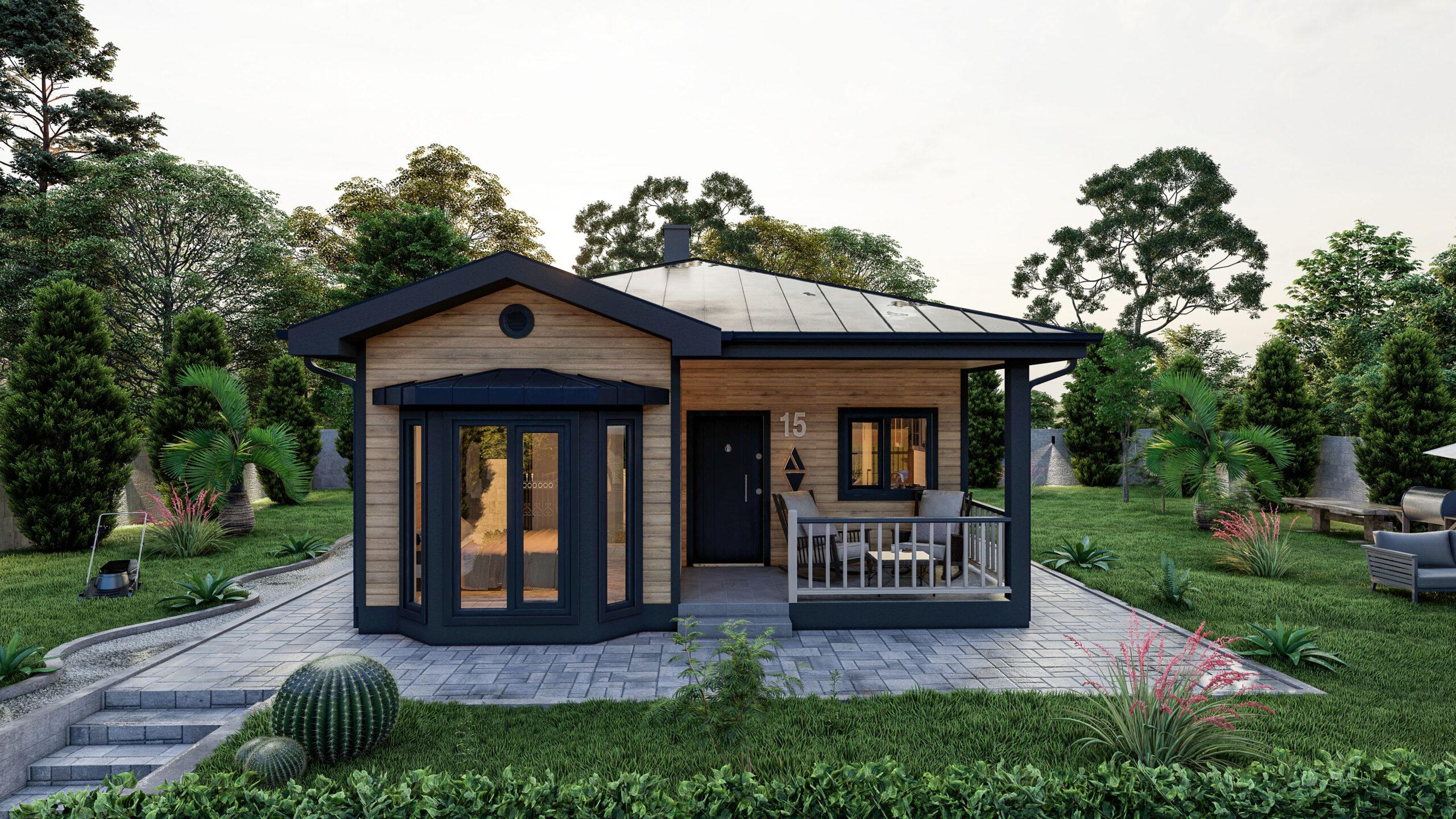
Soft House Plans A Frame Homes Prefab vs A Frame Home Plans
Soft House Plans: A Frame Homes Prefab vs A Frame Home Plans
Choosing between A Frame homes prefab and A Frame home plans is one of the most important early decisions in your home-building journey. Both paths lead to beautiful, functional structures—but they differ in design flexibility, construction process, cost, and long-term performance. This guide helps you compare these options side-by-side so you can pick the approach that best fits your lifestyle, budget, and site conditions.
Throughout the article, we highlight how Soft House Plans combines design adaptability with practical build guidance to help you avoid common pitfalls and create an A-frame home you’ll love living in.
What Does “Prefab A Frame Homes” Mean?
Prefab A Frame homes (or modular A-frames) are partially or fully built in a factory and then transported to the building site for assembly. Depending on the manufacturer, prefab A-frames may include:
- Pre-manufactured wall sections
- Roof panels
- Structural modules
- Window and door packages
- Some interior finishes
The goal is to reduce on-site labor, speed up construction timelines, and improve quality through factory precision.
What Are A Frame Home Plans?
A Frame home plans are detailed architectural and engineering documents that guide the construction of an A-frame structure from scratch. They include:
- Floor layouts
- Framing details (e.g., a frame house framing)
- Roof and structural specifications
- Material lists
- Electrical, plumbing, and HVAC layouts
- Energy and insulation notes
Home plans give you full control over design, materials, and customization.
Prefab A Frame Homes vs A Frame Home Plans: Side-by-Side
Feature | Prefab A Frame Homes | A Frame Home Plans |
Design Flexibility | Limited to manufacturer templates | Full customization |
Build Speed | Fastest (factory + assemble) | Moderate to long |
Cost Predictability | High (fixed packages) | Variable (you choose materials) |
Energy Performance Options | Basic to moderate | High (customized for climate) |
Material Control | Limited | Full |
On-Site Labor | Less | More |
Suitability for Complex Sites | Challenging | Ideal |
1. Design Flexibility: Custom vs Template
Prefab A Frame Homes
Prefab homes rely on approved manufacturing templates and standardized modules. This makes them quicker to produce but limits how far you can adjust room sizes, window placements, or structural upgrades.
A Frame Home Plans
With a frame home plans, you can customize almost every aspect of your design. Want larger windows facing a lake? Need a loft office? Planning future solar panels or extra insulation? Plans allow it.
✅ Winner (Flexibility): A Frame Home Plans
2. Construction Timeline and Build Process
Prefab A Frame Homes
Most of the work happens in a controlled factory environment, where labor, weather, and quality issues are minimized. Once modules arrive on site, assembly is much faster than traditional builds.
Typical prefab workflow:
- Factory fabrication
- Site preparation and foundation
- Delivery of modules
- On-site assembly and finishing
This often shortens timelines significantly.
A Frame Home Plans
When building from plans, you typically:
- Source materials locally
- Coordinate subcontractors
- Build framing and finish work on site
The result: a slower but more hands-on process.
✅ Winner (Speed): Prefab A Frame Homes
3. Cost Considerations
Prefab A Frame Homes
Prefab packages usually come with fixed pricing tiers, which helps with budget planning. However, premiums for transport, crane assembly, and optional upgrades can add up quickly.
A Frame Home Plans
Plans themselves are inexpensive, but total cost depends on choices you make:
- Material grades
- Insulation levels
- Window and door quality
- Labor rates
This gives you more control—and more variables to estimate carefully.
✅ Winner (Budget Control): A Frame Home Plans
4. Energy Performance and Climate Adaptation
Prefab A Frame Homes
Prefab packages may include basic insulation and performance options, but they’re often built to general standards, not site-specific conditions. This can leave gaps where energy upgrades are needed later.
A Frame Home Plans
With custom plans, you can:
- Specify insulation values (R-values) tailored to your climate
- Optimize window orientation for passive solar gain
- Integrate advanced HVAC or renewable systems
- Apply continuous thermal barriers along rafters
Soft House Plans emphasizes climate-adapted designs that support year-round comfort and lower utility costs.
✅ Winner (Energy Performance): A Frame Home Plans
5. Material Selection and Quality
Prefab A Frame Homes
Prefab builders choose standardized materials for consistency and speed. While quality is often good, options for premium upgrades or niche materials are limited.
A Frame Home Plans
You choose everything—framing lumber, fasteners, connectors, windows, finishes, and energy systems. This allows for higher quality and performance when selected intentionally.
✅ Winner (Material Control): A Frame Home Plans
6. On-Site Labor and Build Experience
Prefab A Frame Homes
With prefab modules, on-site construction becomes more like assembly. This can reduce labor costs and complexity—especially beneficial for first-time builders or remote sites.
A Frame Home Plans
Traditional builds require:
- Material staging
- Framing crews
- Subcontractor coordination
- Inspections and adjustments on site
This is more involved but offers valuable craftsmanship control.
✅ Winner (Ease of Build): Prefab A Frame Homes
When Prefab A Frame Homes Make Sense
Prefab A-frame homes are ideal if:
- You want the fastest build timeline
- Your site has easy access for transport equipment
- You want predictable pricing
- Your design needs are simple and standard
- You prefer lower on-site labor
Prefab is a great option for vacation homes, soon-to-be-rental units, or straightforward residential builds.
When A Frame Home Plans Are Better
A Frame home plans are best when:
- You need custom design solutions
- Your site has unique challenges (slopes, views, orientation)
- Energy efficiency and long-term performance matter
- You want full control over materials
- Future expansion or modifications are planned
Custom plans ensure your design works for your climate, lifestyle, and long-term goals.
Avoiding Common Misconceptions
Myth: Prefab A-frames are always cheaper.
Reality: Transport, crane costs, and limited designs can increase total cost.
Myth: Plans require professional builders only.
Reality: With clear documentation and correct planning, many DIY builders succeed.
Soft House Plans Tip: Hybrid Builds
Many builders use a hybrid approach:
- Start with custom A Frame home plans
- Incorporate pre-cut framing bundles
- Add prefab modules for bathrooms or mechanical cores
This balances speed with flexibility and long-term performance.
FAQ
1. What’s the main difference between prefab A-frames and home plans?
Prefab A-frames are factory-built modules; home plans are detailed blueprints for on-site construction.
2. Are prefab homes faster to build?
Yes. Factory production and on-site assembly often shorten timelines significantly.
3. Can custom plans be built DIY?
Yes—especially with clear documentation, planning, and skill alignment.
4. Do prefab homes have good energy performance?
They can, but they are usually built to general standards unless upgrades are specified.
5. Are A Frame plans more expensive?
Plans themselves are inexpensive; total cost depends on materials, labor, and design choices.
6. Can prefab and custom plans be combined?
Absolutely—hybrid builds often balance speed and customization.
Visual Ideas / Internal Anchors / External Sources
Visual Ideas
- Prefab vs Custom Chart – ALT: “Comparison of prefab A frame homes and custom A frame home plans”
- Modular A Frame Assembly – ALT: “Prefab A frame home modules being assembled on site”
- Custom A Frame Blueprint – ALT: “A frame home plans detailed architectural layout”
Internal Anchor Text Suggestions
- custom a frame home design plans
- energy-efficient A-frame layouts
- small lot A-frame house ideas
- A-frame framing guide
- foundation planning for A-frames
Suggested External Resource Types
- Modular construction best-practice guides
- Building code references for prefabricated homes
- Energy efficiency and insulation strategy manuals