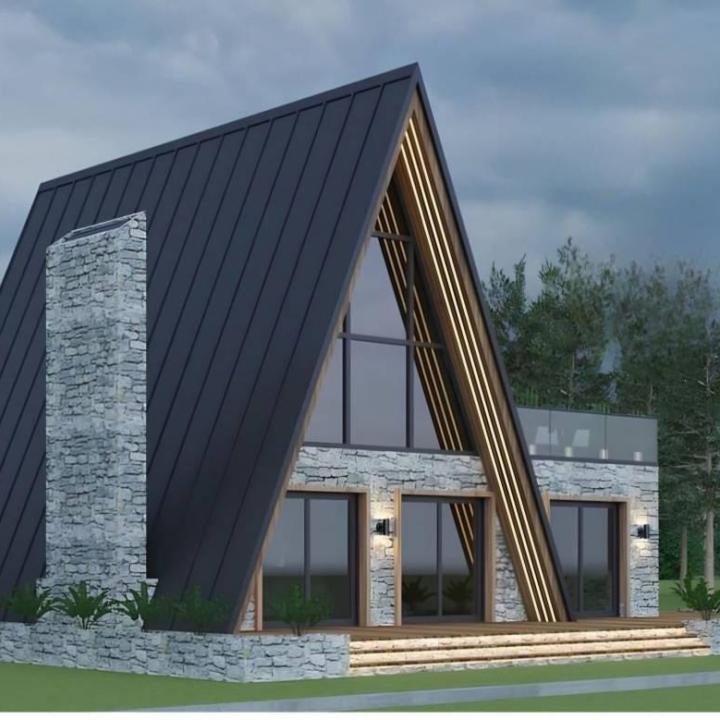
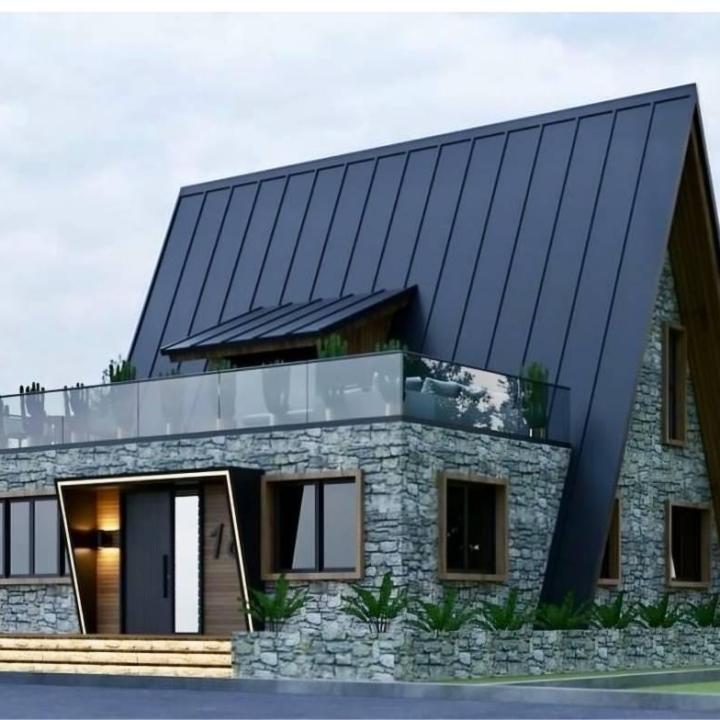
Soft House Plans A Frame Home Plans for Off-Grid Living
Soft House Plans: A Frame Home Plans for Off-Grid Living
Living off-grid is about independence, sustainability, and smart design—and A-frame home plans are a natural fit for this lifestyle. Their steep rooflines shed snow and rain efficiently, compact footprints reduce material use, and simple structural systems make them easier to build in remote locations. When combined with modern energy systems and thoughtful layouts, A-frames can become highly efficient, comfortable, and resilient off-grid homes.
This guide explores how Soft House Plans supports off-grid builders with practical A-frame designs, renewable energy integration, water solutions, and step-by-step planning tips to help you create a self-sufficient home that thrives beyond the grid.
Why A-Frame Homes Work for Off-Grid Living
Structural Simplicity
A-frames use a minimal number of primary components—rafters, ridge beams, and foundation anchors—making them ideal for transport and assembly in hard-to-reach areas. Many off-grid builders choose a frame cabin kits or modular framing packages to reduce on-site complexity.
Climate Performance
The triangular profile performs well in extreme weather:
Snow shedding in cold regions
Wind resistance in exposed sites
Rain runoff for water collection systems
Efficient Use of Space
Compact layouts minimize heating and cooling demands while lofts and multi-use rooms maximize interior utility.
Energy Systems for Off-Grid A-Frames
Solar Power Integration
The steep roof angles of a frame home design plans are perfect for solar panel placement. South-facing slopes (in the Northern Hemisphere) provide optimal exposure.
Tips:
Use adjustable racking for seasonal sun angles
Install battery storage for nighttime and cloudy days
Plan a dedicated mechanical room for inverters and controllers
Backup Power
Small wind turbines or propane generators can supplement solar systems during extended low-sun periods.
Water Collection and Management
Rainwater Harvesting
A-frame roofs naturally channel water into gutters, making them efficient for cistern systems.
System Components:
Roof diverters
First-flush filters
Storage tanks or underground cisterns
Gravity-fed plumbing lines
Greywater Recycling
Reusing sink and shower water for landscaping reduces total water demand and supports sustainable site design.
Insulation and Climate Control
Thermal Envelope Design
Continuous insulation along the roofline is critical for off-grid efficiency. Many builders combine rigid foam with spray insulation to eliminate thermal bridging.
Passive Heating and Cooling
Place large windows on the sun-facing gable
Use thermal mass flooring to store heat
Design cross-ventilation paths for summer cooling
These strategies lower energy use and improve year-round comfort.
Choosing the Right A-Frame Plan for Remote Sites
Custom Plans vs Kits
| Feature | Custom A Frame Plans | A Frame Home Kits |
|---|---|---|
| Site Adaptation | High | Medium |
| Build Speed | Medium | High |
| Energy Customization | High | Medium |
| Transport Efficiency | Medium | High |
| Long-Term Flexibility | High | Medium |
Custom plans allow full adaptation to terrain, solar orientation, and water access, while kits offer faster, more predictable construction.
Layout Tips for Off-Grid Living
Multi-Functional Spaces
Combine kitchen, dining, and living areas to reduce square footage and energy needs.
Loft Living
Lofts add sleeping or storage space without expanding the foundation footprint—ideal for a frame tiny house designs.
Utility Zones
Designate a compact area for batteries, pumps, and control systems to simplify maintenance.
Common Off-Grid Challenges and Solutions
Limited Material Access
Solution: Prefabricated framing components or a frame kit cabin packages reduce the number of deliveries.
Energy Storage Constraints
Solution: Use modular battery systems that can expand over time.
Permitting in Rural Areas
Solution: Work with local authorities early to confirm zoning, septic, and water use regulations.
Budget Planning for Off-Grid A-Frames
Cost Factors to Consider
Solar and battery systems
Water storage and filtration
Transportation of materials
Specialized labor for renewable installations
Savings Strategies
Phase construction in stages
Use local materials where possible
Choose energy-efficient appliances to reduce system size
Soft House Plans Approach to Off-Grid Design
Soft House Plans emphasizes site-first design, meaning every A-frame layout is developed with solar orientation, climate zone, and access logistics in mind. This ensures your home performs efficiently from day one—whether you’re building in the mountains, forest, or desert.
Step-by-Step Off-Grid Build Roadmap
Site Evaluation: Assess sun exposure, wind patterns, and water sources
Plan Selection: Choose or customize a frame home plans
System Design: Size solar, water, and waste systems
Permitting: Secure local approvals
Foundation & Framing: Build structural shell
System Installation: Add energy and water systems
Interior Finish: Complete insulation, finishes, and fixtures
Testing: Verify power, water, and ventilation performance
Final Thoughts
Off-grid living doesn’t mean sacrificing comfort or design. With well-planned A-frame home plans, you can create a sustainable, efficient, and beautiful home that operates independently while blending seamlessly into its natural surroundings.
Soft House Plans provides the tools, layouts, and guidance to help you move confidently from concept to self-sufficient living—one smart design choice at a time.
FAQ
1. Are A-frame homes good for solar power?
Yes. Their steep roof angles and simple geometry make solar panel installation efficient and effective.
2. Can I build an off-grid A-frame in cold climates?
Absolutely. With proper insulation and passive heating strategies, A-frames perform very well in cold regions.
3. Do I need a custom plan for off-grid living?
While kits can work, custom plans allow better adaptation to site-specific energy, water, and zoning requirements.
4. How much battery storage do I need?
This depends on your energy usage and climate, but most off-grid homes plan for 2–3 days of backup capacity.
5. What’s the best foundation type for remote A-frames?
Pier and post or slab foundations are common due to lower material and transport needs.